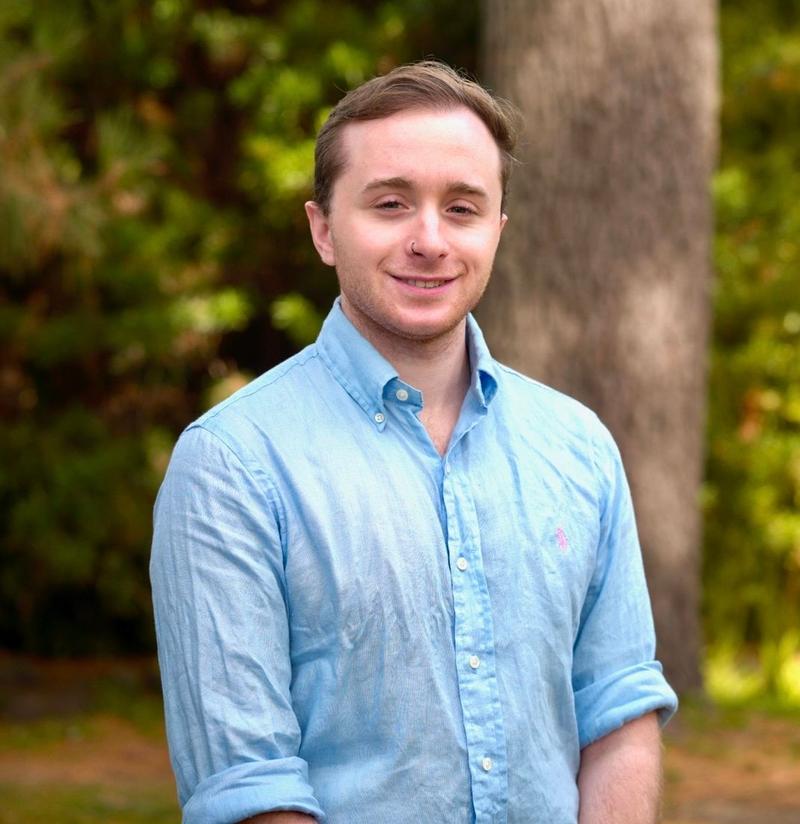
“I want to see people be able to go to a job, feel safe, comfortable, that they’re going to be able to come back to their families.”
Luke said union membership had shown him how workers could raise concerns collectively and negotiate with management.
In his experience, access to union delegates helped employees bring issues before senior decision-makers, rather than face workplace problems alone.
A 35-hour week, but questions about implementation
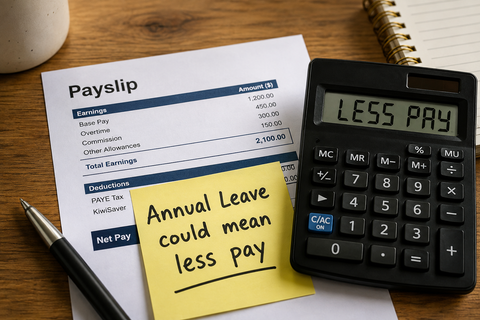
Alliance is campaigning for a 35-hour working week with no loss of pay and five weeks of annual leave.
Its published employment policy also proposes stronger worker participation in workplace decisions, including work councils in businesses employing more than 50 people and elected worker directors in enterprises with more than 250 employees.
Asked how smaller businesses would meet the cost of shorter hours, Luke pointed to the party’s proposed wealth and capital gains taxes.
However, he acknowledged that detailed economic questions were outside his main area of expertise and deferred to the party’s finance spokesperson.
The interview did not establish how any subsidy would operate, which employers would qualify or how the transition would be funded.
The distinction matters for employers and workers: a shorter week without reduced pay is a clear objective, but its practical effects would depend on the implementation arrangements.
Cost of living dominates local conversations
Luke said household finances were the issue most consistently raised by people he had spoken to in Selwyn.
He described concerns about supermarket bills, rent, mortgages and the difficulty of buying a first home.
For younger workers, he said, the worry was that one full-time job no longer felt sufficient to achieve a stable life.
Asked what Alliance would prioritise for households, he highlighted its proposal to make the first $20,000 of annual income tax-free.
The party’s published tax package combines that threshold with changes to income tax rates and proposed taxes on wealth, realised capital gains and financial transactions.
Alliance estimates that a worker earning $65,000 would retain an additional $2,408 annually under its proposed income tax scale. That is the party’s calculation, rather than an independently assessed outcome.
Luke also supported healthcare free at the point of use, arguing that illness should not create another financial burden for working families.
Selwyn’s growth needs infrastructure to match
Luke said housing development in Selwyn was moving faster than the infrastructure needed to support it.
His concerns included roads, transport connections and the services required by expanding communities.
He argued that housing and infrastructure should be planned together, rather than treating the construction of more homes as sufficient on its own.
During the interview, he repeatedly opposed fast-tracked housing development where supporting infrastructure could not keep pace.
However, he did not identify a particular development or approval that he would seek to stop.
His position was that the pace of growth needed to reflect the capacity of local services, alongside the interests of developers.
Rail connections beyond Rolleston
Luke backed an electrified public rail system connecting communities with Christchurch and with one another.
He said transport planning should include smaller and rural communities, rather than focus only on Rolleston’s expansion.
Residents travelling to the University of Canterbury or Ara, he said, wanted quicker and more affordable ways to reach the city.
Drawing on his own experience, Luke said buses provided a service but did not always offer the efficiency passengers needed.
Better connections could also make living outside the main centres more practical for people unable to rely on a car.
No route, construction timetable or project costing was set out in the interview. His comments described the direction he wanted transport policy to take.
What socialism means to him
Asked to explain his political outlook in everyday terms, Luke focused on public ownership.
He said essential assets and services, including electricity, water and infrastructure, should be under public control rather than partially or fully controlled by private interests.
For him, Alliance’s purpose was to represent working people and pursue a more equal New Zealand.
He also expressed respect for Green Party politicians and named Chlöe Swarbrick as someone who had inspired his interest in politics.
Despite political disagreements, Luke said he wanted to avoid personal hostility and believed people could find common ground.
A worker’s voice in Parliament
Luke said his ambitions included full employment, progress towards eliminating poverty, stronger infrastructure and fair treatment at work.
Those were goals he would work towards, rather than outcomes he could guarantee within a parliamentary term.
Outside politics, he enjoys combat sports, prefers cooking at home and said a free Sunday would ideally include a trip to the beach.
His closing message returned to the theme that ran through the interview: people should have a fair chance to support themselves and their families.
“We need to ensure that people who are working are coming home safe and sound.”
Sources: Webfit News interview with Jesse Luke; Alliance Party candidate information, employment policy and tax policy.