Music, dance, tradition and a strong community presence marked the Bihar Jharkhand Association of New Zealand’s Diwali celebration in Panmure.
By Webfit News Community Desk | 23 November 2026
There was colour on the stage, children waiting excitedly for their turn to perform, community leaders catching up between photographs, and families settling in for an evening that felt as much like a reunion as a cultural programme.
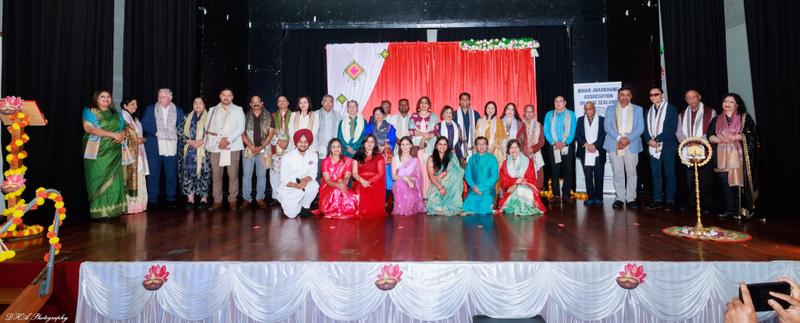
The Bihar Jharkhand Association of New Zealand brought its Deep Aastha aur Sanskriti Mahotsav to Panmure Community Hall on Saturday, 21 November, drawing together families, performers, community representatives and invited guests for a Diwali celebration centred on faith, culture and connection.
The evening began traditionally, with a welcome from Shalini Alok and an opening address from BJANZ President Amit Shankar Verma.
The association’s executive team includes community members such as Rani Singh, Shalini Alok, Kiran Singh and Indu Ajitesh, who were also involved in the evening’s proceedings.
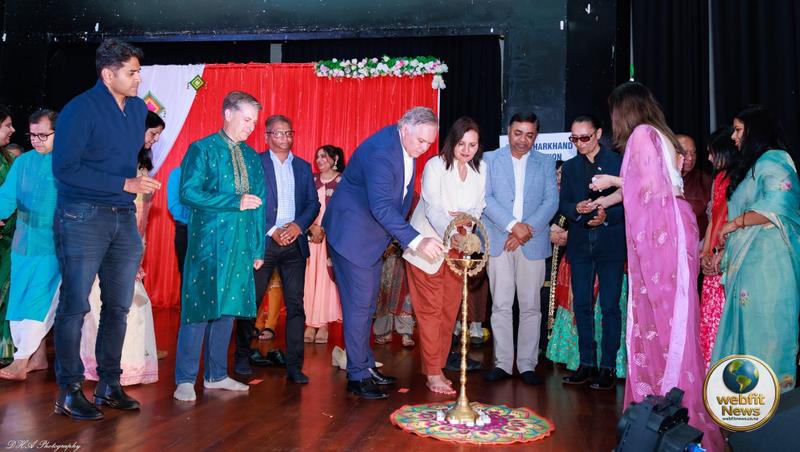
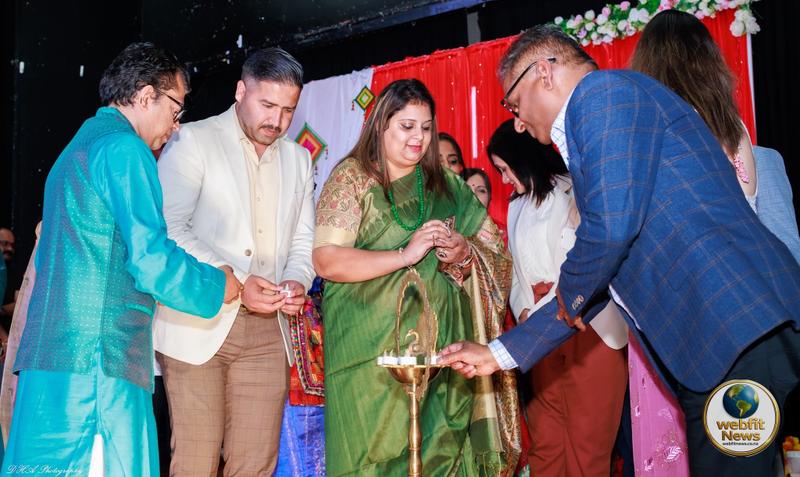
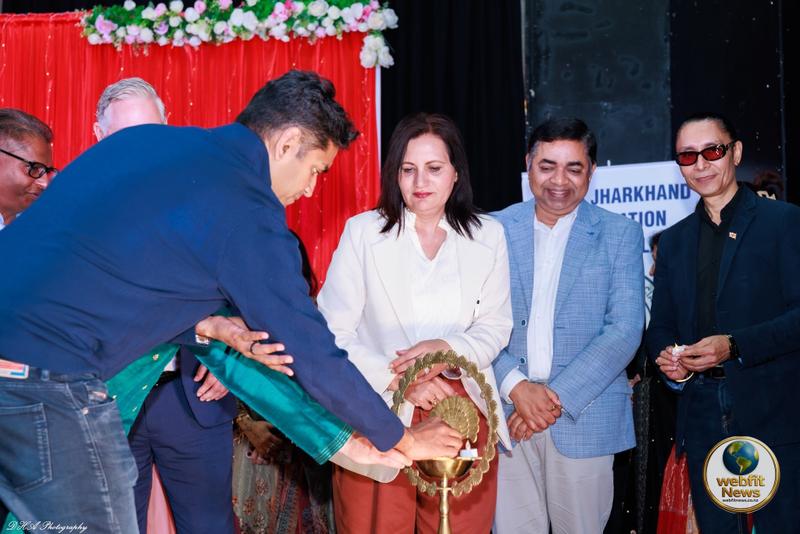
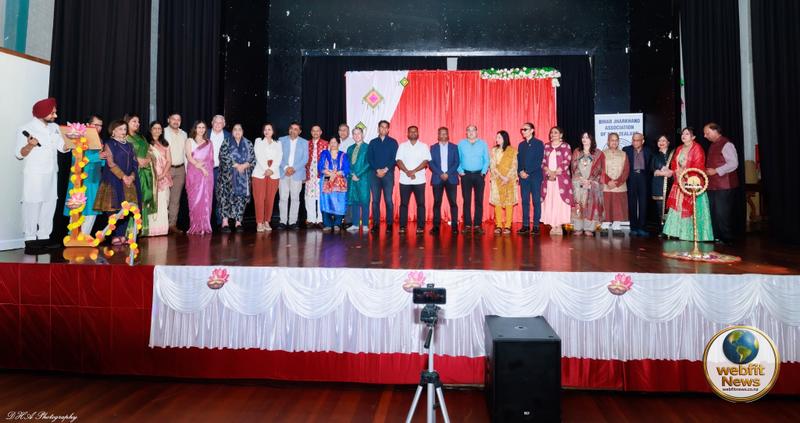
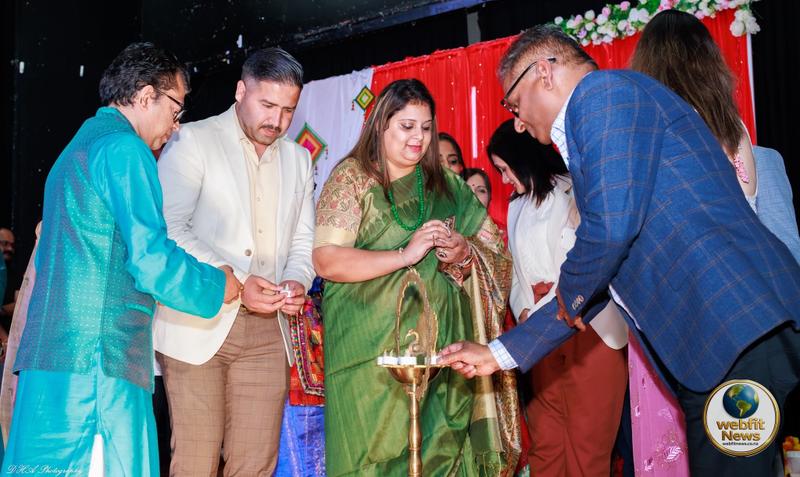
A Saraswati Vandana by young performers from Padma’s School followed, before invited guests and BJANZ committee members joined in the ceremonial lighting of the diya.
It set the mood for what followed.
Not an overly formal function, but an evening where tradition, performance and community recognition sat comfortably alongside one another.
A strong community presence
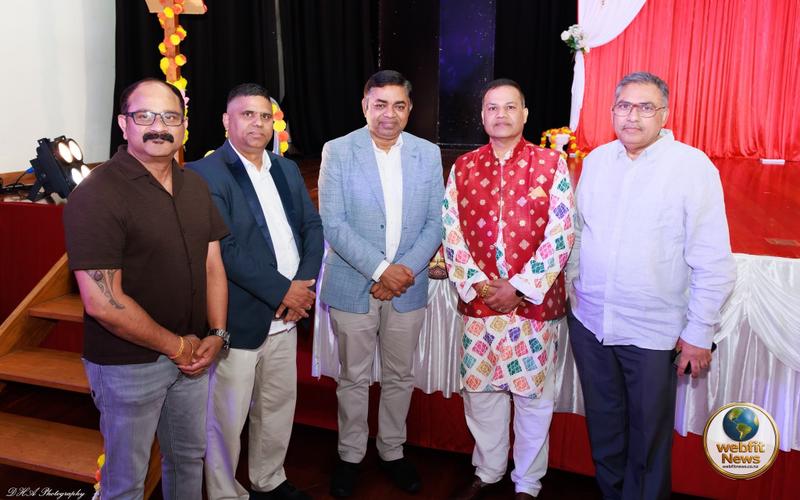
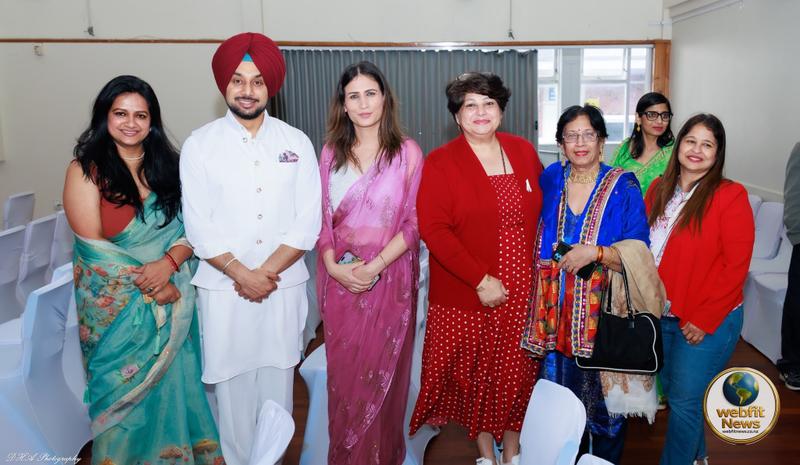
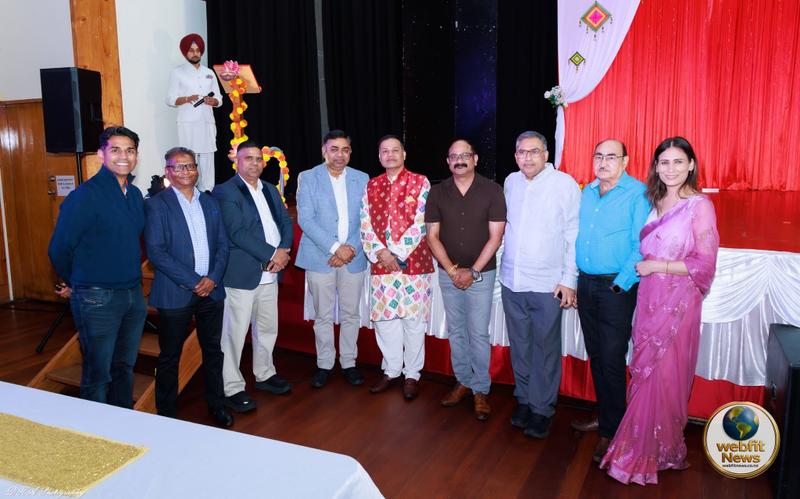
A significant part of the evening was the presence of leaders and representatives from across Auckland’s wider community.
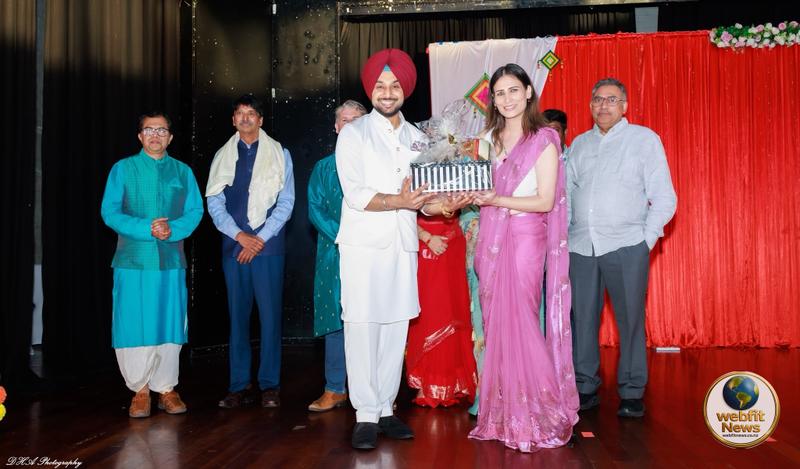
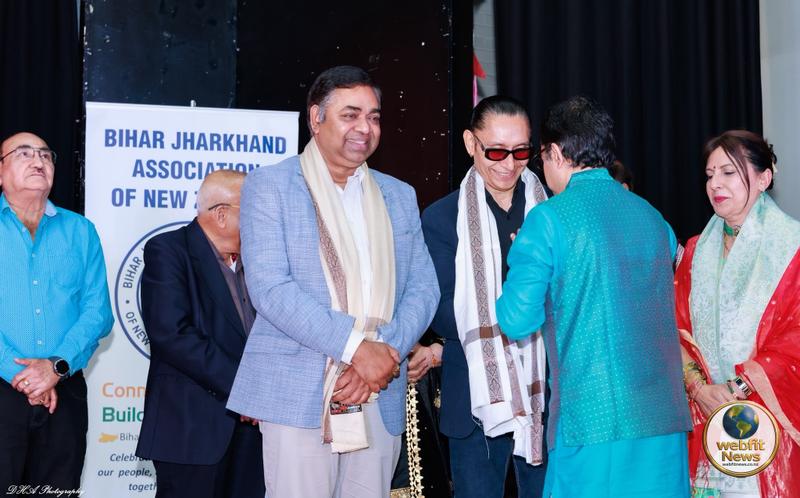
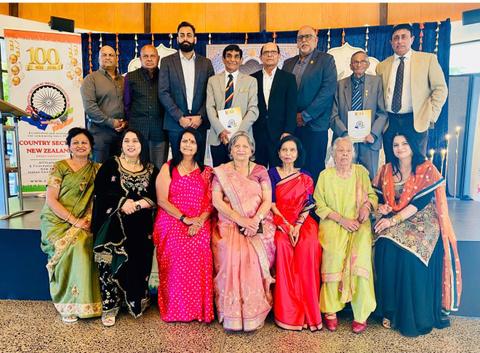
BJANZ formally recognised a number of invited guests with traditional shawls during a felicitation ceremony.
Those listed in the programme included Dr Madan Mohan Sethi, Swagatika Mohanty, Hon Mark Mitchell, Mahesh Murlidhar, Michael Wood, Dr Parmjeet Parmar, Dr Jagjit Singh, Lalit Arya, Sunil Kumar, Dame Ranjana Patel, Venkat Raman, Shrikanth Bhave and Narendra Bhana.
The guest list was impressive, but the real strength of the evening was not simply who was in the room.
It was how comfortably everyone mixed.
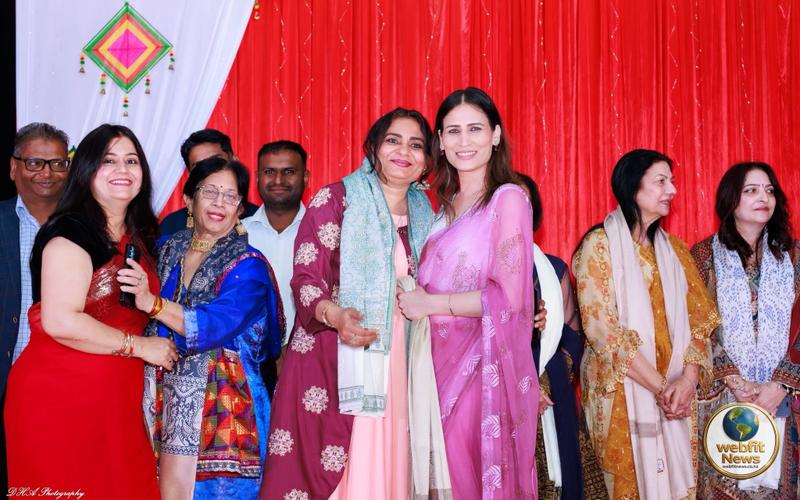
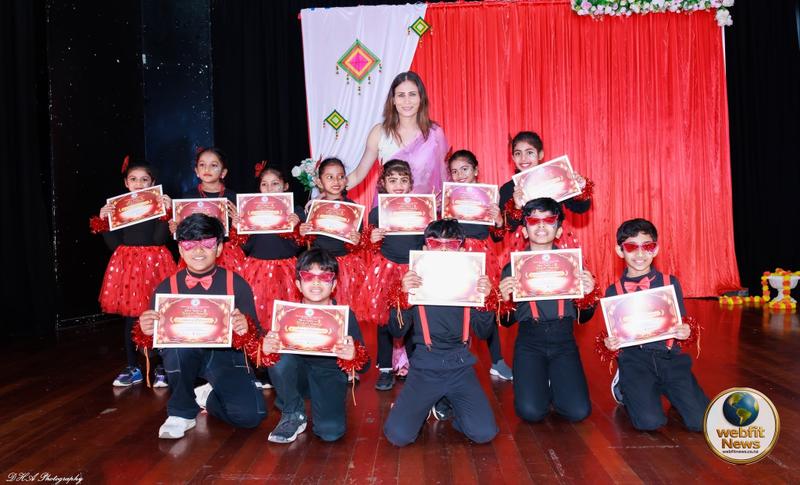
Community leaders stood alongside volunteers. Children posed for photographs with their certificates. Families moved between the audience and the stage. Guests from different cultural and professional backgrounds shared the same celebration.
That gave the event a warmth that is difficult to manufacture.
Children take centre stage
Some of the evening’s most engaging moments came from the young performers.
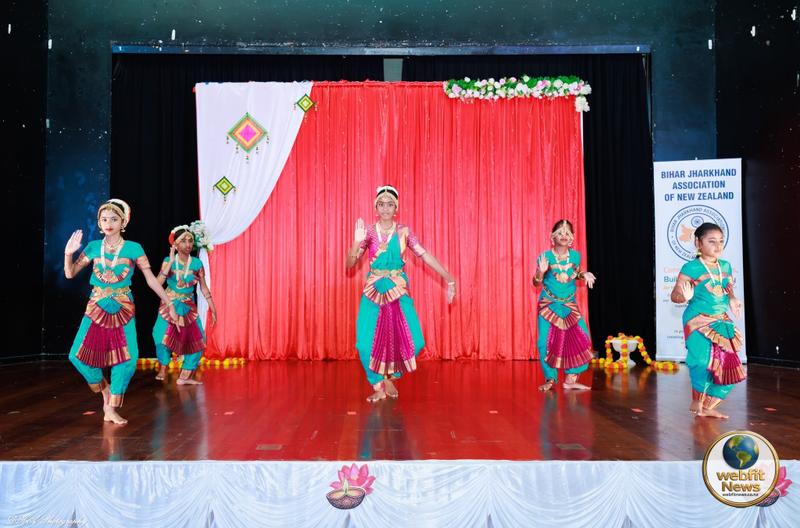
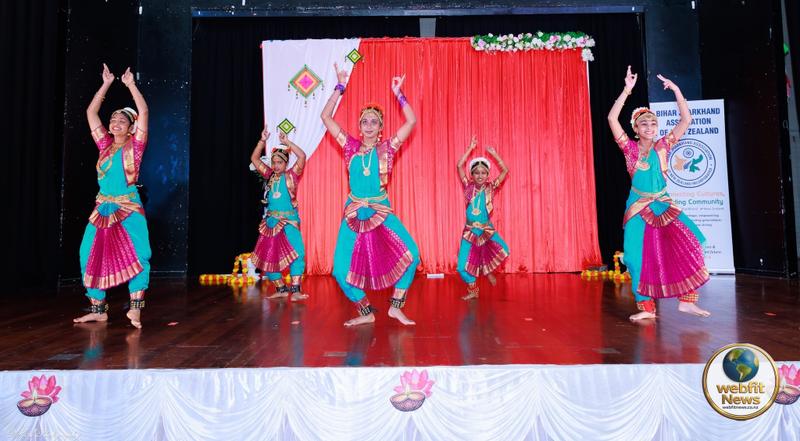
After the opening Saraswati Vandana, the programme moved through a lively mix of dance and music, including performances by Little Tarang and Bollywood Tadka, Punjabi folk dance, an Alaripu classical dance piece, a group performance by Ella Kumar and a solo by Kiara Sahu.
Musical performances from Dharmesh Jee and Ashish Dave added variety to the programme.
For parents in the audience, however, the performances were about more than entertainment.
Many of the children taking the stage are growing up in New Zealand.
Seeing them perform Indian classical, devotional and folk traditions thousands of kilometres from where those traditions began carried its own significance.
That is often the quiet achievement of community events like this.
Culture is not simply talked about.
It is passed on.
A child learns the steps.
Another learns the music.
Parents help with costumes.
Teachers rehearse for weeks.
Then, for a few minutes on stage, an old tradition becomes part of a new generation’s life in Auckland.
Bihar and Jharkhand roots, but a wider Auckland gathering
The Bihar Jharkhand Association of New Zealand was established to preserve the cultural identity of people from Bihar and Jharkhand while also building a wider support network for families living in New Zealand.
President Amit Shankar Verma leads the association, which describes its work around cultural preservation, youth engagement, community connection, migrant support and participation in New Zealand’s multicultural society.
Saturday’s gathering reflected that broader outlook.
The event clearly carried the identity of Bihar and Jharkhand, but it did not feel closed around that identity.
People from different parts of India and different sections of Auckland’s community were part of the evening.
That distinction matters.
The strongest cultural organisations are often those that remain proud of where they come from while being confident enough to open the door to everyone else.
Deep Aastha aur Sanskriti Mahotsav felt very much like that kind of gathering.
Recognising those who help make it happen
Community events of this size rarely happen because of one committee or one sponsor.
There are weeks of calls, rehearsals, venue arrangements, stage planning, food preparation, volunteer coordination and last-minute problem solving that the audience never sees.
The evening also acknowledged the businesses that supported the event.
Sponsors recognised during the programme included Bank of Baroda, Malabar Gold, KHL Finance, Barfoot & Thompson, Namaste Indian Supermarket, iNNovest, Shivani Restaurant and Ray White representatives Fatima Rahman and Jasveen Singh.
The programme later included a Malabar Gold voucher draw and recognition of Step Up Challenge winners before the formal proceedings concluded with a vote of thanks and dinner.
More than another date on the Diwali calendar
Auckland now hosts a large number of Diwali celebrations each year.
Some attract thousands of visitors. Others are neighbourhood gatherings. Some are built around food and entertainment, while others retain a stronger religious or cultural focus.
There is room for all of them.
What gave Saturday’s event its character was the balance.
There were dignitaries, but they did not overpower the evening.
There were sponsors, but the programme did not become a commercial showcase.
There were traditional elements, but the celebration did not feel rigid.
Most importantly, children and families remained at the centre.
That is probably why the room felt less like an organised function and more like a community spending an evening together.
Keeping a connection alive
For migrant families, festivals often change once home is several thousand kilometres away.
You may no longer celebrate with the same neighbourhood, the same relatives or the same rituals you grew up with.
Instead, new traditions are created.
A community hall becomes the meeting place.
Friends become extended family.
Children learn dances their parents once watched back home.
And people from different parts of India find common ground in celebrations that once might have felt distinctly regional.
That was visible in Panmure on Saturday.
Deep Aastha aur Sanskriti Mahotsav was a celebration of Diwali, but beneath the lights, music and photographs was something simpler.
A community making sure its traditions remain visible.
Not only for the generation that brought them to New Zealand, but for the generation growing up here.
And perhaps that was the strongest image of the evening: children standing on an Auckland stage, certificates in hand, surrounded by families and community members who had gathered to celebrate where they came from and where they now belong.
For a few hours in Panmure, Bihar and Jharkhand did not feel quite so far away.