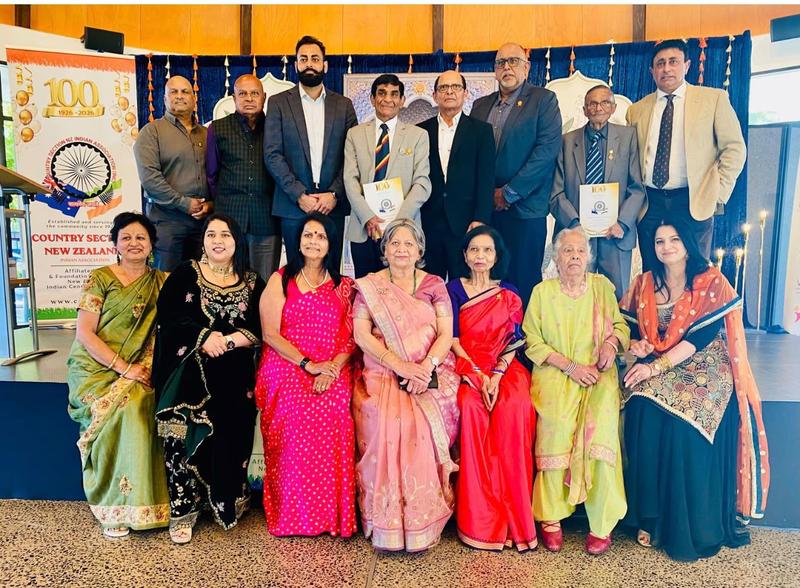
Founded in Taumarunui in 1926, the Country Section New Zealand Indian Association has witnessed a century of change. Its centennial celebration in Hamilton honoured the pioneers who stood together against discrimination, the families who carried their legacy forward and a community determined to preserve its history.
By Webfit News | Community & Heritage | 26 October 2026
HAMILTON: A hundred years ago, a small group of Indian settlers in New Zealand came together because they needed something many people take for granted today: a collective voice.
They were farmers, workers, shopkeepers and families trying to establish their place in a country where discrimination and restrictive policies made life difficult.
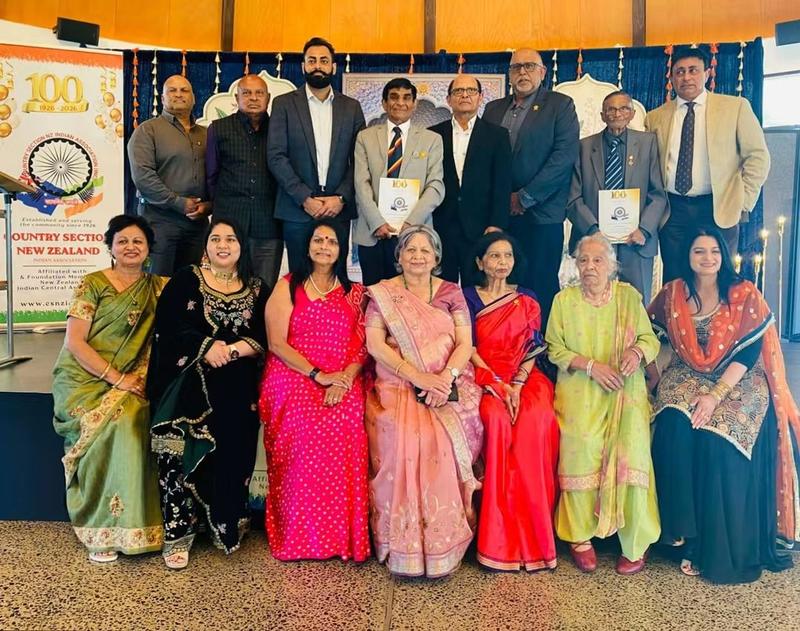
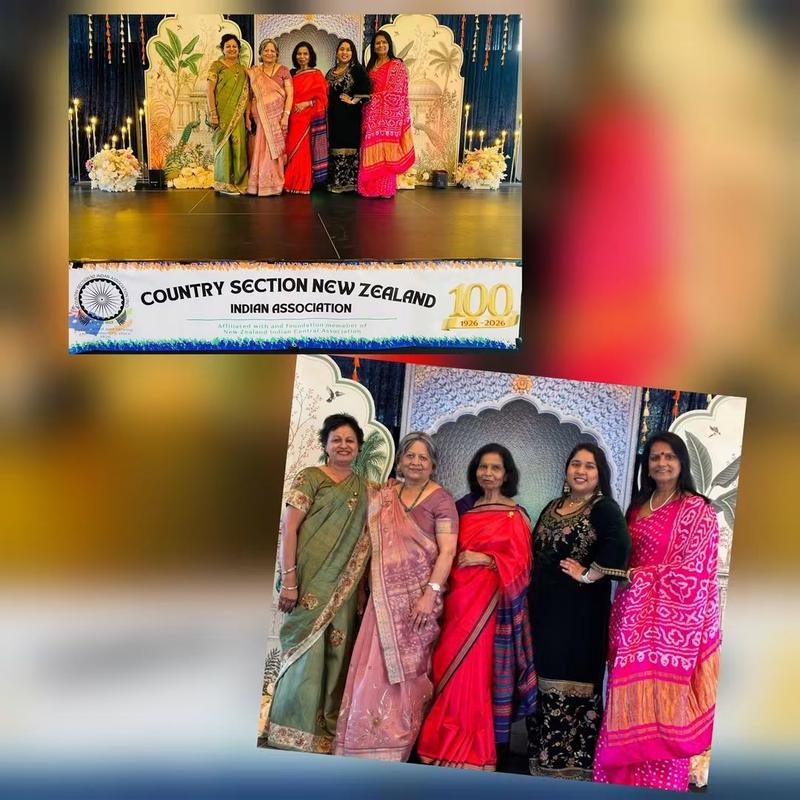
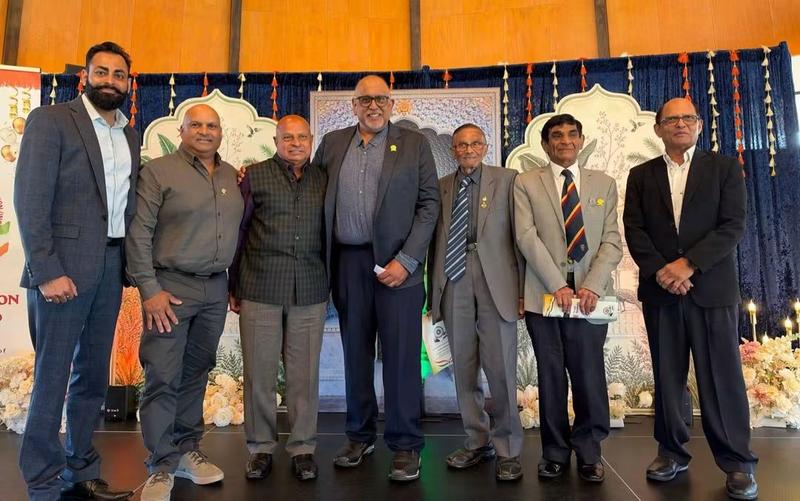
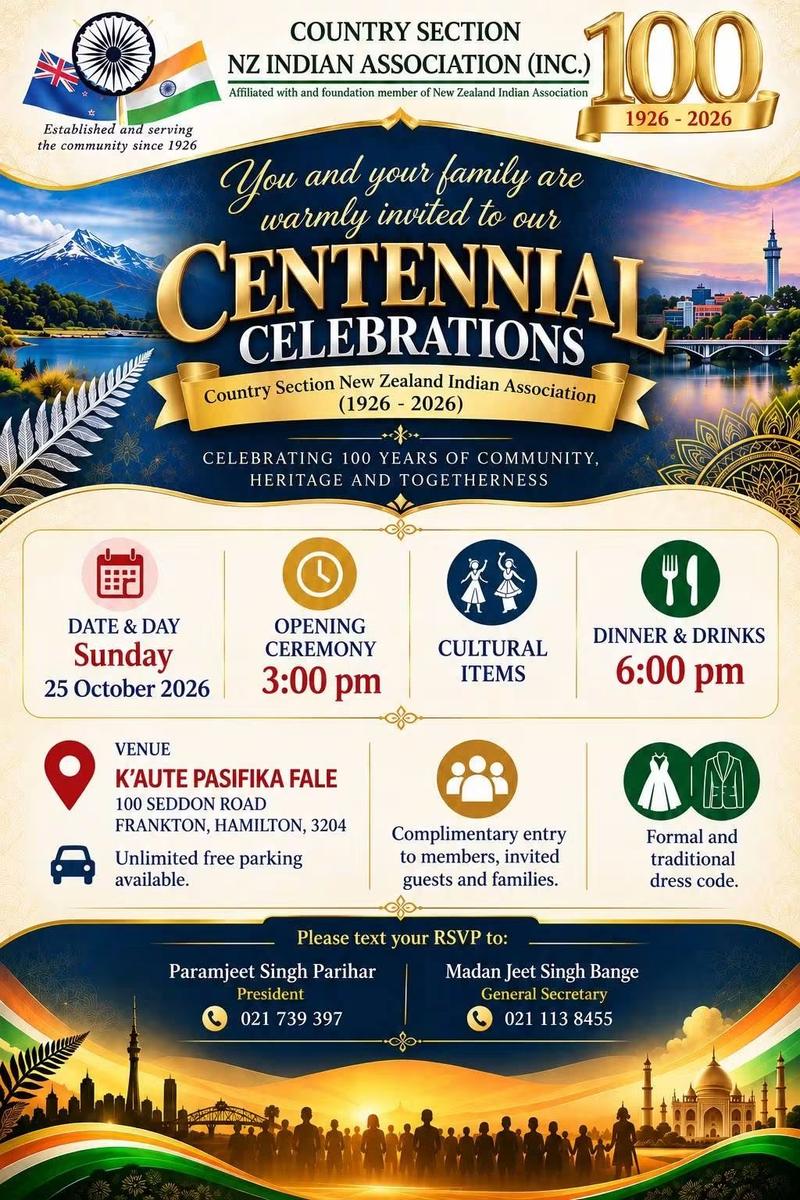
On Sunday, 25 October 2026, their legacy was celebrated in Hamilton as the Country Section New Zealand Indian Association (CSNZIA) marked its centenary.
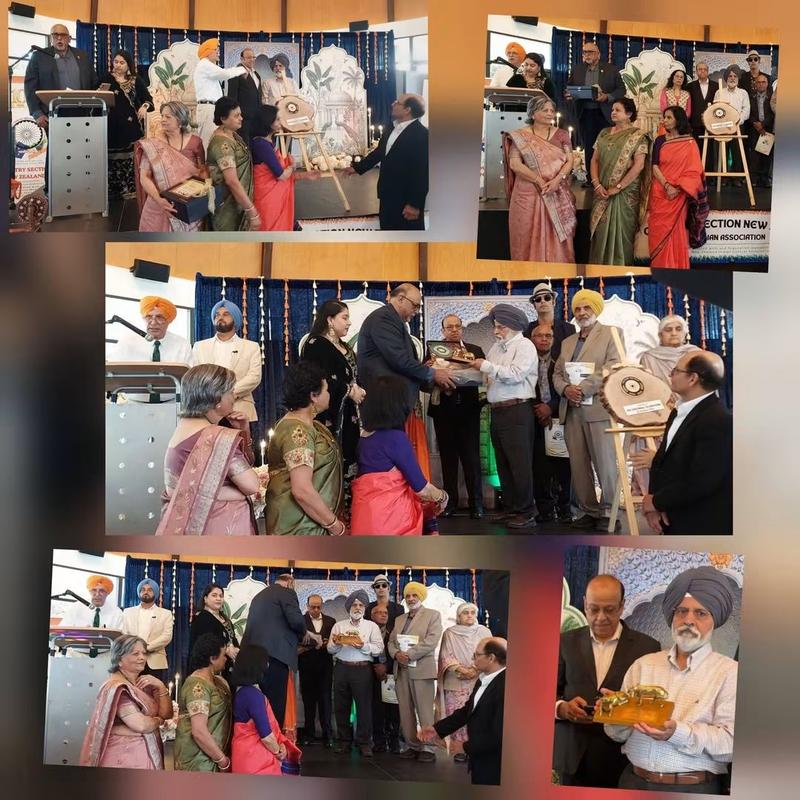
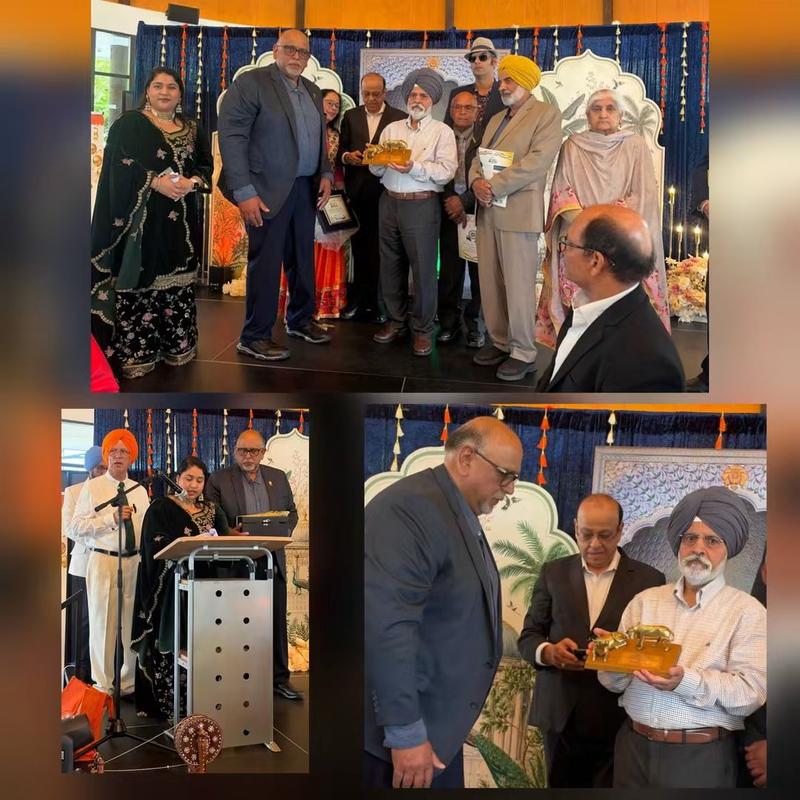
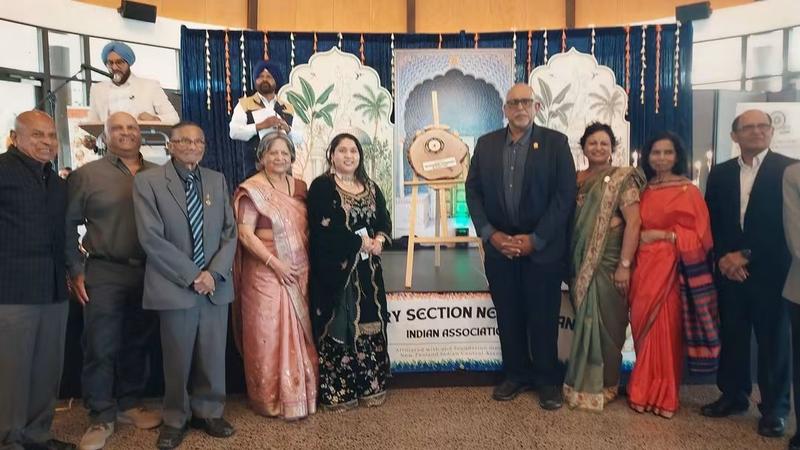
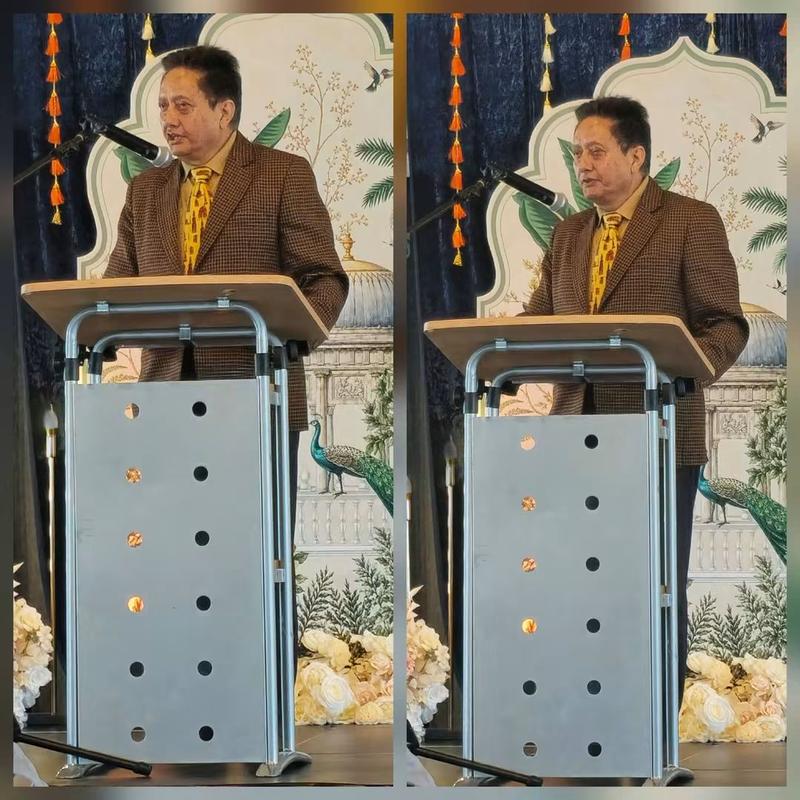
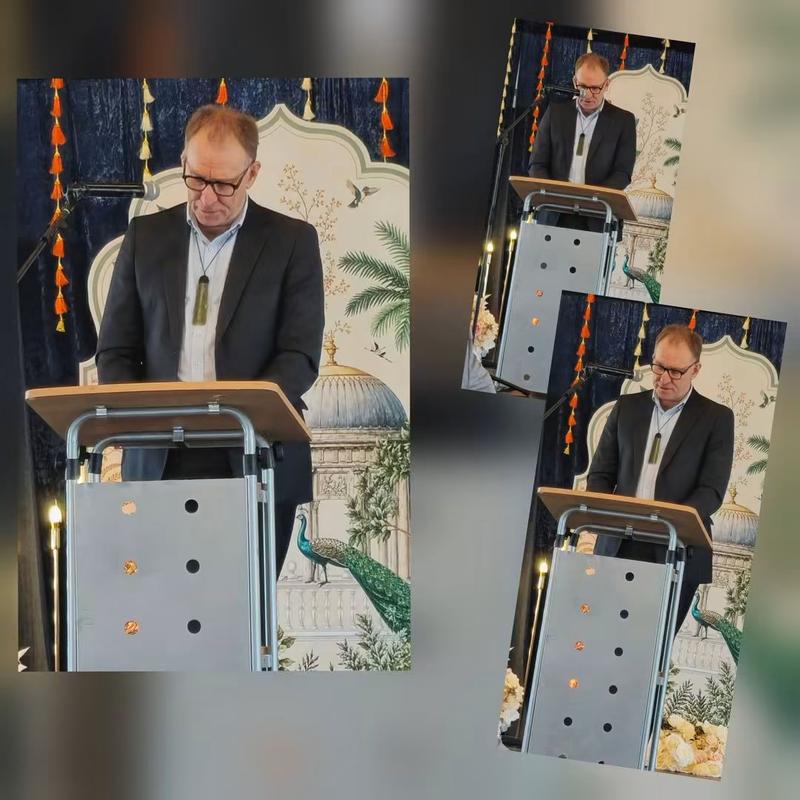
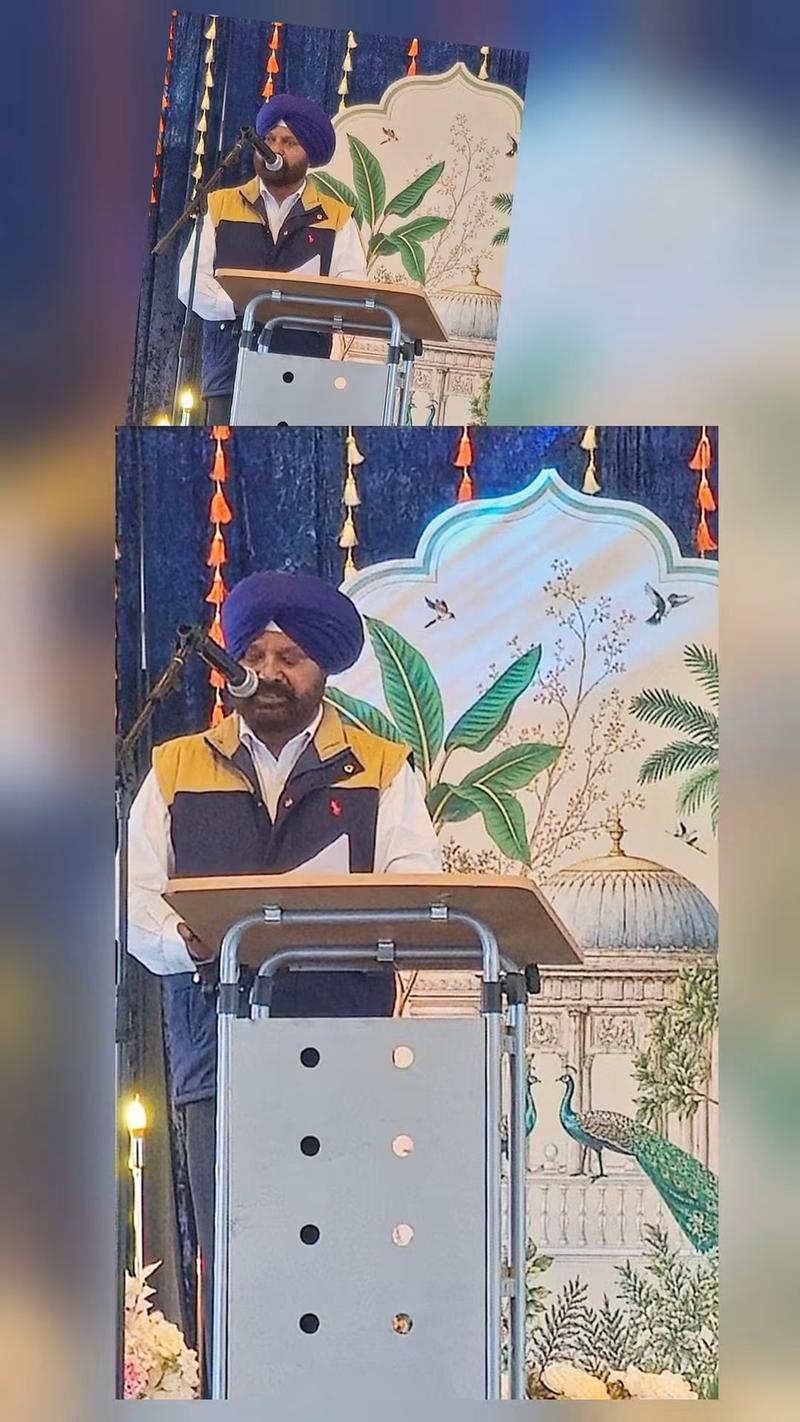
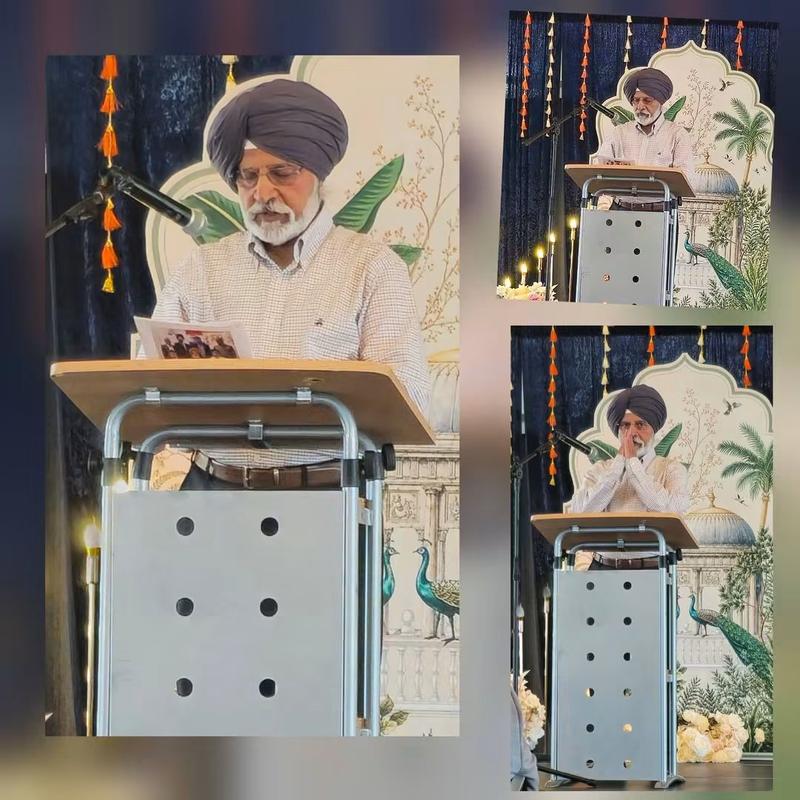
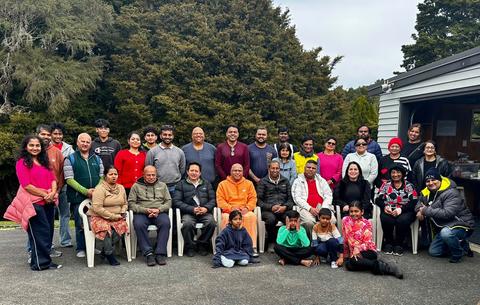
Held at K'aute Pasifika Fale in Frankton, the celebration brought together community leaders, families, representatives of Indian associations and invited guests for an afternoon and evening of remembrance, cultural performances and recognition.
But this was more than an anniversary gathering.
It was a reminder that much of the Indian community's place in modern New Zealand was built through the determination of earlier generations who refused to remain silent.
It Began in Taumarunui, Not in a Big City
The association traces its origins to 17 April 1926, when Indian settlers gathered in Taumarunui to establish what became the Country Section organisation.
According to its centennial historical booklet, Jagat Ram Kapoor, a sawmill worker and storekeeper, was elected the first president.
Other early office-bearers included Inder Singh Randhawa as secretary, Banta Ram Singh as vice-president and Karam Singh Bassi as treasurer.
The association was formed at a time when Indian migrants were scattered across rural communities, often working in agriculture and other physically demanding occupations.
Many were Punjabi settlers living far from the larger Indian communities in Auckland and Wellington.
Distance made organising difficult. Discrimination made it necessary.
The centennial booklet records that concerns about the White New Zealand League and discriminatory treatment of Indians were raised at the association's earliest meetings.
The organisation subsequently became part of a wider effort to establish a united Indian voice across the country.
That history is supported by the New Zealand Indian Central Association (NZICA), which identifies Country Section, Auckland and Wellington as its three founding branches in 1926.
The central association was established to challenge discriminatory immigration policies, counter misinformation and advocate for the welfare and rights of Indian residents. <Cite refs={["turn511958search0","turn511958search6"]}/>
Why the Association Mattered
Today, Indian culture is visible across New Zealand through festivals, businesses, community organisations, sport and public life.
A century ago, the situation was very different.
Indian migrants faced restrictive immigration rules, social prejudice and organised hostility.
The Governor-General's historical account of NZICA notes that immigration legislation introduced in 1899 and 1920 imposed significant barriers on migrants.
The association's formation was therefore about much more than cultural activities.
It was about representation, fair treatment and the ability to build a future in New Zealand.
Te Ara, the Encyclopedia of New Zealand, also records how Indian associations emerged to confront discrimination and protect community interests. <Cite refs={["turn511958search6","turn511958search7"]}/>
For the founders of Country Section, unity was a practical necessity.
Their descendants inherited not only an organisation but also a tradition of service and collective responsibility.
An Emotional Tribute From the Master of Ceremonies
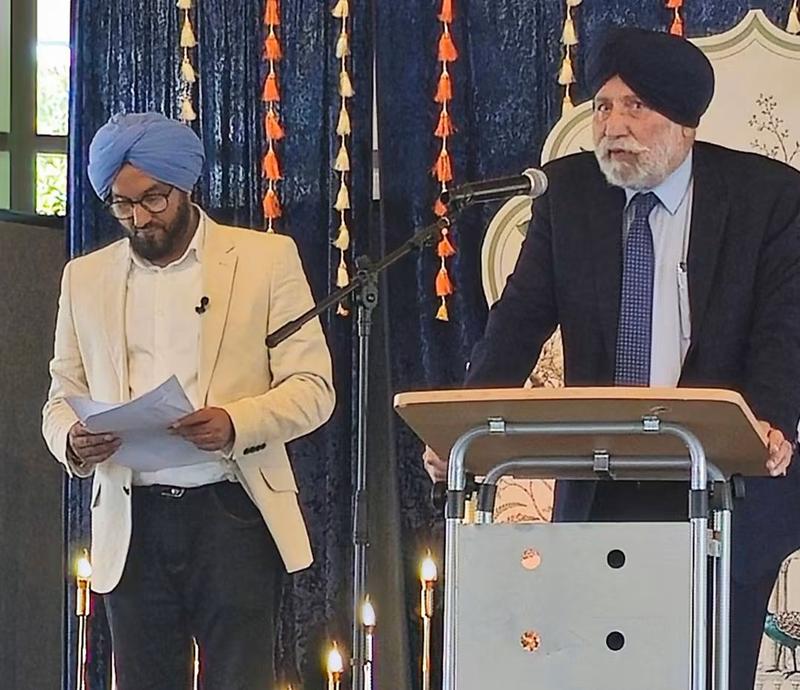
One of the most moving moments of Sunday's celebration came from master of ceremonies Navtej Singh Randhawa.
According to a Facebook account of the event shared by Hansa Naran, Randhawa had lost his father just one day before the centennial gathering.
Despite his personal loss, he took to the stage to lead the programme.
He dedicated the evening's celebrations to his late father, acknowledging his family's long association with the organisation.
It was an especially poignant moment during an event devoted to remembering the sacrifices and contributions of earlier generations.
Through video presentations and storytelling, Randhawa helped trace the association's journey from its beginnings in 1926 to its present-day role.
The tribute gave the centenary a deeply personal dimension.
For many families, the association's history is not simply something preserved in documents.
It is part of their own family story.
Hamilton Celebrates a Century of Community Service
The programme brought together cultural performances, formal acknowledgements and presentations recognising the association's history.
Four dance groups representing different Indian cultural traditions performed during the celebration, according to the event account.
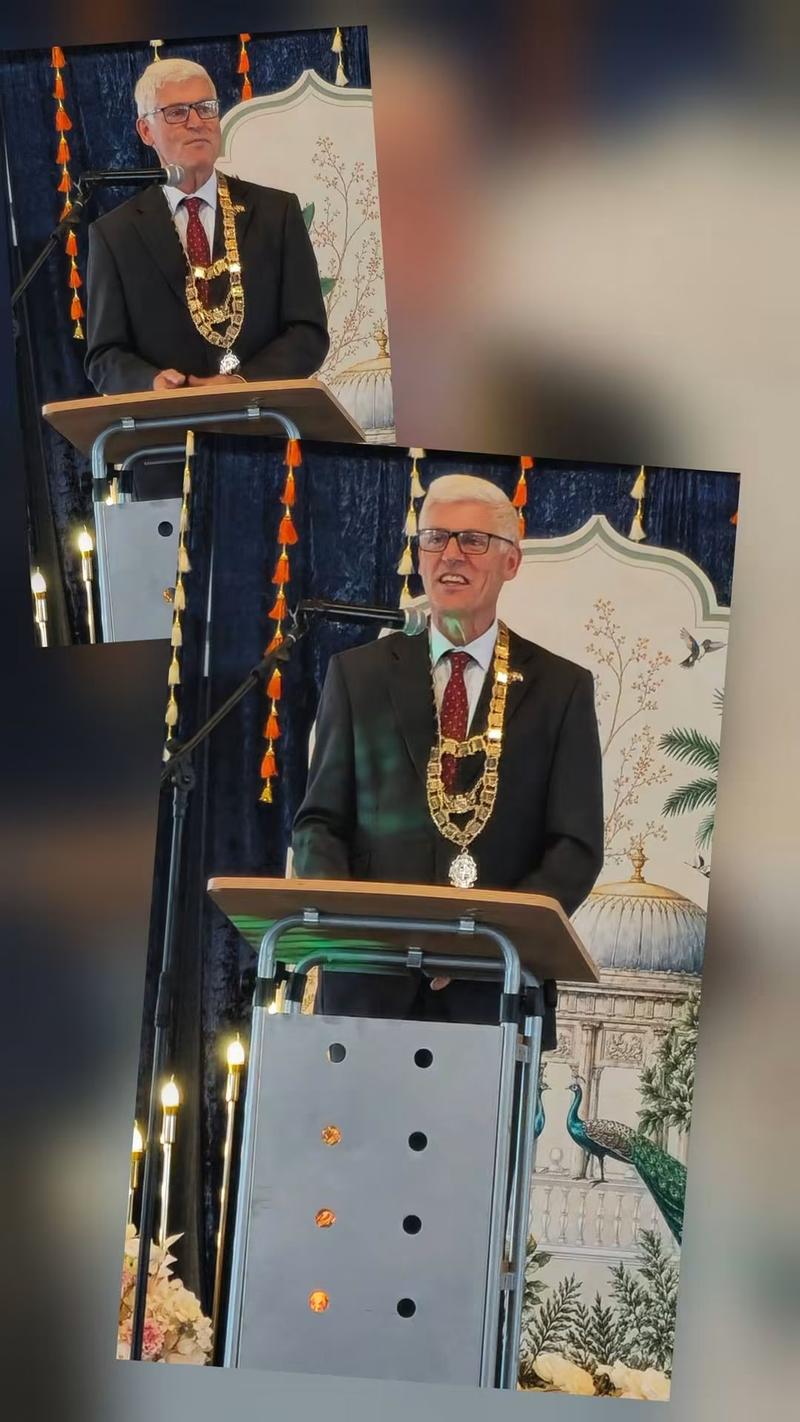
Among the guests identified were Hamilton Mayor Tim Macindoe, Trust Waikato chief executive Dennis Turton and NZICA president Veer Khar.
Representatives of affiliated Indian associations also joined the gathering to recognise Country Section's contribution to the wider community.
The Pukekohe Indian Association was among the organisations offering congratulations.
In a written message, its president, Harsad Bhula, acknowledged the shared history of the two associations.
He highlighted the role of pioneering farmers and market gardeners whose work helped sustain their families and establish enduring community connections.
His message also recognised the contribution of Country Section's executive members and volunteers over the decades.
Preserving the Story for Future Generations
A central part of the centennial programme was ensuring that the association's history would not be forgotten.
Commemorative initiatives described in the event account included a centennial historical booklet, a carved pōhutukawa plaque, a specially designed anniversary insignia and a limited-edition lapel pin.
Only 100 commemorative pins were reportedly produced.
A time capsule was also among the initiatives, with a commemorative page signed by guests.
Life membership presentations recognised individuals whose long-standing service helped sustain the association.
These were more than ceremonial gestures.
For community organisations that rely heavily on volunteers, preserving records and recognising contributions helps future generations understand how those institutions survived.
The centennial booklet documents the association's founding members, early challenges and continuing role in supporting Indian communities.
It also records the organisation's advocacy on issues including discrimination, immigration, citizenship and community welfare.
A Legacy That Extends Beyond Hamilton
Country Section's history is closely connected to the wider development of Indian community representation in New Zealand.
Its establishment helped lay the foundations for the New Zealand Indian Central Association, which now brings together affiliated associations across the country.
That national organisation has continued to support community welfare, cultural identity, youth development and advocacy.
The historical significance of the 1926 movement has also been recognised beyond community organisations.
Academic research into South Asian migration identifies the formation of Indian associations as an important response to exclusion and racial discrimination in early twentieth-century New Zealand. <Cite refs={["turn511958search27","turn511958search5"]}/>
The Country Section centenary is therefore not just a Hamilton story.
It is part of New Zealand's immigration and social history.
The Next Hundred Years
In his centennial message, Country Section president Paramjeet Singh Parihar reflected on the association's origins and thanked the volunteers, life members, executive committees and families who had kept it going.
He also acknowledged the need for the organisation to remain relevant to younger generations and the wider New Zealand community.
That may be the most important challenge facing an organisation entering its second century.
The first generation came together to confront exclusion and protect their rights.
Later generations worked to preserve culture, support families and build stronger connections with New Zealand society.
The next generation will inherit a different country, with different opportunities and challenges.
Its responsibility will be to decide how the values of unity, service and representation can continue to matter.
As families gathered in Hamilton to celebrate a century of history, the significance of the occasion reached far beyond the stage.
What began in 1926 as a small community's determination to be heard has become a hundred-year legacy of belonging, resilience and service.
And that is a story worth preserving.
Event Details
Organisation: Country Section New Zealand Indian Association (Inc.)
Occasion: 100th anniversary, 1926–2026
Date: Sunday, 25 October 2026
Venue: K'aute Pasifika Fale, 100 Seddon Road, Frankton, Hamilton
President: Paramjeet Singh Parihar
General Secretary: Madan Jeet Singh Bange
Photograph Credit
Photographs: Hansa Naran / Facebook
Event photographs were shared in a Facebook post by Hansa Naran, who tagged Nanette Nathoo QSM and other community members.
Publication of photographs remains subject to permission from the photographer or rights holder.
Sources and Acknowledgements
Webfit News acknowledges Hansa Naran's Facebook account of the centennial celebration and the Country Section New Zealand Indian Association's historical booklet and commemorative materials supplied for this report.
Additional historical references:
New Zealand Indian Central Association, Our Story:
https://www.nzica.org.nz/our-story/