New Zealanders can now make their final electoral decision while political parties still have almost two weeks to campaign, announce policies and challenge one another’s promises.
That creates an interesting test of political accountability.
For voters, the election has begun. For politicians, the campaign is far from over.
A Vote Today, Another Policy Tomorrow?
Imagine voting on Monday because you have already made up your mind.
On Wednesday, a party announces a major tax policy.
On Friday, another party releases its full economic plan.
The following week, a candidate makes a statement that changes how you view their position.
Those developments may matter to other voters, but your ballot has already been cast.
This is not evidence that parties are deliberately withholding information. It is a consequence of having an extended voting period while campaigning continues.
Advance voting makes participation easier for people juggling work, family commitments, travel or other responsibilities.
But it also means different voters may make their decisions with different amounts of campaign information available.
That raises a reasonable question.
Should parties aim to publish their major policies before voting begins, rather than leaving voters to discover important details after they have voted?
There is no legal requirement for every campaign promise to be announced before advance voting opens.
Still, the timing of major policy releases is something voters can reasonably scrutinise.
The Deadline Many People May Have Missed
There is another important change in the 2026 election.
The deadline to enrol or update enrolment details was midnight on Sunday, 25 October.
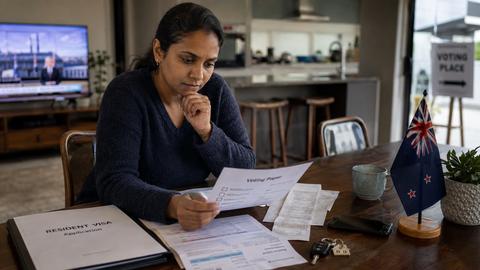
Unlike the previous two general elections, eligible people cannot enrol at a voting place during the voting period.
That means someone who only becomes interested in the election after seeing the leaders vote may discover they have missed the opportunity to enrol.
The Electoral Commission confirmed this change ahead of the election.
It also made clear that people who were not enrolled by the deadline would not be able to vote.
This is particularly significant for first-time voters, people who have recently moved and those who have not participated in previous elections.
The rule applies regardless of which party a person supports.
Whether the earlier deadline affects participation, and which groups are most affected, will be important questions when the election data becomes available.
More Voting Places, But Participation Is Not Guaranteed
The Electoral Commission said 207 voting places were scheduled to open on the first day, providing 1,437 hours of voting.
More locations will open as the election approaches.
On 7 November, more than 2,300 voting places are expected to operate across New Zealand.
They include schools, shopping centres, community halls, marae and other familiar locations.
The intention is to make voting more accessible.
But convenience and participation are not the same thing.
A person may live close to a polling place and still be unable to vote because they missed the enrolment deadline.
Another may be enrolled but unsure about the differences between parties.
And someone who has already voted may continue seeing campaign promises they did not know about when making their decision.
These are different challenges, and each deserves attention.
The Campaign Has Changed. Accountability Must Keep Up.
Election campaigns were once largely discussed around election day itself.
Now voting takes place over an extended period.
That changes the significance of campaign timing.
A policy announced on 5 November may still be important to people who have not voted, but it cannot inform the decisions of those who voted in October.
The same applies to candidate interviews, televised debates and revelations about party proposals.
This does not mean early voting is a problem.
For many people, it is an essential convenience.
But the extended voting period places greater responsibility on parties to communicate clearly and early.
It also places greater responsibility on news organisations to explain policies, test claims and make information accessible throughout the voting period.
The task is not simply to report which leader visited which polling booth.
It is to examine what voters are being asked to support and whether they have enough information to make that decision.
The Questions That Matter Before Casting a Ballot
For voters who have not yet voted, several practical questions are worth considering.
What has each party committed to doing, and how would those policies be funded?
What is the difference between a promise to introduce legislation and a promise to deliver a measurable result?
Which policies could affect household expenses, employment, healthcare, education or housing?
And how do the candidates seeking electorate votes intend to represent their communities?
Under New Zealand’s MMP system, voters have two votes.
The party vote helps determine each party’s representation in Parliament.
The electorate vote selects the local MP.
Those decisions serve different purposes and deserve separate consideration.
The Real Election Day Has Already Arrived
The official election day remains Saturday, 7 November.
But for people voting this week, election day is already here.
That is why the next twelve days matter.
Parties will continue campaigning. Journalists will continue questioning their claims. Voters will continue weighing their choices.
Some people will vote early because they have already decided.
Others will wait for more information.
Both are legitimate ways to participate.
The bigger issue is whether the electoral process gives people a fair opportunity to understand the choices before them.
A ballot takes only a few moments to complete. The consequences of that decision can last three years.
With voting now underway, the most useful election coverage is not simply about who has cast a ballot.
It is about what New Zealanders need to know before casting theirs.
Important Election Information
Advance voting: 26 October to 6 November 2026
Election day: Saturday, 7 November 2026
Election day voting hours: 9am to 7pm
Enrolment deadline: Closed at midnight on 25 October 2026
Find a voting place: https://vote.nz/
Electoral Commission information: https://elections.nz/
Sources and Acknowledgements
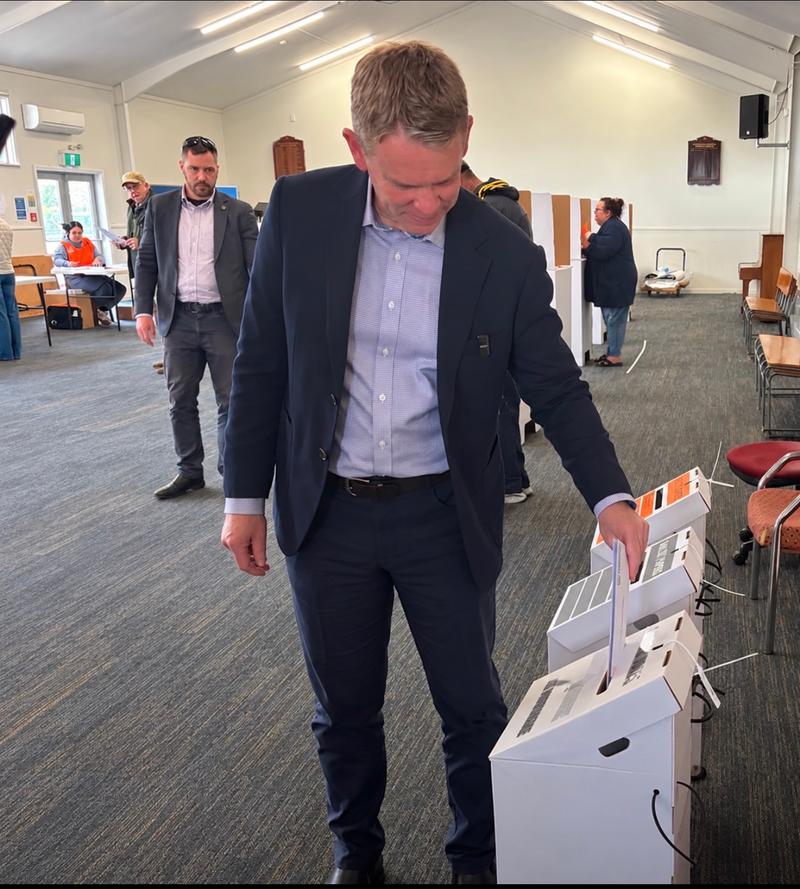
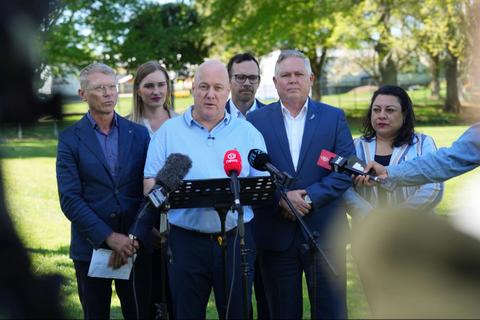
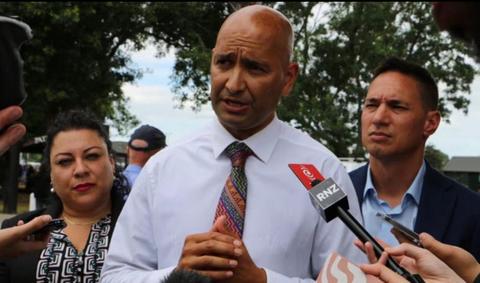
Webfit News acknowledges Radio New Zealand (RNZ) for its reporting on the opening day of advance voting, including coverage of Christopher Luxon and Chris Hipkins casting their ballots.
Original RNZ election coverage:
https://www.rnz.co.nz/news/politics_election-2026/2160626/election-live-advance-voting-begins-as-party-leaders-head-to-the-polls
Additional information was obtained from the New Zealand Electoral Commission and its official 2026 election timetable.
Editorial note: This is an independent Webfit News analysis of the implications of advance voting and the timing of election campaigning. The article does not suggest that any party has deliberately delayed policy announcements or that early voting is inherently disadvantageous. It raises questions about voter information, electoral participation and political accountability.