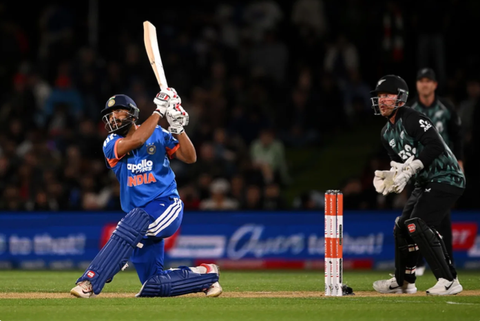
New Zealand insist they are closer to India than the 2-0 scoreline suggests. But after letting two promising positions slip, Michael Bracewell knows the Black Caps must turn competitive performances into victories when the series reaches Wellington.
By Webfit News | Sports | 26 October 2026
Two matches. Two defeats. Both decided in the final over.
For the Black Caps, the scoreline against India makes uncomfortable reading. But inside the New Zealand camp, there is a belief that the difference between the teams is smaller than the results suggest.
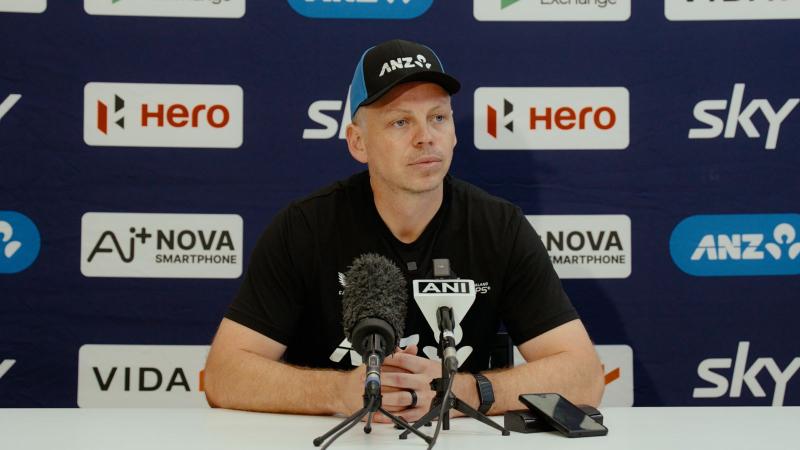
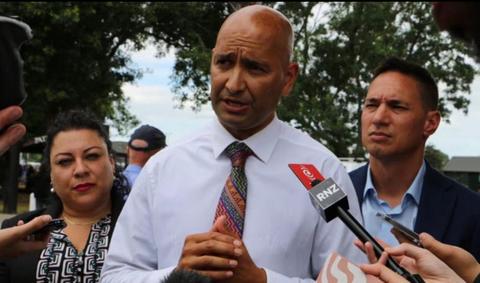
Speaking ahead of Tuesday night's third T20 international in Wellington, all-rounder Michael Bracewell argued that New Zealand had played good cricket for long periods of both matches.
The problem has been finishing the job.
India have won the moments that matter most.
And with the visitors leading the five-match series 2-0, New Zealand can no longer afford another narrow defeat.
How Did New Zealand Let Two Matches Slip?
The opening match in Christchurch offered an early warning.
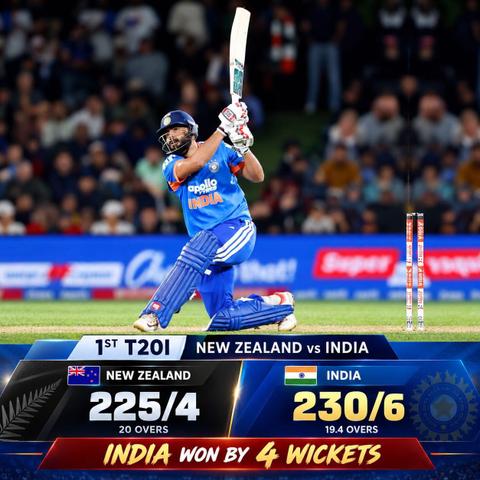
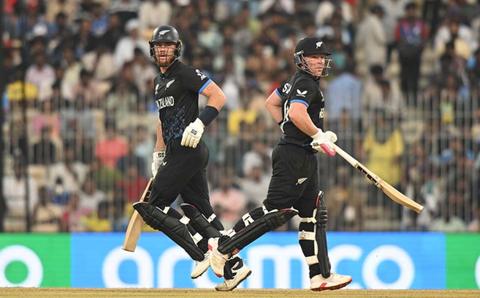
New Zealand posted an imposing 225 for four, with Glenn Phillips striking an unbeaten 82.
In most T20 matches, that would be a formidable total.
India chased it down with two balls remaining.
Three days later, the pattern repeated.
New Zealand made 180 for five in the second match, thanks largely to Phillips' 70 and Bevon Jacobs' 58.
Then captain Mitchell Santner produced a superb bowling performance, taking four wickets and leaving India struggling at 112 for six.
With five overs remaining, India still needed 68 runs.
New Zealand appeared to have the advantage.
But Tilak Varma and Nitish Kumar Reddy turned the contest around with an unbeaten 69-run partnership.
India won with one ball remaining.
The results underline the difference between competing well and closing out a match. <Cite refs={["turn158707search3","turn158707search1"]}/>
Bracewell Says the Scoreline Doesn't Tell the Whole Story
Bracewell believes New Zealand's performances have been better than the series score suggests.
He said the Black Caps had been competitive for extended periods and, at times, had controlled the matches.
Rather than making sweeping changes, he believes the team needs to execute its existing plans more consistently.
The message from the camp is that New Zealand does not need to reinvent its cricket.
It needs to be more precise when the pressure rises.
Bracewell pointed to one delivery from his own bowling spell that was struck for six over a long boundary.
A slightly mistimed shot, he suggested, might have produced a wicket instead.
That is the nature of T20 cricket, where one delivery can change the momentum of an innings.
But there is another side to the argument.
When the same problem appears in consecutive matches, it becomes more than a discussion about fine margins.
India have repeatedly found a way to finish under pressure.
New Zealand have repeatedly failed to stop them.
The Middle Overs Have Not Been the Problem
One encouraging aspect of New Zealand's performance has been its spin bowling.
India's batters have attacked aggressively during the powerplay, but New Zealand have managed to slow the scoring through the middle overs.
Santner's four-wicket performance in the second match was particularly important.
Bracewell praised his captain's ability to control the game and create wicket-taking opportunities.
That gives New Zealand something to build on.
The challenge is what happens after those opportunities have been created.
Against India's batting depth, taking early wickets or controlling the middle overs has not been enough.
New Zealand must also find a way to contain the lower order when the match reaches its final stages.
Wellington's Wind Could Change the Contest
The series now moves to Wellington, where conditions can introduce a different challenge.
Bracewell knows the venue well and expects the swirling wind to influence batting, bowling and fielding decisions.
Unlike some grounds where the wind blows consistently in one direction, Wellington's stadium can produce unpredictable gusts.
That can make high catches difficult and affect how bowlers deliver the ball.
Bracewell recalled a previous match when strong winds forced cameras at one end of the ground to be switched off.
He said players would need to assess conditions carefully and adapt during the match.
The ground's dimensions could also influence tactics.
Wellington is generally shorter square of the wicket but longer down the ground.
That may encourage bowlers to make batters hit straight rather than square.
However, Bracewell cautioned that the final strategy would depend on the pitch.
For New Zealand, the conditions offer another opportunity to challenge India.
They also introduce another test of the team's ability to adjust under pressure.
India Bring More Than Just Batting Power
Bracewell also acknowledged the wider challenge of facing India.
The visitors arrive with a powerful batting lineup, considerable international experience and strong support from cricket fans.
He described playing before large crowds as an opportunity to grow the game in New Zealand.
The Indian team has demonstrated why it is difficult to beat.
Even when its top order has struggled, players further down the lineup have found ways to rescue matches.
That depth was particularly evident in the second T20.
New Zealand had India six wickets down, yet the visitors still completed the chase.
For the Black Caps, dismissing India's leading batters is only part of the task.
They must find a way to finish the innings.
Injuries and Squad Depth Add Another Challenge
New Zealand are also managing changes to their bowling resources during a demanding international schedule.
Fast bowler Matt Henry has been ruled out of the remaining T20 matches against India, while Lockie Ferguson will miss the Wellington match.
Kyle Jamieson is expected to feature in the third T20.
The changes will test the depth of New Zealand's pace attack at a time when the team needs greater control in the closing overs.
Bracewell said the squad had developed useful depth and that fresh players could bring energy.
With 12 matches across formats scheduled during India's tour, managing workloads will remain important. <Cite refs={["turn158707news12","turn158707search6"]}/>
Wellington Is About Results, Not Reassurance
The third T20 in Wellington on Tuesday, 27 October, is now a must-win match for New Zealand if they want to keep the series alive.
India need one more victory to secure the five-match contest.
The Black Caps have shown they can score heavily, take wickets and put India under pressure.
What they have not shown is the ability to sustain that pressure until the final ball.
Bracewell remains confident the team can turn things around.
That confidence is understandable given how close the first two matches have been.
But New Zealand's next challenge is not to prove they can compete with India.
They have already done that.
The challenge is to prove they can beat them.
And in Wellington, another near miss will not be enough.
Match Information
Third T20 International: New Zealand vs India
Date: Tuesday, 27 October 2026
Venue: Hnry Stadium, Wellington
Start: 8pm NZDT
Series position: India lead 2-0
Sources and Acknowledgements
This Webfit News report is based on the supplied pre-match press conference transcript featuring New Zealand all-rounder Michael Bracewell.
Additional match information and statistics were cross-checked against the International Cricket Council's coverage of the first two T20 internationals and New Zealand Cricket's tour information.
Editorial note: The supplied press conference transcript contains some automated transcription errors. The article paraphrases the speaker's comments where necessary rather than presenting uncertain wording as direct quotations.