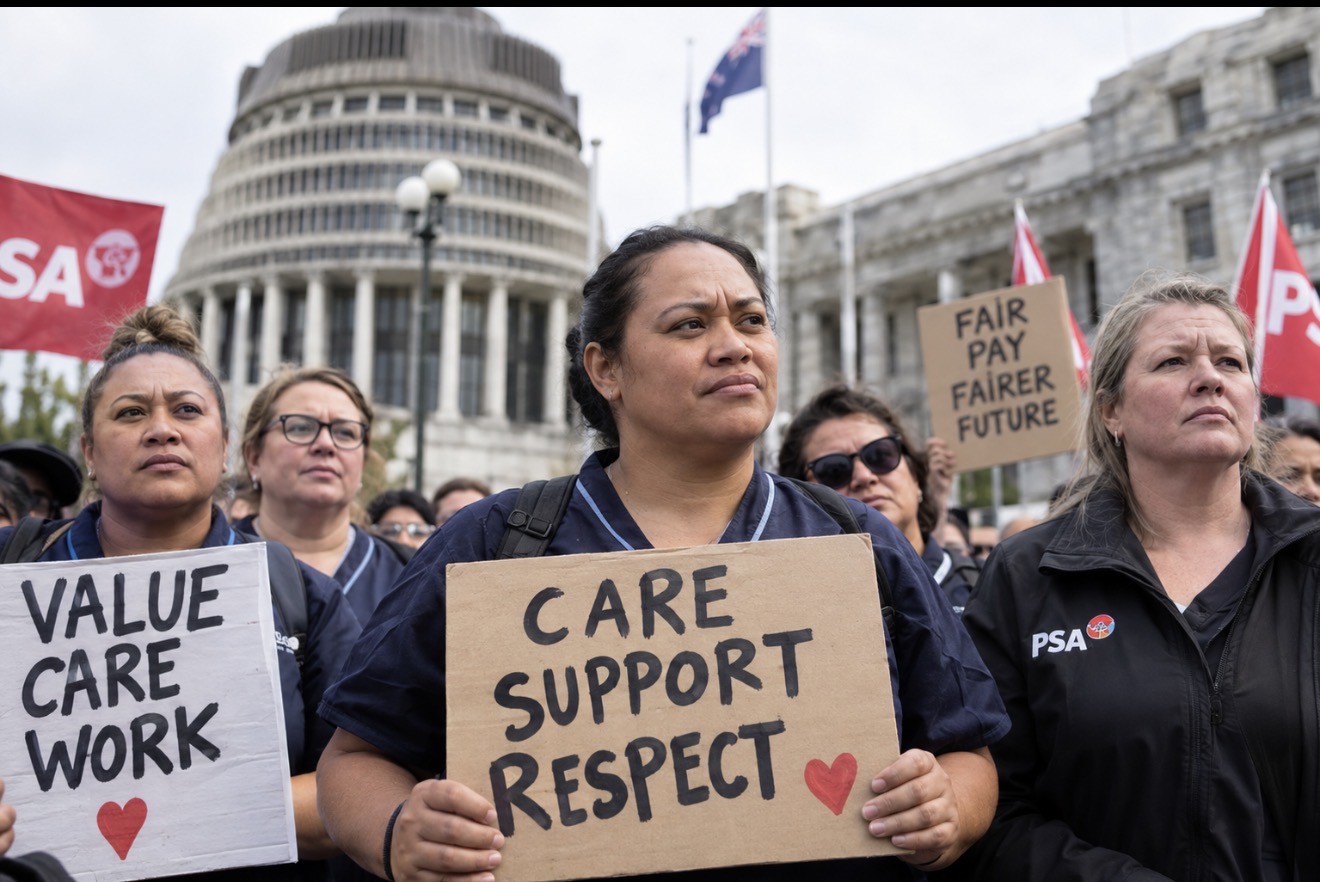
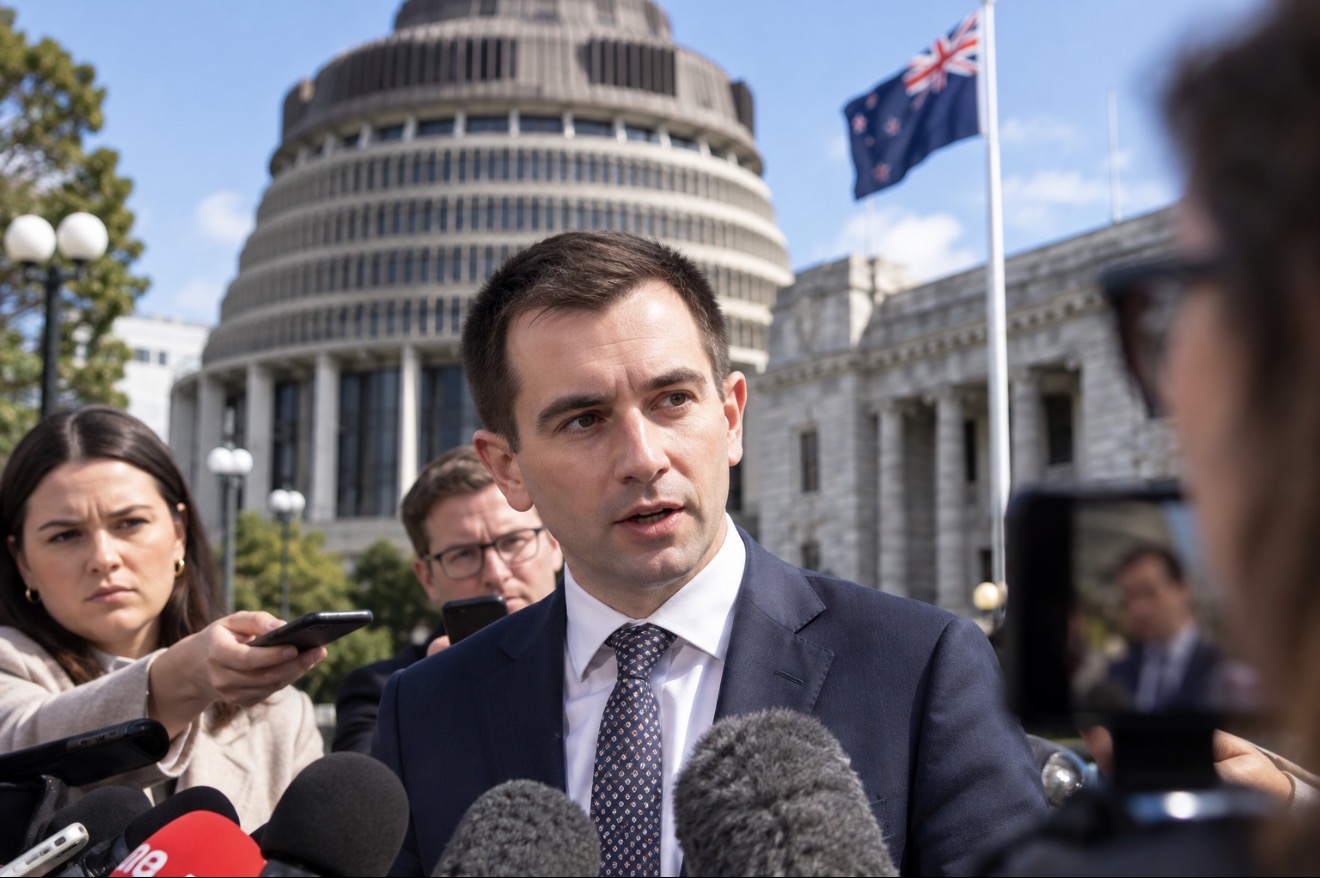
The Public Service Association (PSA) is calling on State-Owned Enterprises Minister Simeon Brown to release Treasury's advice on state asset ownership in full, after Brown declined to confirm whether the advice recommends selling any Crown assets, or to rule out asset sales should National lead the next government.
The demand comes just weeks before the 7 November election, with the PSA framing Brown's refusal to answer directly as evidence of a "secret agenda."
What Actually Happened
According to reporting from The Post, Brown confirmed that Treasury has provided advice to ministers on its asset ownership review, advice that has reportedly been sitting with ministers for weeks. However, he would not say what the advice recommends, or when, if ever, it will be made public.
PSA National Secretary Fleur Fitzsimons argued the lack of transparency itself is the problem.
"If there's nothing to hide, release the advice," Fitzsimons said. "New Zealanders are heading to the polls, and they deserve to know now, not after the election, whether National are planning to sell off the assets we all own."
What the Treasury Review Actually Is
It's worth being precise about what this review actually examines, since there's a meaningful difference between reviewing why the Crown owns something and recommending it be sold.
According to Treasury Chief Executive Iain Rennie, speaking to a parliamentary committee in December, the review looks at whether the Crown has a clear ownership purpose for a given asset, not whether that asset should be sold.
"Treasury was not making any recommendations along those lines," Rennie said, when directly asked by Green co-leader Chlöe Swarbrick whether the exercise involved contemplating asset sales. "Decisions about retaining assets, selling assets, carving up part of assets... that sits with ministers."
Treasury's Sowden added further context: the review could conclude the Crown lacks a clear ownership purpose for a particular asset, but what happens next with that conclusion is entirely a decision for ministers, not something Treasury itself is driving.
Brown's Own Answers Have Shifted Slightly
Brown's public statements on this topic have been notably careful. When asked directly by the NZ Herald whether Treasury had advised there was no need for Government to own certain assets, he did not answer directly.
"They've provided advice on how we can make sure we're getting good value for money and that's been my focus," Brown said.
He later confirmed there had been no specific advice recommending asset sales, though he did not address whether Treasury had found there was no clear ownership purpose for some assets, a related but distinct question.
Brown has separately said National will not be campaigning on asset sales this election, telling the Herald the party is "not going to the election campaigning on asset sales," while also noting that "there's policies we'll be announcing over the next two months."
A Split Within the Coalition Itself
Adding a layer of complexity, this issue has also produced visible tension within the current governing coalition. Finance Minister Nicola Willis moved quickly to rule out selling major assets like electricity company shareholdings or Air New Zealand, distinguishing that from a narrower concept of "asset recycling" within entities.
That statement came just hours after National leader Christopher Luxon and Brown had both suggested a policy on this topic was still being developed, suggesting the party's messaging on this issue has not been entirely consistent.
Notably, Luxon said in late 2025 that "there's a legitimate conversation to have" about revisiting National's current term-long commitment not to sell state assets, though he has not confirmed any specific policy.
What's Actually at Stake
To understand the scale of what's being discussed, it helps to know what the Crown currently owns. According to Scoop's reporting, the Government holds roughly $100 billion in commercial assets, including 51 percent stakes in Meridian, Mercury and Genesis, alongside full ownership of smaller state-owned enterprises like TVNZ, MetService and Kordia.
The PSA's Historical Argument
Fitzsimons also invoked New Zealand's history with privatisation to argue against any future asset sales, pointing to outcomes from the 1980s and 90s.
"Asset sales in the 1980s and 90s stripped thousands of workers of their jobs, sent profits offshore to new owners, and left taxpayers picking up the bill when privatisations like the Bank of New Zealand and Air New Zealand failed and had to be bought back," Fitzsimons said.
She also referenced the 2013 referendum on asset sales, in which two-thirds of voters rejected the policy at the time.
What the PSA Is Demanding
The union has laid out three specific requests directed at Brown:
- Publicly clarify what National's asset sales plan, if any, actually is
- Release the Treasury advice on asset ownership in full, immediately
- Confirm which state-owned enterprises and commercial assets have been assessed as part of the review
Why This Matters Heading Into the Election
This dispute sits at an interesting intersection of genuine policy ambiguity and political timing. Treasury's own officials have been fairly clear that the current review is not, by design, a recommendation to sell assets. At the same time, Brown's own answers have left room for interpretation, and other coalition partners, ACT included, have previously expressed clear interest in selling Crown shareholdings in gentailers like Meridian, Mercury and Genesis.
With National yet to formally rule out or confirm any asset sales policy, and further announcements reportedly still to come before election day, this is likely to remain a live and closely watched issue through to 7 November.
This article is based on a media release issued by the Public Service Association (PSA), with additional context drawn from reporting by the NZ Herald, RNZ, Stuff and Newstalk ZB.