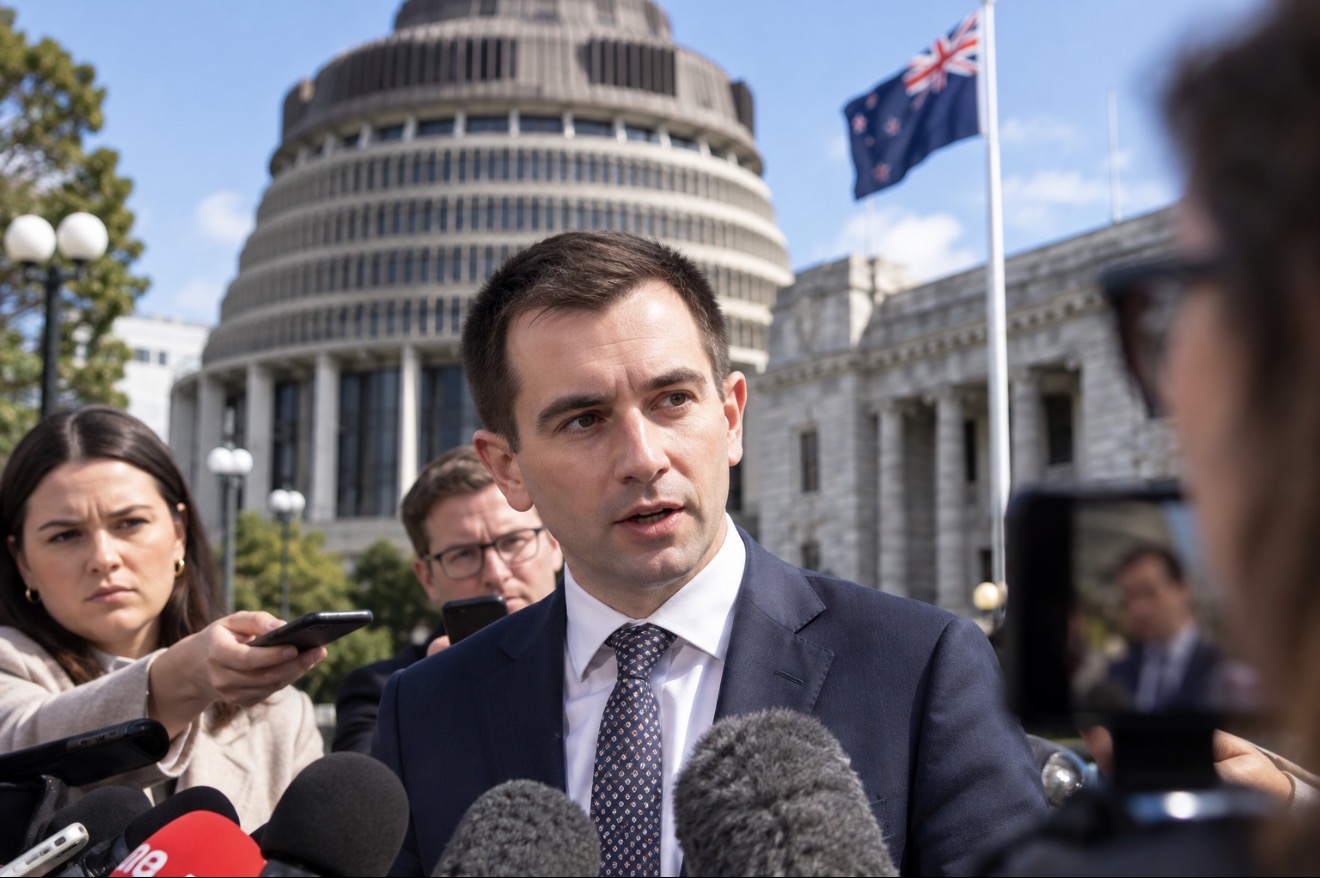
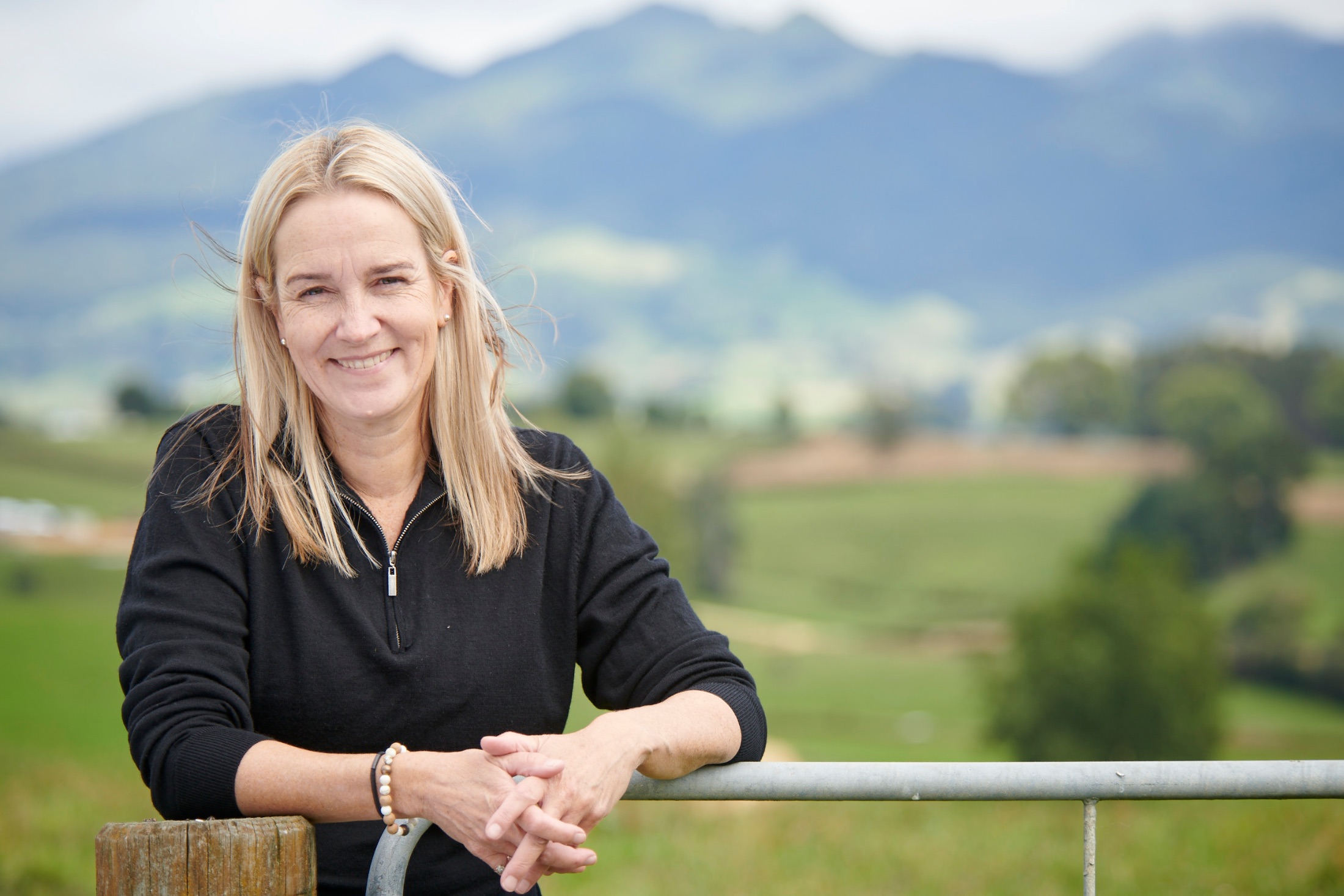
Susan O'Regan has been appointed as the new Chair of the Queen Elizabeth II National Trust, taking on a three-year term following the death of previous Chair Alan Livingston in April this year.
The appointment was made by Minister of Conservation Hon Tama Potaka, and brings a Waikato dairy farmer with both governance and iwi partnership experience to lead one of New Zealand's key conservation organisations.
What QEII Actually Does
For those less familiar with the Trust's work, QEII operates by partnering directly with private landowners to protect and enhance areas of biodiversity and cultural heritage through covenants placed on their land.
This approach matters more than it might first appear, since a significant amount of New Zealand's rarest plant and animal life exists specifically on private land, meaning conservation efforts there depend almost entirely on voluntary cooperation between landowners and organisations like QEII, rather than government land management alone.
Who Is Susan O'Regan
O'Regan brings a fairly unique mix of experience to the role. Alongside her background as a Waikato dairy farmer, she has:
- Governance experience, including a term as Mayor of Waipa District Council
- A working history alongside iwi
- A current role as a Crown appointee on the Waikato River Authority
That combination, farming background plus governance and iwi relationship experience, aligns closely with the kind of stakeholder engagement the role demands, given QEII's work sits at the intersection of farming communities, conservation groups and tangata whenua.
A Personal Connection to the Role
O'Regan described her appointment as both an honour and a responsibility she takes seriously.
"I am deeply honoured to be appointed Chair of the QEII National Trust and grateful to Minister Potaka for his confidence in me," O'Regan said. "QEII does extraordinary work, quietly, consistently, and in genuine partnership with landowners."
She also spoke to her own personal stake in the Trust's mission, drawing directly from her own experience as a farmer.
"As a Waikato farmer myself, with land I care deeply about, I bring to this role not just governance experience but a personal connection to what QEII represents, the belief that those of us who are privileged to be kaitiaki of our land have a responsibility to protect what is precious on it."
Acknowledging Her Predecessor
O'Regan also took a moment to recognise the legacy of the Trust's previous Chair, Alan Livingston, who passed away in April.
"I also acknowledge the passing of QEII Chair Alan Livingston in April, his connections, considerable commitment and passion have been invaluable for QEII, and he leaves big shoes to fill."
A Warm Welcome From Leadership
QEII Chief Executive Dan Coup welcomed the appointment, signalling optimism about working alongside O'Regan going forward.
"Susan has a good understanding of the Trust's work already and we look forward to her leadership in navigating the challenges and opportunities ahead of us," Coup said.
Who Else Sits on the Board
O'Regan joins a six-member board structure, split between ministerial appointments and member-elected positions.
|
Board Member |
Appointment Type |
|
Susan O'Regan (Chair) |
Minister-appointed |
|
Philip Hulme |
Minister-appointed |
|
Richard McDowell |
Minister-appointed |
|
Debbie Hyland |
Minister-appointed |
|
Graham Mourie |
Member-elected (2025) |
|
Marie Taylor |
Member-elected (2025) |
Why This Appointment Matters
For an organisation whose entire model depends on maintaining trust and strong working relationships with private landowners, farming communities and iwi, leadership matters enormously. O'Regan's background suggests a chair well positioned to maintain and potentially strengthen those relationships, particularly given her direct experience working across both farming and iwi partnerships in the Waikato region.
With Livingston's passing leaving a genuine gap in the organisation's leadership, O'Regan now takes on the task of continuing his legacy while bringing her own perspective to an organisation working to protect some of New Zealand's most vulnerable ecosystems, one private landholding at a time.
This article is based on a media release issued by the Queen Elizabeth II National Trust.