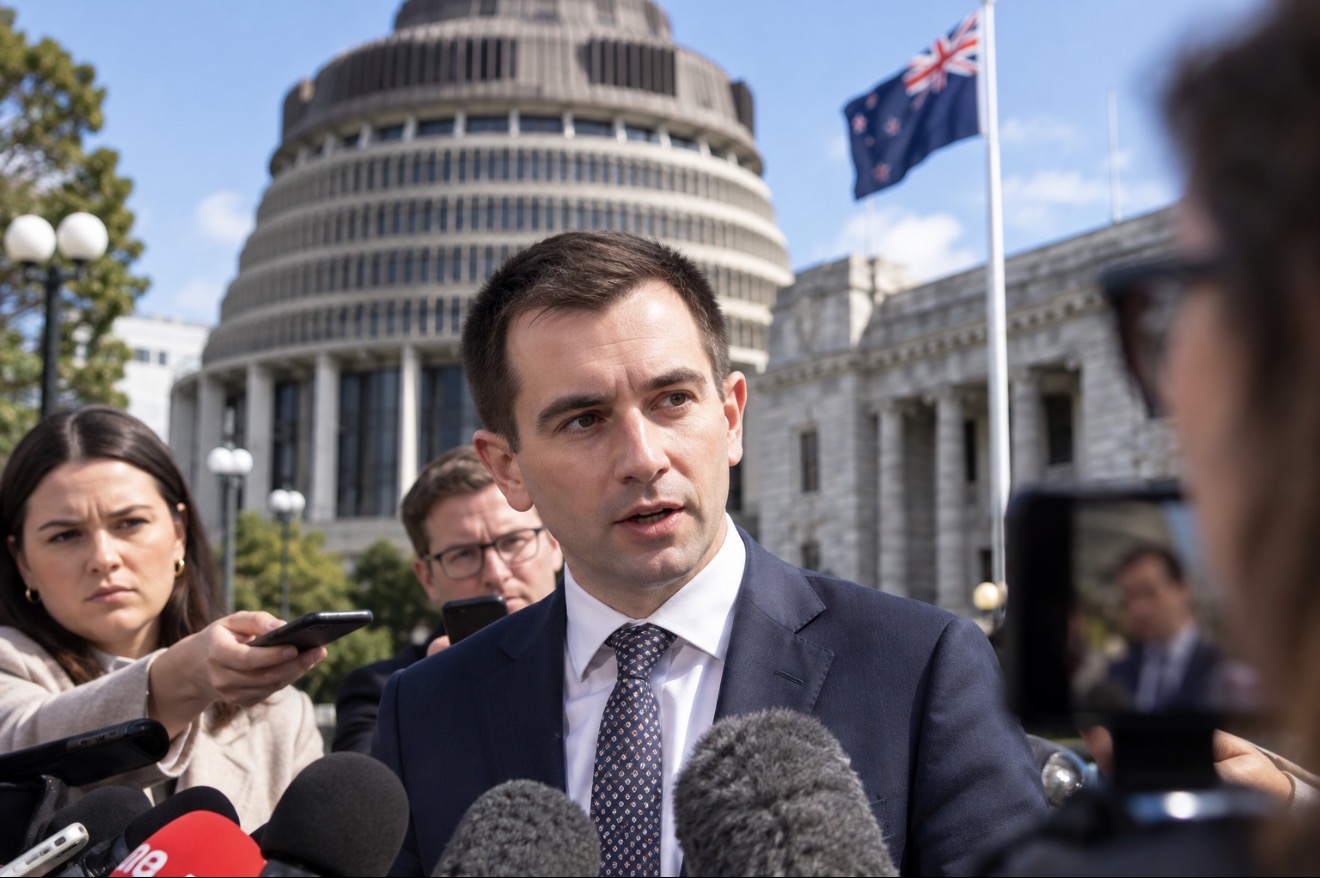

National wants to split supermarket giant Foodstuffs in two, arguing it would drive down grocery prices for New Zealand shoppers. Whether it would actually work depends on who you ask.
The proposal, announced on Wednesday, would require a Commerce Commission review to determine whether shoppers would genuinely be better off before any split proceeds.
What Foodstuffs Actually Is, and What Would Change
Foodstuffs currently operates as two co-operatives managing all New World, Pak'nSave and Four Square stores across the country. Under National's plan, this structure would be split apart, leaving New Zealand with three separate nationwide supermarket chains instead of two: Pak'nSave, New World/Four Square, and Woolworths.
The Numbers National Is Promising
According to National's own modelling, splitting Foodstuffs in two could deliver:
| Timeframe | Estimated Price Reduction |
|---|---|
| After 1 year | 3.5% lower prices |
| After 6 years | 5% lower prices |
Finance spokesperson Nicola Willis said the change could eventually save households up to $1,320 a year.
Experts Say It's the Right Direction, But Slow
University of Auckland senior marketing lecturer Drew Franklin described the move as a genuine step forward, pointing to international precedent.
"Structural separation or intervention that's seeking to structurally reform the sector has been shown to work overseas because it lowers the concentration of the market so there are more players in the game," Franklin said.
He was careful, though, to temper expectations about how quickly any benefit would actually show up for shoppers.
"The short answer is time will tell," Franklin said. "That sort of structural separation putting downward pressure on prices isn't going to happen in a hurry."
A Notable Shift in the Political Debate
Consumer chief executive Jon Duffy welcomed the proposal, framing it as part of a broader shift in how seriously major parties are now treating the issue.
"The debate has really moved forward from where we were even six weeks ago," Duffy said, noting that with the exception of ACT, most major parties now have some form of structural reform in their election manifestos addressing grocery competition and pricing.
Duffy specifically praised the process National has proposed, requiring the Commerce Commission to essentially run the assessment in reverse.
"Instead of hypothesising what a market would look like if two entities merge, hypothesise what they will look like if they demerge, and work out whether there's a net benefit to consumers," Duffy said.
He also drew a distinction between different parties' approaches, describing National's plan as aiming to treat the "disease" of market concentration, while characterising Labour's anti-price gouging measures as addressing symptoms rather than root causes.
"It's strange territory for the National Party," Duffy said, "but that's how bad the problem is."
Business Groups Push Back Hard
Not everyone is convinced this is the right approach. BusinessNZ director of advocacy Catherine Beard raised serious concerns about the precedent such intervention could set.
"This is a very concerning move by the National Party and sends a chilling signal to businesses across New Zealand that the government can break up businesses," Beard said. "It also sends the wrong signal to foreign investors looking to invest in New Zealand."
Beard argued the underlying problem hasn't been fully diagnosed, pointing specifically to an unresolved question about how New Zealand's grocery prices genuinely compare internationally.
"How does our basket of groceries stack up in New Zealand versus international comparators when a lot of other countries don't put GST on their food and New Zealand does?" Beard said, noting the Commerce Commission itself acknowledged this needs further investigation.
She also raised a practical risk: splitting the business could actually increase prices in the short term if it costs the company existing efficiencies of scale.
A Middle-Ground View
Franklin acknowledged BusinessNZ's caution had some merit, but argued the underlying case for intervention isn't speculative.
"We've done our own research here at the University of Auckland that has identified that the concentration problem is well documented," Franklin said. "That's the problem that the structural separation is seeking to fix effectively. It's not the government setting grocery prices or running supermarkets or co-opting supermarkets like some of the other policies that we've heard to date."
He said what's really needed is a Commerce Commission with more regulatory teeth and a clearer mandate to respond to entrenched market power. He also flagged a practical concern worth watching: how a split would affect areas currently served by only one supermarket brand.
A Broader Economic Reality Check
Westpac chief economist Kelly Eckhold offered a wider lens on the issue, noting that New Zealand's food price increases over the past two decades have actually sat roughly in the middle of the pack among OECD countries.
"The increase in food prices and cost of living pressures has been a global phenomenon," Eckhold said. "It's hard to point at New Zealand-specific factors to suggest our prices are dramatically different to what's happened with the global trend."
His overall assessment was measured: splitting Foodstuffs is unlikely to be a silver bullet for New Zealand's broader cost-of-living pressures.
Where This Leaves Things
With genuine disagreement between economists, consumer advocates and business groups about both the wisdom and likely effectiveness of this policy, the real test will come down to the Commerce Commission's own analysis, effectively working backwards to determine whether splitting Foodstuffs would leave shoppers meaningfully better off, or simply disrupt a system without solving the underlying problem.
Foodstuffs has been approached for comment.
This article is based on reporting by Susan Edmunds for RNZ.