The Public Service Association (PSA) has strongly criticised changes added to the Local Government (Systems Improvement) Bill, arguing they will significantly weaken mana whenua representation at the council level. The Government, for its part, frames the same changes as a matter of basic democratic accountability.
At the centre of the dispute is a change that would remove voting rights from council-appointed committee members, meaning only elected councillors would be able to vote on council committee decisions going forward.
What the Bill Actually Changes
According to Local Government Minister Simon Watts, the change would restrict voting rights on council committees to elected members only. Statutory committees and appointments, including those agreed as part of Treaty settlements, would be excluded from this restriction, and committee members appointed under other legislation outside the Local Government Act would retain their voting rights.
Once passed, councils would have six months to review their existing delegation arrangements before the change takes effect.
The PSA's Case Against the Change
PSA Kaihautū Māori Jack McDonald described the change as a deliberate, last-minute move made without proper public input.
"Make no mistake, this change, made quietly and quickly without consultation as parliament wraps up for the term, is squarely targeted at tokenising mana whenua representation in local government," McDonald said.
McDonald went further, characterising the motivation behind the bill in stark terms.
"These changes are not about enhancing democracy. They are about scaremongering and pandering to the outdated racist views of people who are threatened by iwi Māori having a say on what goes on in their rohe," he said.
The PSA also pointed to the Government's own Regulatory Impact Statement (RIS) on the bill, arguing it raises doubts about whether the problem being addressed is even real, and warns that removing appointed members' voting rights could make councils less effective by weakening their ability to draw on outside expertise.
McDonald also noted the change adds to an already long list of structural reforms councils are currently navigating, including amalgamation, RMA reform and the rollout of new water entities.
The Government's Reasoning
The Government's own explanation for the change centres on a different concern: democratic accountability for who gets to vote on council decisions.
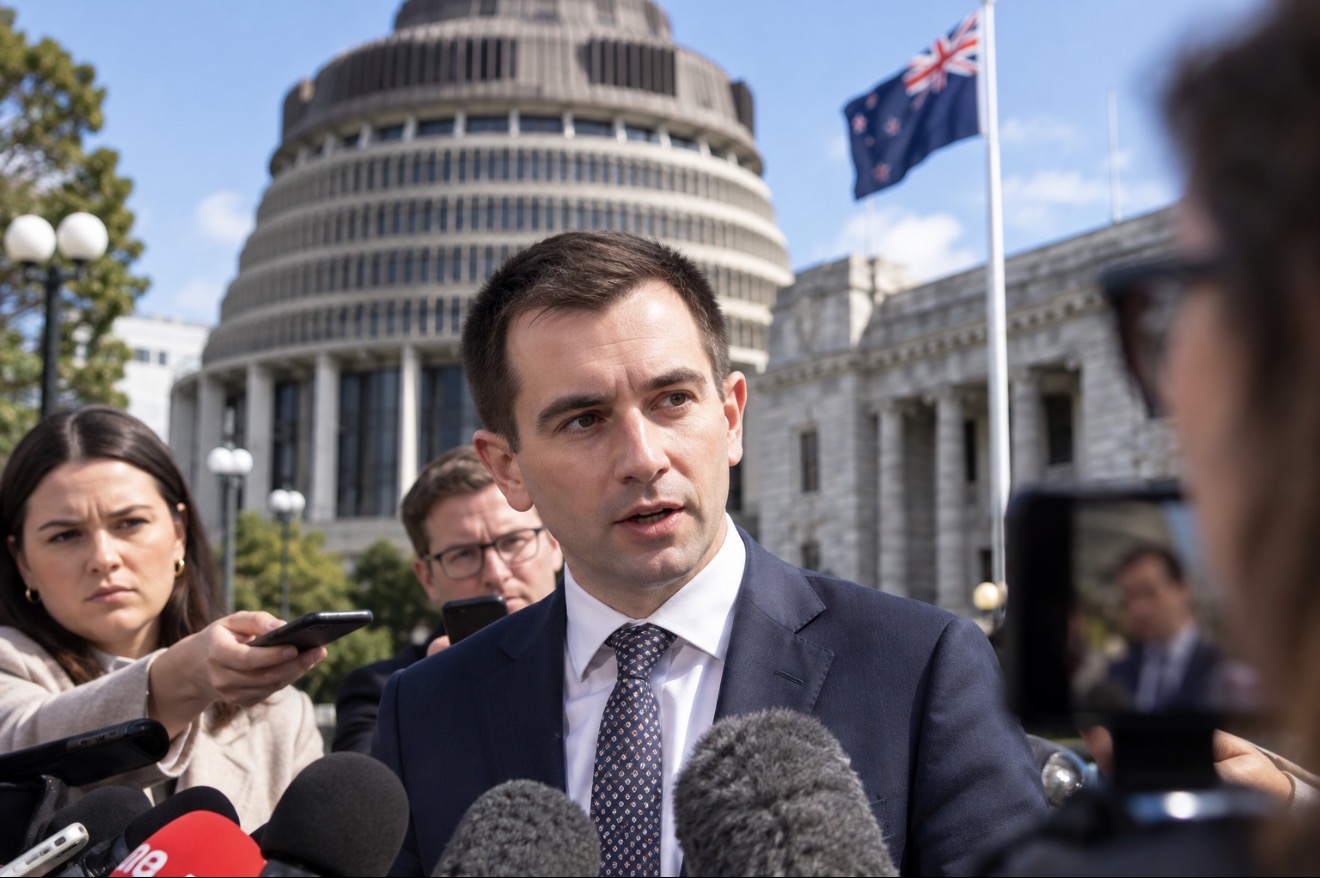
Announcing the change, Minister Watts said the issue stemmed from unelected individuals holding voting rights on some council committees.
"While it is useful and appropriate that councils are able to make appointments that bolster the skills, attributes and knowledge of elected members, those individuals are not elected by ratepayers and therefore have no democratic accountability," Watts said.
The Government has pointed to specific, real-world examples to justify the change, including cases in the Far North, Tauranga and Hastings, where iwi representatives and, in some cases, people under 18, were appointed to council committees with full voting rights without having been elected.
One case in particular drew national attention: the Far North District Council's Te Kuaka Māori Strategic Relationships Committee, which includes six elected councillors alongside representatives from the Northland iwi chairs forum, Te Kahu o Taonui, and eight hapū representatives. In April, more than 100 people gathered outside the council's offices in Kaikohe, both in support of and against the arrangement, ahead of a council vote to expand the committee.
ACT leader David Seymour has separately argued that anyone with voting power over council decisions should face the same electoral accountability as councillors themselves, and the party had lodged its own Member's Bill on the issue before it was incorporated into this wider legislation.
A Community Divided
Reaction on the ground in Northland, where this issue has been most visible, reflects a genuine split in views. Local MP Mariameno Kapa-Kingi has argued the changes represent central government overriding the wishes of communities that had themselves chosen these representation arrangements.
"Now, the Government is making further changes so councils can no longer appoint iwi representatives as voting members, even where local communities have supported those arrangements," Kapa-Kingi wrote, describing the reforms as part of a broader pattern of central government diluting regional independence.
Why This Debate Keeps Recurring
This isn't the first time Māori representation in local government has become a flashpoint. A previous law change in 2021, removing the public's ability to veto a council's decision to establish Māori wards, passed under urgency amid fierce opposition from National, which was in Opposition at the time and called the process "a mockery of our democracy." The current Government later reversed that veto removal, restoring a public referendum option for Māori wards.
What Happens Next
With the changes now folded into the Local Government (Systems Improvement) Bill currently before Parliament, the debate is likely to continue through the bill's remaining stages. Councils around the country, particularly those with existing iwi or hapū representation arrangements on committees, will be watching closely to understand exactly how the six-month transition period will affect their current governance structures once the bill passes.
This article draws on a media release issued by the Public Service Association (PSA), with additional context from Beehive.govt.nz, RNZ, and the NZ Herald.