From home kitchens to global markets: Auckland launches worldwide initiative for women entrepreneurs
Suman Kapoor’s vision for women’s economic independence receives support from Indian Consul General Dr Madan Mohan Sethi, as community leaders explore entrepreneurship, seed...
Suman Kapoor’s vision for women’s economic independence receives support from Indian Consul General Dr Madan Mohan Sethi, as community leaders explore entrepreneurship, seed funding and international trade opportunities.
By Webfit News | 29 November 2026
A jar of homemade pickle, a sewing machine or a traditional family recipe may seem like ordinary household resources. But with the right guidance, financial support and access to markets, they could become the foundation of a successful business.
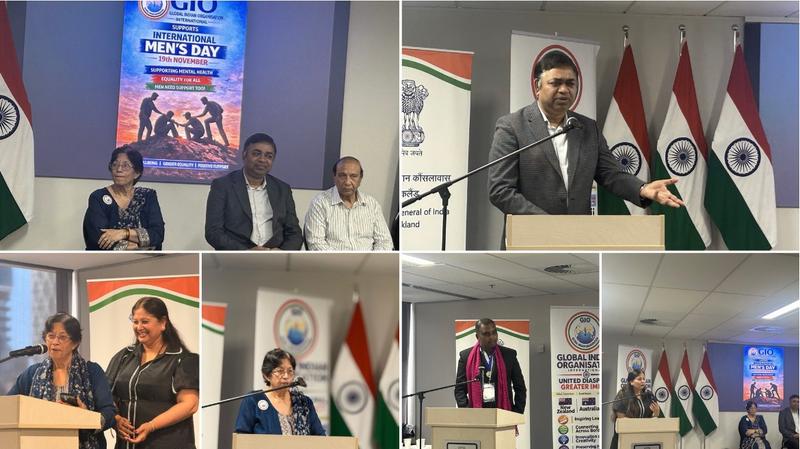
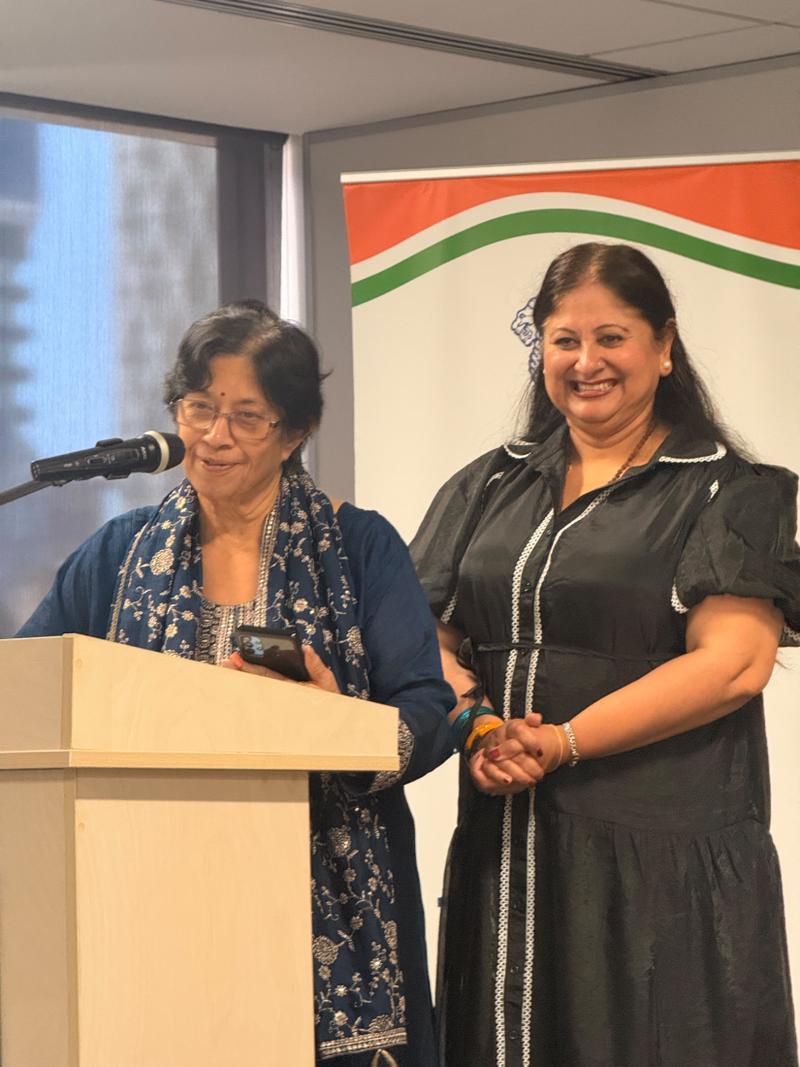
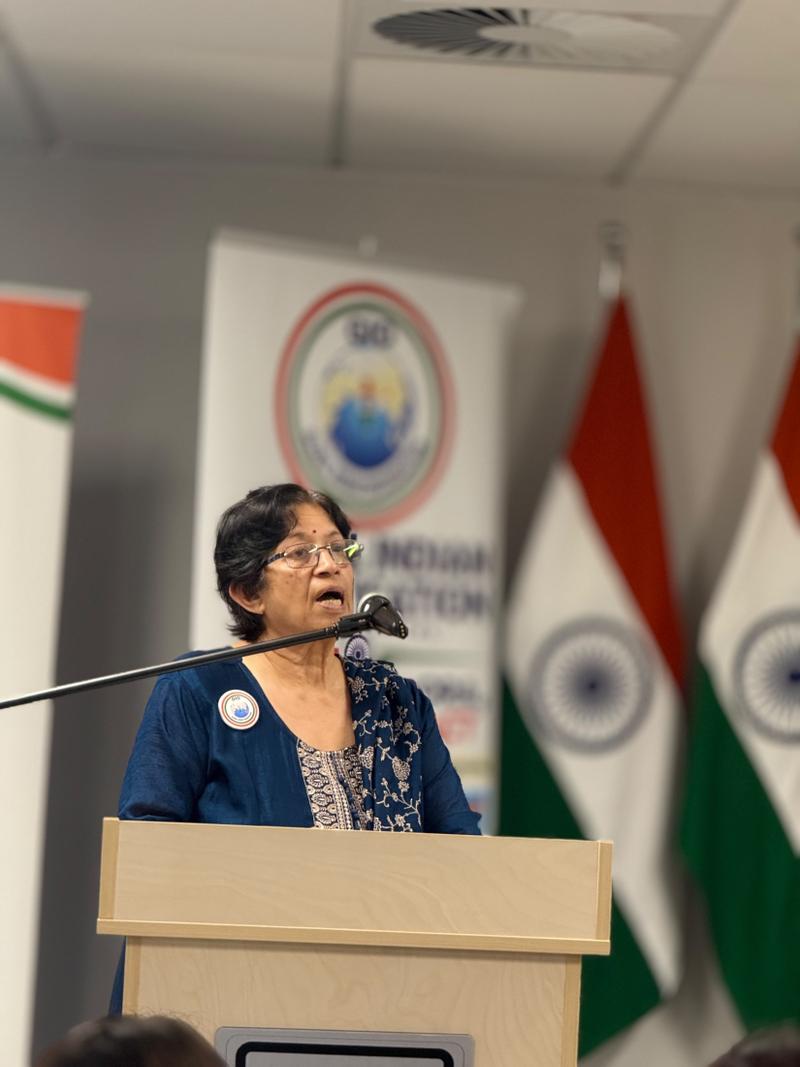
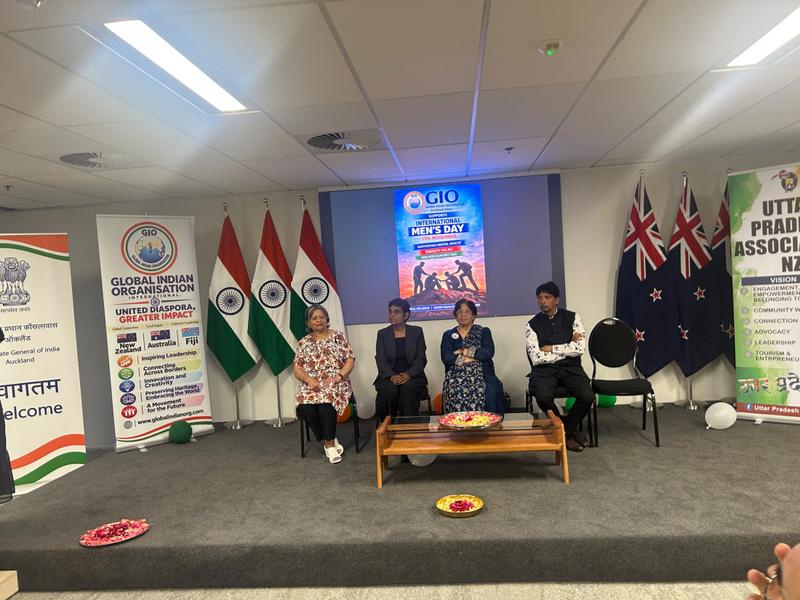
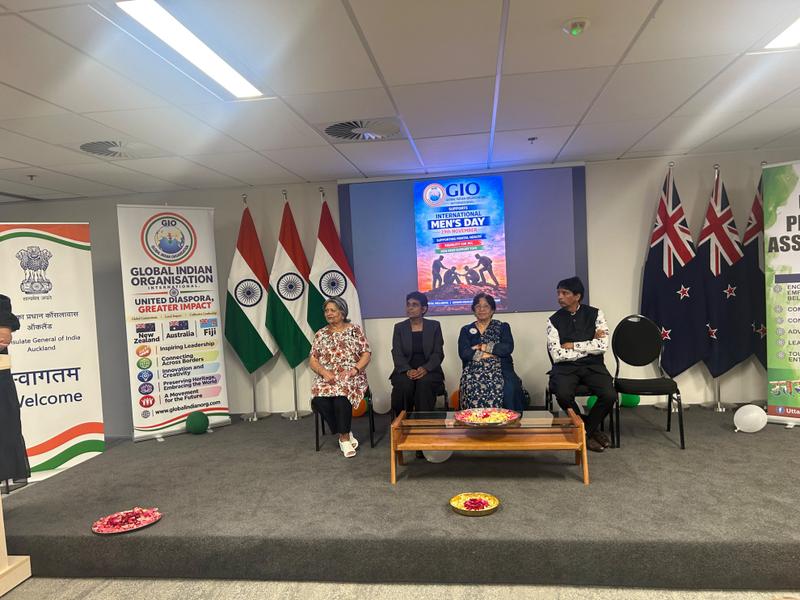
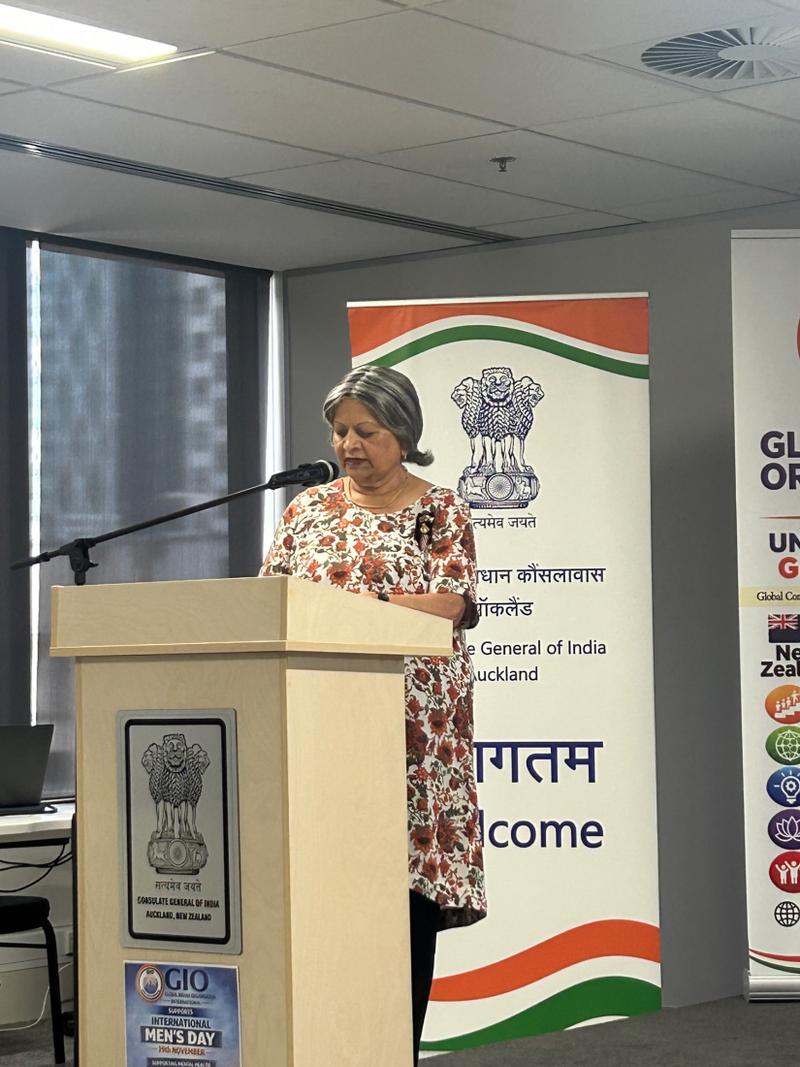
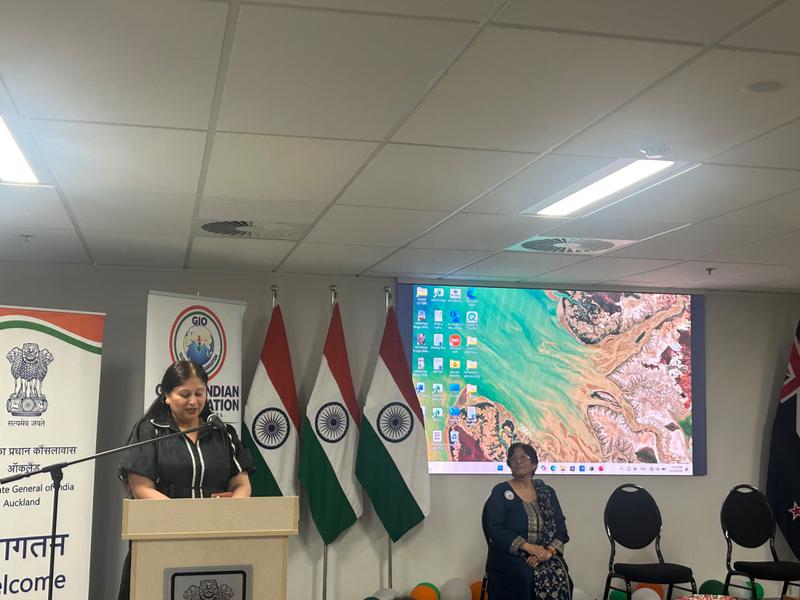
That was the message behind the launch of Mahila Griha Udyog Worldwide at the Consulate General of India in Auckland on Sunday, 29 November.
Led by Women Diaspora New Zealand, with the support of the Uttar Pradesh Association New Zealand and Global Indian Organisation (GIO) International, the gathering brought together diplomats, entrepreneurs, community leaders and professionals to explore practical pathways towards women’s economic independence.
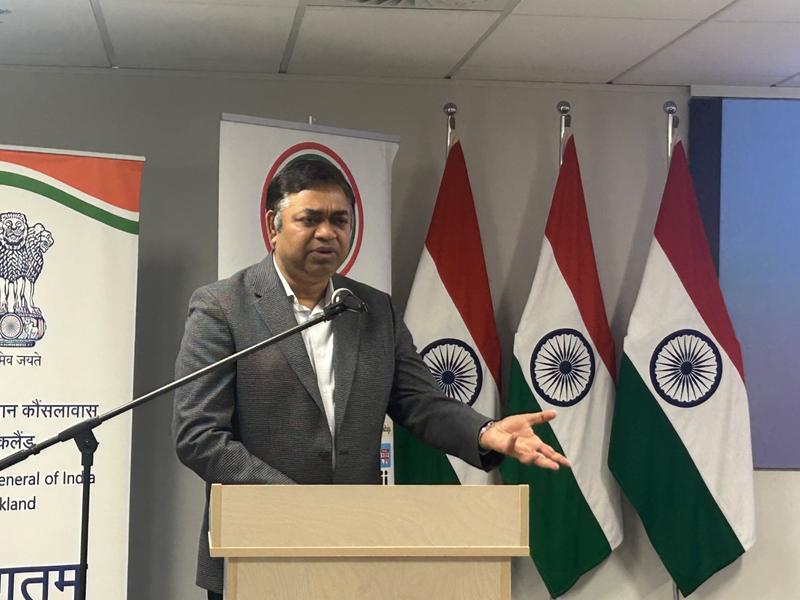
Indian Consul General Dr Madan Mohan Sethi attended as chief guest, proposing a cooperative business model and exploring seed funding opportunities for aspiring women entrepreneurs.
The occasion also marked the presentation of the GIO International Men’s Day Award 2026 to Fiji-based entrepreneur and community leader Laukesh Lal.
Suman Kapoor: Giving everyday talent a global platform
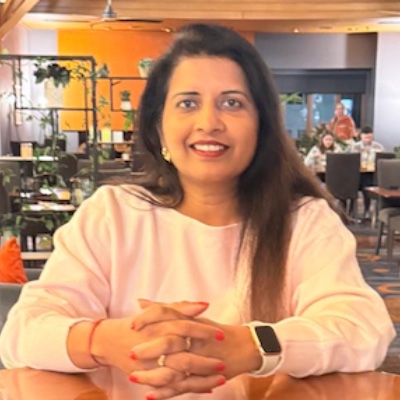
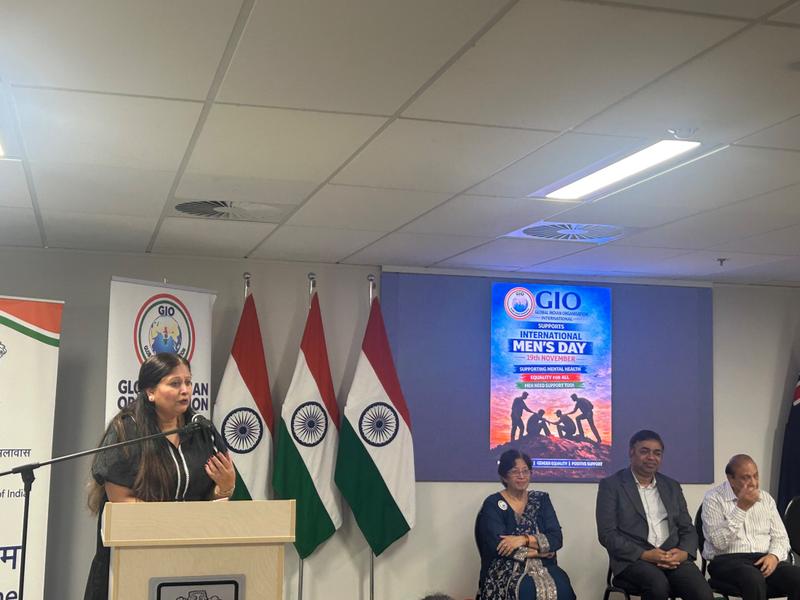
At the heart of the initiative is community leader Suman Kapoor, whose vision is to help women recognise the commercial potential of skills they already possess.
Kapoor explained that many women are talented, creative and hardworking but often lack the opportunities, resources and professional guidance required to establish their own businesses.
“A woman does not necessarily need a large investment or a shop to start. Her home, her kitchen, her creativity, her skills can become the beginning of an enterprise,” she said.
From homemade food, traditional snacks and pickles to tailoring, embroidery, handicrafts, tutoring and digital services, Kapoor identified numerous opportunities for women to generate income while managing their personal and family commitments.
She emphasised that having a skill is only the beginning. Understanding pricing, packaging, branding, marketing, customer service and financial management is equally important.
Through Mahila Griha Udyog Worldwide, she hopes to create an international network where experienced professionals can guide aspiring entrepreneurs, help them navigate business requirements and explore import and export opportunities.
Kapoor said preliminary online discussions had already attracted interest from members of the Indian diaspora in the United States and the United Kingdom.
“An ordinary woman, with determination, can create an extraordinary journey,” she said.
Her vision is to create an environment where women can confidently recognise their abilities, develop their ideas, earn independently and contribute to their communities.
Dr Madan Mohan Sethi proposes seed funding and a cooperative business model
One of the key developments of the gathering came from Dr Madan Mohan Sethi, Consul General of India in Auckland, who proposed exploring a self-help group model inspired by India’s grassroots entrepreneurship networks.
He suggested bringing together an initial group of 10 to 20 aspiring women entrepreneurs, supported by experienced businesspeople and members of the community.
The proposed model could help participants identify suitable products, access initial funding and establish direct connections with manufacturers and exporters in India.
Dr Sethi proposed exploring seed funding through community collaboration, alongside discussions with banking institutions to identify suitable financing opportunities for emerging women-led enterprises.
The proposals remain at an exploratory stage but offer a practical starting point for women who may otherwise struggle to access business networks and initial capital.
Dr Sethi emphasised that knowledge and expertise already exist within the community. The challenge, he explained, is bringing those resources together and creating opportunities for people to put their abilities into practice.
He identified textiles, leather products, handicrafts, carpets, tea, coffee, small machinery and engineering products as potential areas of commercial collaboration between India and New Zealand.
The Consul General also highlighted his office’s Wednesday engagement sessions, where prospective importers, exporters and local businesspeople can discuss opportunities and seek guidance.
With the India–New Zealand Free Trade Agreement featuring prominently in the discussion, Dr Sethi suggested facilitating direct interactions between Indian manufacturers and prospective New Zealand entrepreneurs.
His message extended beyond business. He encouraged Indian community organisations to work together while maintaining their individual cultural identities and called for greater participation from Māori and the wider New Zealand community in Indian cultural and commercial activities.
Dr Sethi also paid a personal tribute to Kapoor, praising her energy, determination and continued commitment to community development at the age of 74.
Hansaben: Turning household skills into sustainable businesses
Hansaben, QSM, JP, a community leader with a professional background in accounting, offered practical guidance on establishing home-based enterprises in New Zealand.
Drawing inspiration from India’s successful Lijjat Papad enterprise, she explained how women working individually or collectively could transform traditional skills into sustainable sources of income.
Her advice was to begin by identifying a product or service that matches both personal expertise and market demand.
She encouraged aspiring entrepreneurs to research customer needs, understand their competitors, develop realistic business plans and carefully manage their finances.
Hansaben identified opportunities in homemade food, tailoring, handicrafts, tutoring and other services that could be established with relatively modest investment.
She also reminded participants of the importance of understanding New Zealand’s regulatory requirements, particularly when selling food prepared in home kitchens.
Maintaining consistent quality, building customer loyalty and growing through word-of-mouth recommendations were among the key principles she highlighted.
Her address brought a practical commercial perspective to the initiative, reminding participants that passion must be supported by planning, financial discipline and consistent product quality.
Dr Pooja: From inner strength to economic independence
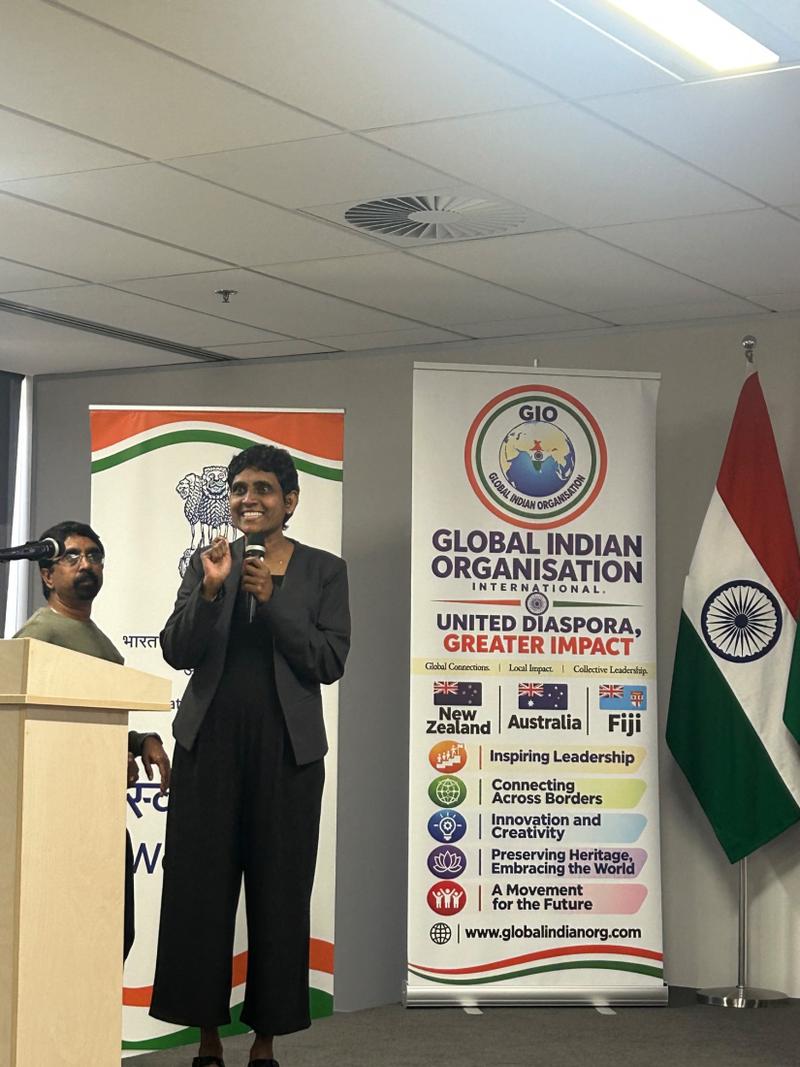
Dr Pooja, a yoga and holistic wellness professional, brought an interactive dimension to the gathering through her presentation on self-empowerment.
She encouraged women to recognise their existing strengths rather than believing they needed to become someone different before pursuing their ambitions.
Dr Pooja highlighted self-awareness, emotional resilience, responsibility, continuous learning and positive thinking as important foundations for personal and professional growth.
She explained that economic independence was not simply about earning money, but also about dignity, freedom of choice, financial security and decision-making power.
Encouraging participants to establish specific and measurable goals, she explained how small, consistent actions could help turn ambitions into achievable outcomes.
She also emphasised the importance of maintaining physical and mental well-being while navigating the pressures of entrepreneurship.
“In the kitchen, you might have just four walls, but for your vision, no boundary,” she said.
Her message encouraged women to move from competition towards collaboration, recognising that collective progress can create lasting opportunities for individuals, families and communities.
Ravi G: Start small, test demand and take technology beyond borders
Ravi G, an Auckland-based technology professional and entrepreneur representing Webfit Group of Companies , addressed the gathering on business opportunities across New Zealand, India and Australia.
Drawing on nearly two decades of professional experience in technology, Gupta encouraged aspiring entrepreneurs to focus on practical execution rather than waiting for perfect circumstances.
His advice was straightforward: start small, understand market demand and expand gradually.
He encouraged women considering entrepreneurship to understand their target markets before committing substantial financial resources and, where possible, develop their businesses alongside existing employment.
Using the analogy of a pinch of salt, Gupta highlighted the importance of men supporting women’s entrepreneurial journeys through encouragement, understanding and practical assistance.
He shared his own experience of supporting his wife’s entrepreneurial ambitions and emphasised that women already possess the capabilities to build successful enterprises.
Gupta also highlighted how technology, digital platforms and media exposure could help small businesses reach customers beyond their immediate communities.
He extended an offer of support to aspiring women entrepreneurs through technology, professional guidance and media visibility.
Looking ahead to 2027, he expressed his desire to see more women taking their products and services beyond geographical boundaries.
He also encouraged participants to explore cross-border business opportunities, particularly between India, New Zealand and Australia, and stressed the importance of discipline, commitment and a professional approach to entrepreneurship.
Ghosh Majhi: The importance of sharing and caring
Community speaker Ghosh Majhi addressed the gathering on the importance of sharing, caring and collective responsibility.
He explained that meaningful community support involves more than financial assistance. It also requires people to share their experiences, knowledge, resources and opportunities.
His message centred on standing beside people during difficult circumstances, helping them build confidence and sharing knowledge that could contribute to their personal and professional growth.
Majhi highlighted the importance of emotional support, particularly for individuals navigating personal difficulties and uncertainty.
Drawing on the Indian philosophy of Vasudhaiva Kutumbakam, which regards the world as one family, he encouraged communities to work together beyond cultural and regional differences.
He also acknowledged Kapoor’s longstanding commitment to community development, praising her determination in bringing the initiative to the wider Indian diaspora.
His address reinforced the importance of turning compassion into practical action and helping others discover their own potential.
Laukesh Lal receives GIO International Men’s Day Award 2026
Alongside the launch of Mahila Griha Udyog Worldwide, the gathering celebrated the achievements of Laukesh Lal, a Fiji-based businessman, technology professional and community leader.
Dr Madan Mohan Sethi presented Lal with the GIO International Men’s Day Award 2026, recognising his contribution to community service and diaspora engagement.
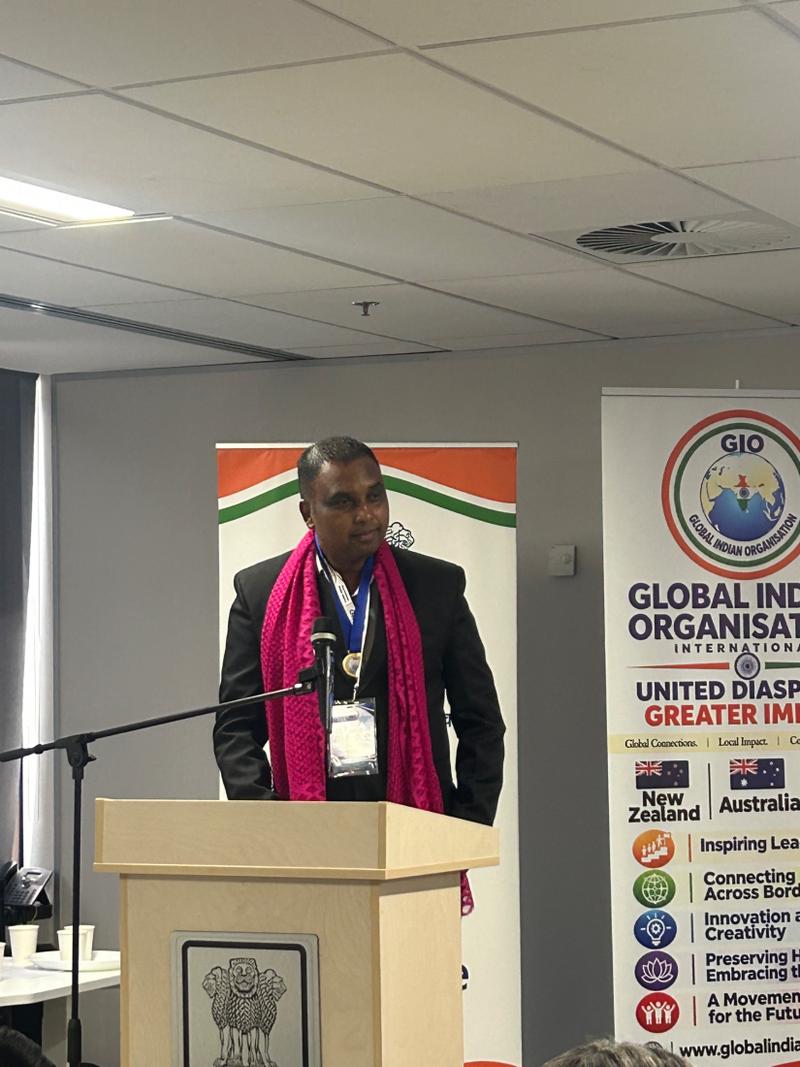
The international awards ceremony was held at the InterContinental Paris Le Grand on 14 November. Lal was unable to attend due to visa processing delays, leading to the special presentation in Auckland.
A fifth-generation descendant of Indian indentured labourers, Lal delivered a deeply personal address reflecting on his family’s history and the hardships endured by Fiji’s Girmitiya community, including poverty, displacement, landlessness and separation from their ancestral homeland.
He recalled growing up in difficult circumstances and losing his father, who died at the age of 42. Despite those challenges, his mother ensured that education remained central to his life.
His journey reflected the resilience of generations of Indo-Fijians who transformed adversity into achievement through education, enterprise and community service.
“Community service is not about recognition. It is about responsibility,” he said.
For Lal, the international recognition represented something greater than individual achievement.
He acknowledged the leadership of Global Indian Organisation International, Suman Kapoor and those who had nominated, supported and encouraged him throughout his journey.
Men’s mental health and the meaning of strength
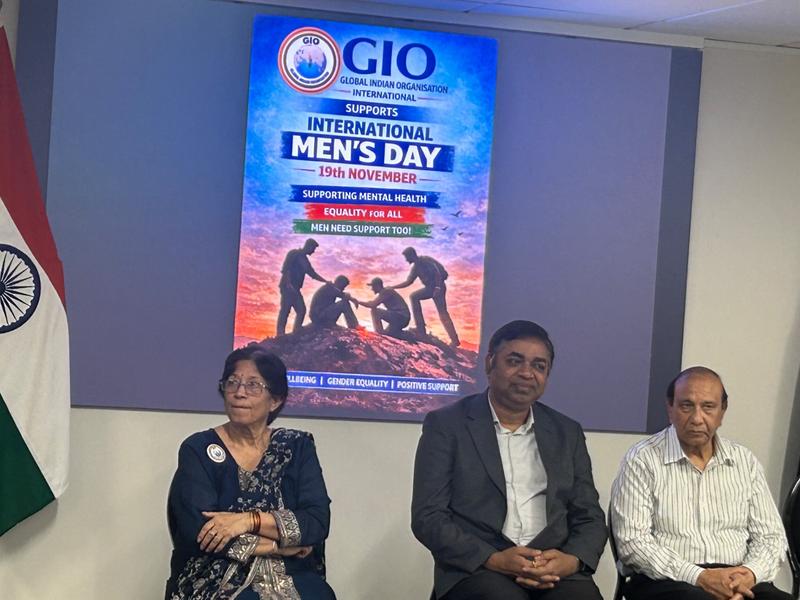
The International Men’s Day celebration also provided an opportunity to address the emotional pressures experienced by men and boys.
Kapoor highlighted GIO International’s efforts to encourage open conversations about men’s mental health and challenge the stigma surrounding emotional vulnerability.
Lal reinforced that message during his acceptance speech.
“We often tell men to be strong, but sometimes we forget to ask them whether they are okay,” he said.
He encouraged men to recognise that genuine strength includes compassion, listening, seeking help and supporting others.
Accepting the award on behalf of Fiji and the wider Girmitiya community, Lal called on the global Indian diaspora to continue contributing to education, peaceful nation-building, community service and cultural preservation.
Kapoor also acknowledged previous award recipients, including journalist Venkat and community contributor Raj Bedi, explaining that the recognition celebrates meaningful contributions across different fields rather than comparing individual achievements.
She encouraged community members to identify and nominate deserving individuals from New Zealand for future international awards.
Bringing community leaders together
The programme was hosted by Tanya, who guided the gathering through the official launch, speaker presentations, discussions and award ceremony.
Throughout the event, she encouraged audience participation and highlighted the importance of creating opportunities through collaboration, mutual respect and practical support.
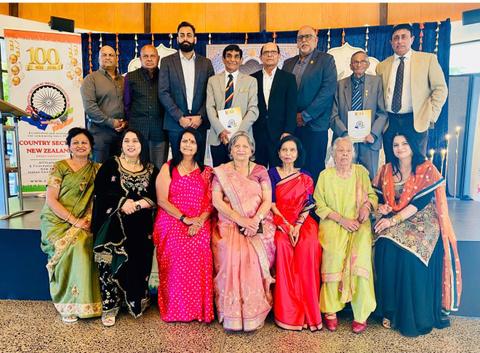
The official launch brought together speakers, dignitaries and community representatives, including Krishi Priya, Yatish, Ganjanaben from Gujarat Samaj, Tarun and representatives associated with Shanti Niwas, alongside members of various community organisations.
Their participation reflected the wider collaborative spirit behind the initiative, which aims to bring together people from different professional, cultural and regional backgrounds.
The involvement of established community leaders, business professionals and younger participants also highlighted the importance of sharing knowledge across generations.
A jar of lemon pickle and a much bigger ambition
As the gathering drew to a close, Kapoor offered attendees homemade lemon pickle, a simple example of the kind of household product that could potentially become a commercial enterprise.
It was a fitting conclusion to an afternoon spent discussing entrepreneurship, international trade and economic independence.
The next challenge for Mahila Griha Udyog Worldwide will be translating these conversations into functioning businesses, establishing support networks, securing appropriate funding and helping entrepreneurs reach new markets.
With Kapoor’s leadership, encouragement from the Consul General and contributions from experienced professionals, the initiative has established a starting point for women seeking to turn their abilities into economic opportunities.
The gathering also delivered a broader message: women’s empowerment, men’s well-being and community development are not separate ambitions. Each becomes stronger when people work together.
For Mahila Griha Udyog Worldwide, the Auckland launch represents a humble beginning with ambitions that extend well beyond New Zealand.
Webfit News attended the event as an official media partner, with Ravi Pratap Gupta representing the organisation as an invited guest speaker.