The Role of Kiwi Indians in Bridging the Gap
What makes this conversation different is the role of the Indian diaspora already living in New Zealand.
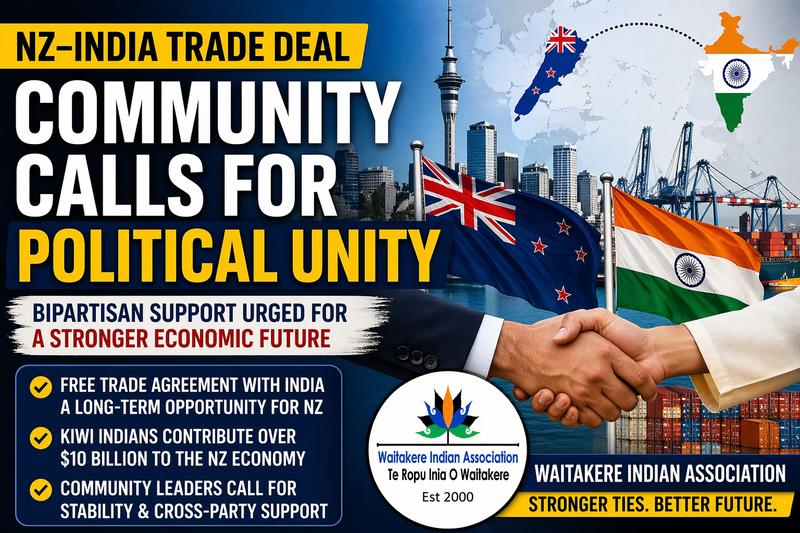
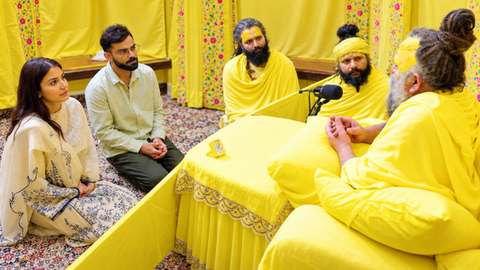
According to the association, Kiwi Indians are not just observers in this relationship. They are active connectors between the two countries.
“These are Kiwi Indians who are deeply connected to both countries. They link New Zealand and India through family networks, tourism flows, professional expertise, cultural exchange, and business connections,” Kaushal noted.
The numbers back that claim.
The association’s own economic report estimates that Indian communities contribute more than $10 billion annually to New Zealand’s economy through business activity, employment, and investment.
That is not a niche contribution. That is structural.
Beyond Politics: Call for Stability and Certainty
One of the strongest points raised in the statement is not about trade itself, but about consistency.
The association warned that large-scale agreements like this require long-term political alignment. Without it, businesses hesitate.
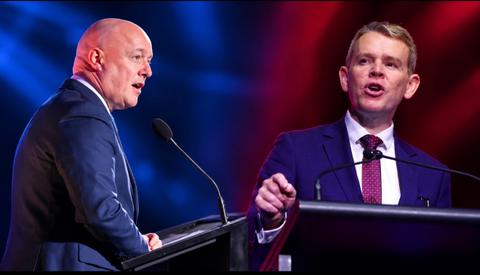
“Trade agreements of this scale require stability. Businesses make long-term decisions. They need to know that the direction is consistent, regardless of which party is in government,” the statement said.
This is where the pressure is being applied.
Not on policy details, but on political maturity.
Why This Matters Right Now
Negotiations for an NZ–India Free Trade Agreement have been discussed for years, but progress has often been slow and politically sensitive.
India protects key domestic sectors. New Zealand wants broader market access for exports like dairy, meat, and education services.
That tension has stalled momentum before.
But global dynamics are changing.
Countries are rethinking supply chains, diversifying trade partners, and looking beyond traditional alliances. In that context, India is no longer optional. It is strategic.
Webfit News Perspective
Let’s be blunt.
New Zealand has talked about India for years. But talk does not translate into trade.
What the Waitakere Indian Association is doing here is smart. They are shifting the narrative from government negotiation to community pressure.
And they are right on one thing.
If political parties keep treating this like a short-term talking point, the opportunity will pass.
India will not wait.
What Happens Next
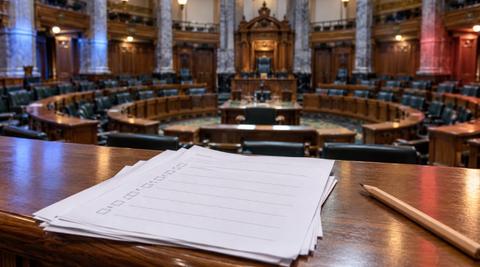
The association has urged leaders across Parliament to back the deal and move forward collectively.
“This is not about politics. This is about New Zealand’s future,” Kaushal said.
Now the question is simple.
Will New Zealand act like a small market reacting to the world…
or a smart one positioning itself inside it?
Reference
Waitakere Indian Association Press Release – 20 April 2026