Recent selections include:
Tāmaki
Papakura
Waitākere
Māngere
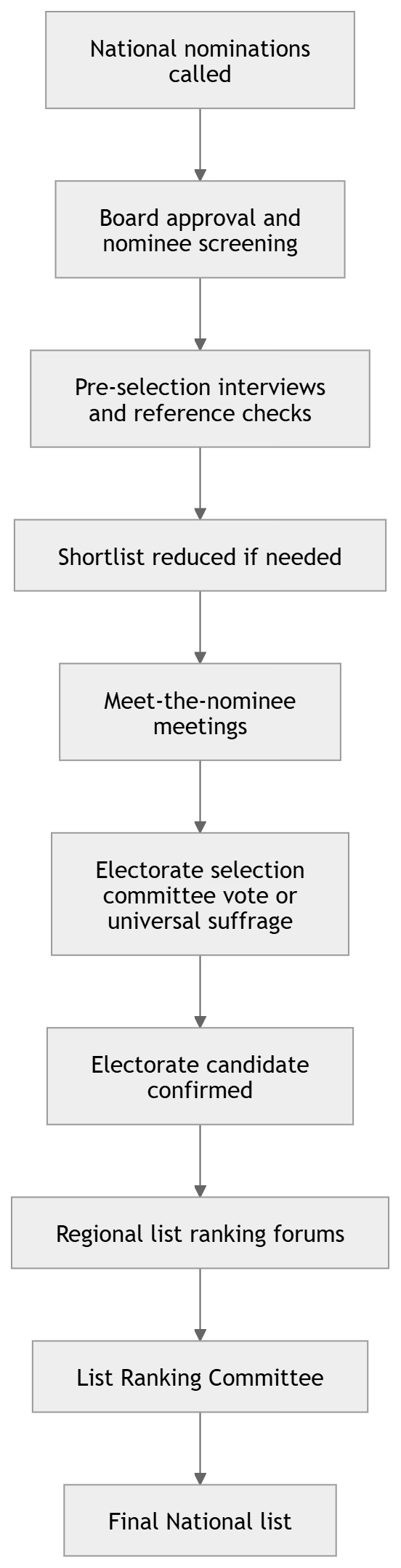
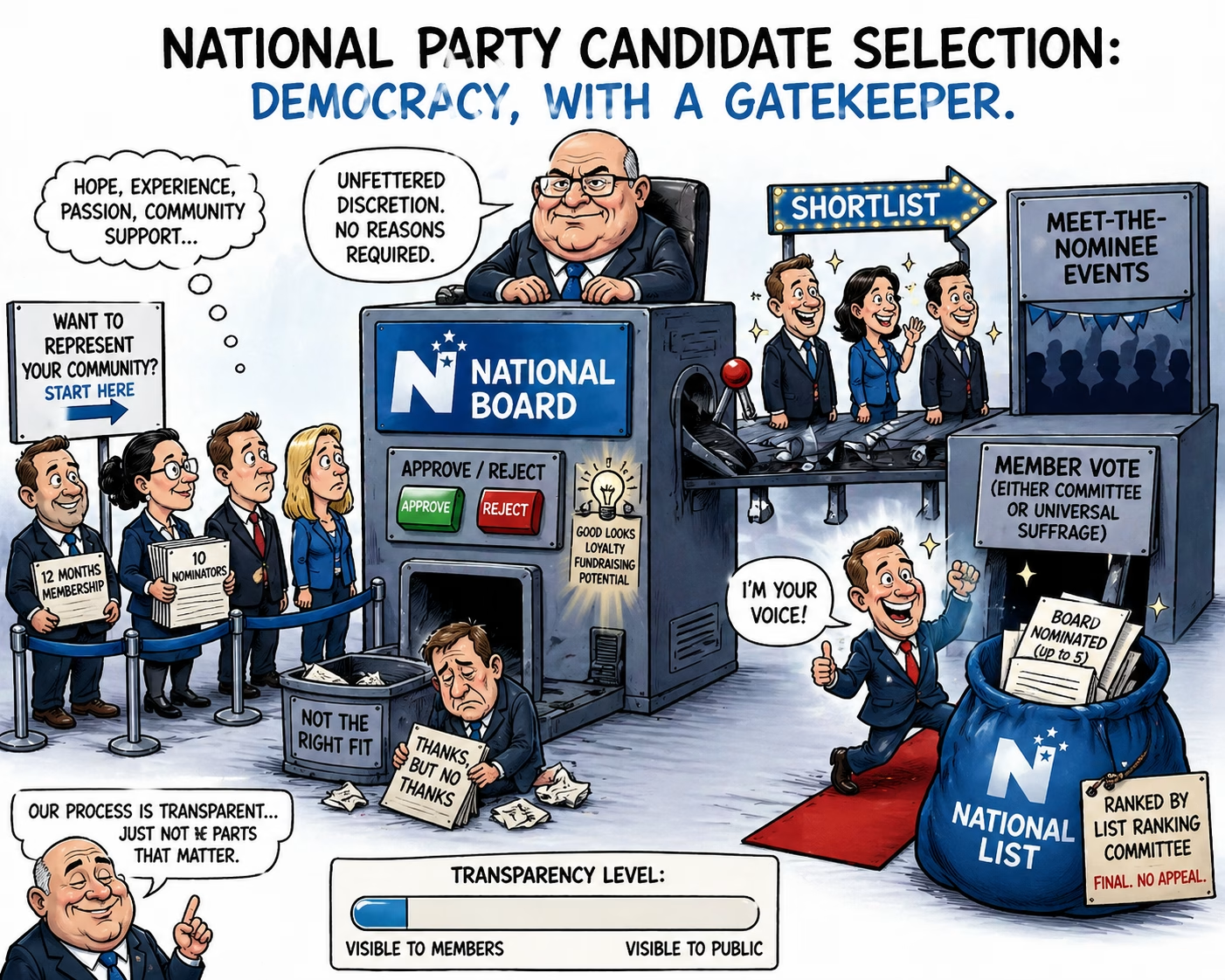
At first glance, this looks transparent. But the real control sits elsewhere.
What This Means
The key influence sits with the Party Board:
It can approve or reject candidates
It does not need to explain decisions
It can step in directly if local membership is weak
Local members get a vote at the end. But they do not control who reaches that stage.
Labour Party: Structured, Rule-Driven, Less Visible
Labour’s system is harder to track publicly, but far more detailed internally.
There is no rolling public notice system like the National. Instead, the process is driven centrally by the NZ Council.
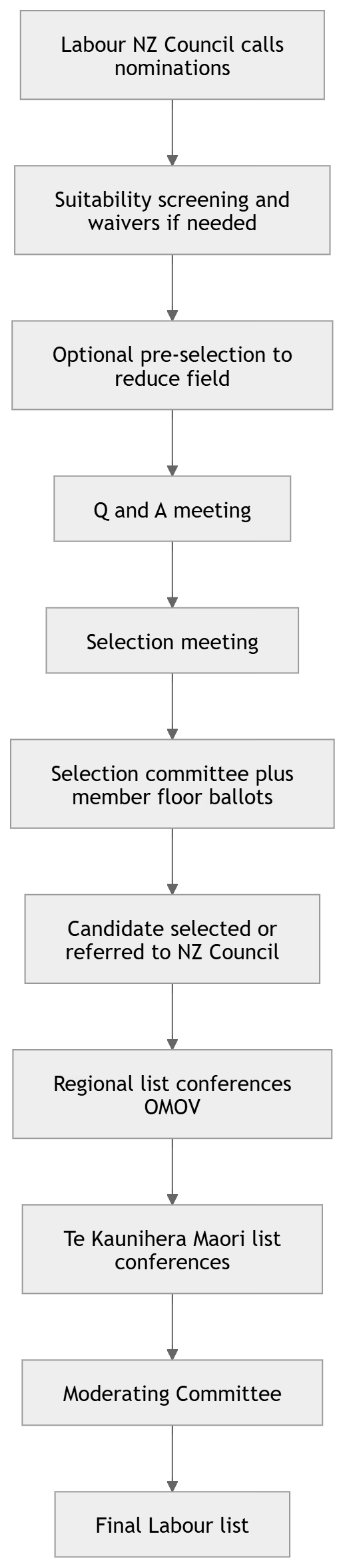
Labour Selection Workflow
What This Means
Labour builds control earlier:
NZ Council sets selection criteria
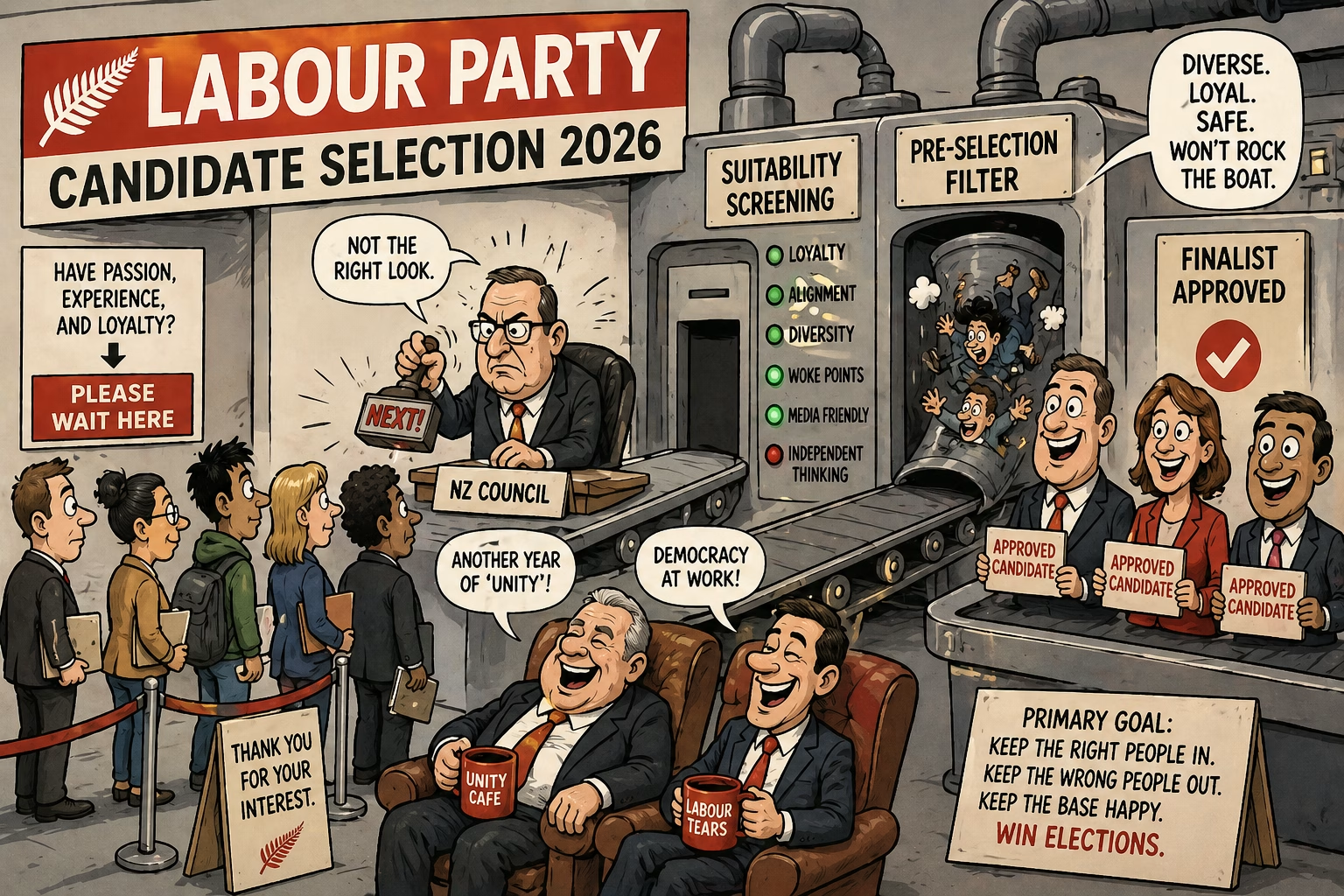
It can filter candidates before local voting
It can override decisions if needed
At the same time, members have structured input through ballots and list conferences.
The Real Difference: Where Power Sits
This is not about which system is better. It is about how they are designed.
Stage National Labour Early control Party Board NZ Council Local influence At final stage Shared with central Transparency Visible notices Limited public timeline Member role Voting at end Voting plus structured input Final authority Board NZ Council
Both systems are controlled. They just apply control at different stages.
The List System: The Quiet Decider
Under MMP, electorate seats are only part of the story. Party lists determine a large portion of Parliament.
This is where the biggest structural difference appears.
National
List ranking handled by committees
Limited member participation
Board can insert key candidates
Labour
Regional conferences use member voting
Diversity requirements are built into rules
Final list balanced by a Moderating Committee
This includes:
At least 50 percent women in the likely caucus
Representation across Māori, Pasifika, ethnic, and youth groups
This is not symbolic. It directly shapes who enters Parliament.
What We Are Seeing in 2026
National has moved early and visibly.
Confirmed Auckland selections show a clear strategy of locking candidates in early, giving them time to build presence and funding.
Labour’s approach is more selective.
Some candidates are confirmed publicly, but the overall rollout is less visible and more controlled internally.
The difference is strategic:
National prioritises speed and early positioning
Labour prioritises structure and controlled sequencing
Transparency vs Control
Neither system is fully transparent.
National shows you the process, but hides the decisions.
So the real question is not which is more democratic.
It is which model better balances control and participation?
Why This Matters for Auckland
Auckland is where elections are often decided.
These selection processes influence:
Who gets visibility in key seats
Who receives funding and support
How diverse representation becomes
Current Parliament trends show:
Around 48 percent women
Record Māori representation
Significant role of list MPs
These outcomes are not random. They are shaped at the selection stage.
Webfit News Perspective
This is the part most coverage avoids.
Candidate selection is not a neutral process. It is strategic, controlled, and designed to protect party outcomes.
National focuses on discipline and speed.
Both approaches limit how much real control ordinary members have.
And that matters.
Because by the time voters see candidates, most of the real decisions have already been made.
Final Word
If you want to understand the 2026 election, do not start with campaign speeches.
Start here.
Who gets selected?
That is where the election is truly shaped.