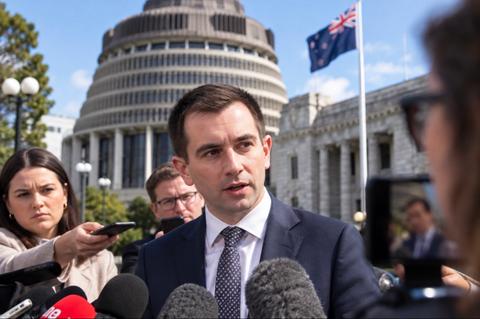
On Wednesday, party leader Chris Hipkins announced a package of rental reforms, promising to ban no-cause evictions, give tenants longer notice in certain circumstances and introduce stronger protections around property standards.
But with the general election approaching on 7 November, the question is not simply whether the proposals sound attractive.
Will they make renting genuinely more secure and affordable, or will New Zealand find itself revisiting the same housing debate after another election?
The Law Has Already Changed Twice
New Zealand’s rules around ending tenancies have become a political dividing line.
Labour removed the ability of landlords to terminate periodic tenancies without a specified reason through reforms introduced in 2020.
The National-led government reversed that position, with no-cause terminations returning on 30 January 2025.
Under the current law, landlords can end a periodic tenancy without giving a reason by providing 90 days’ notice.
A shorter 42-day notice period applies in certain circumstances, including when an owner or family member intends to move into the property or when an unconditional sale requires vacant possession.
Labour now proposes reversing those changes again.
For renters, this would provide greater protection against termination without a specified reason.
For landlords, it would reduce flexibility when deciding to end a tenancy.
Both consequences matter.
The broader issue is that tenancy law has become subject to repeated changes of government, creating uncertainty for people on both sides of rental agreements.
What Labour Is Actually Promising
Labour’s package goes beyond eviction notices.
The party proposes six main changes:
- Ending no-cause evictions: Landlords would need a legally valid reason to terminate a tenancy.
- Longer notice periods: Tenants would receive 63 days’ notice when an owner or family member intends to move in, and 90 days for specified circumstances involving a sale, renovation or change of use.
- Safer rental properties: Landlords would have an explicit duty of care to address serious hazards, with proper curtains or blinds added to Healthy Homes requirements.
- Fewer routine inspections: Insurers would be prevented from requiring routine rental inspections more frequently than every six months.
- Property management standards: Labour would establish clearer rules governing property managers.
- Stronger boarding house oversight: The party wants better protections for people living in boarding accommodation.
Hipkins argues that tenants who meet their obligations should have greater confidence that they can remain in their homes.
Housing spokesperson Kieran McAnulty says renting should not prevent families from establishing long-term connections with schools and communities.
The proposals would change several aspects of rental regulation, but their effectiveness would depend on the legislation and enforcement arrangements eventually introduced.
The Missing Piece: What Happens to Rent?
One of the most important questions is also one the announcement does not directly answer.
Will any of these changes reduce the amount tenants pay each week?
The package focuses primarily on security, safety and the relationship between landlords and tenants.
It does not propose a general reduction in rents.
Consider a household paying $700 a week.
That amounts to $36,400 a year before electricity, groceries, transport and other living expenses.
A ban on no-cause evictions could reduce the risk of an unexpected move.
Better property standards could improve living conditions.
But neither measure automatically reduces that household’s weekly rent.
Housing affordability is influenced by several factors, including supply, demand, household incomes, financing costs and local market conditions.
Labour has linked its rental reforms to a wider housing programme, including restarting Kāinga Ora construction and expanding pathways into home ownership.
Those measures may affect housing availability over time.
However, the rental announcement does not provide evidence that its proposed tenancy changes would produce an immediate reduction in rents.
That distinction is important for households trying to understand what the policy would mean for their budgets.
A Fair Deal for Renters Must Also Be Workable for Landlords
Landlords have legitimate interests in protecting their properties, responding to damage, managing unpaid rent and recovering homes for lawful reasons.
A tenancy system needs to protect those interests while preventing unfair treatment of tenants.
Labour’s proposal would not mean landlords could never end a tenancy.
It would mean they must rely on legally recognised grounds rather than ending a periodic tenancy without stating a reason.
The practical challenge lies in how disputes would be resolved.
What happens when a landlord alleges serious damage but the tenant disputes responsibility?
How quickly could a landlord regain possession when rent is repeatedly unpaid?
What evidence would be required?
And how long would tenants and landlords wait for a decision?
These questions matter because stronger legal protections are most useful when both parties can access a timely and fair resolution process.
Labour has not yet set out all the detailed procedures that would apply under its proposed system.
The Inspection Proposal Needs a Closer Look
Labour also wants to reduce unnecessary rental inspections.
Hipkins has argued that tenants who are meeting their obligations should not face repeated disruption.
There is a reasonable privacy concern here.
A rental property is someone’s home, even when another person owns it.
But there is an important distinction between limiting unnecessary inspections and preventing landlords from checking whether a property is being properly maintained.
Under current tenancy guidance, routine inspections can generally take place no more frequently than once every four weeks, subject to notice requirements.
Labour’s proposal specifically targets insurers requiring routine inspections more often than every six months.
That does not necessarily mean landlords would be prohibited from conducting every other type of inspection.
The distinction needs to be clear in any eventual legislation.
Inspections can identify leaks, moisture problems, damage and maintenance issues before they become more expensive or dangerous.
The policy will need to explain how insurers, landlords and tenants can manage those risks without imposing unnecessary intrusions into people’s homes.
Property Managers: Who Holds Them Accountable?
Another potentially significant part of Labour’s announcement concerns property managers.
Hipkins has suggested that the industry needs clearer professional standards as more landlords use property managers to deal with tenants.
That raises practical questions.
Should property managers be required to hold professional qualifications?
Should there be mandatory registration?
What happens when a manager mishandles a bond, ignores maintenance requests or fails to communicate with a tenant?
And who should investigate complaints?
Labour has promised clearer rules but says further consultation would be needed.
Until the details are published, it remains uncertain whether the proposed changes would create a licensing system, new conduct requirements or another form of oversight.
For tenants and landlords dealing with property managers every day, those details could matter more than the political announcement itself.
Boarding Houses and the Lessons of Loafers Lodge
Labour has also promised stronger oversight of boarding houses.
Hipkins linked the proposal to unfinished work following the Loafers Lodge tragedy in Wellington.
The 2023 fire exposed serious questions about safety in accommodation used by people who may have limited housing alternatives.
Boarding houses can accommodate people facing financial hardship, housing insecurity or other difficult circumstances.
Their residents may have fewer options when conditions are poor.
Labour says stronger safeguards are needed, but the announcement does not yet specify the inspection regime, enforcement powers or additional resources that would support those protections.
A commitment to improve oversight is one thing.
Ensuring dangerous conditions are identified and addressed before people are harmed is another.
What About People Who Want to Buy Their First Home?
Labour is presenting the rental package alongside its wider housing proposals.
These include expanding access to First Home Loans, introducing a rent-to-buy pathway for eligible public and community housing tenants, and restarting Kāinga Ora’s building programme.
The connection is significant.
Many renters do not necessarily want to remain tenants indefinitely.
They want a realistic opportunity to buy a home.
But security of tenure and home ownership are different policy challenges.
A household might benefit from stronger rental protections while still being unable to save a deposit.
Likewise, easier access to low-deposit lending does not automatically make a home affordable.
If additional buyers compete for a limited number of properties, some benefits of increased purchasing power can be reflected in prices.
That is why housing supply remains central to any serious discussion about affordability.
Labour’s broader programme acknowledges supply through its proposed public housing construction, but the eventual results would depend on the scale, location, cost and timing of new homes.
Is This an Election Promise or a Deliverable Plan?
The timing of the announcement matters.
Advance voting is underway, and political parties are presenting their final policy commitments before election day.
Labour has clearly identified changes it wants to make.
Some, such as restoring restrictions on no-cause terminations, build on laws that previously operated in New Zealand.
Others, particularly the proposed landlord duty of care, property management standards and boarding house oversight, require more detailed explanation.
There are still questions that voters, tenants and landlords should be asking.
How quickly would the changes be introduced?
What would implementation and enforcement cost?
Would the Tenancy Tribunal receive additional resources to handle disputes?
How would compliance be monitored?
What safeguards would prevent misuse of termination grounds?
And how would the government measure whether the reforms had actually improved housing security?
These are not arguments for or against the policy.
They are the practical questions that determine whether a campaign commitment becomes an effective law.
The Real Test Comes After Election Day
Labour’s proposal identifies a genuine tension in New Zealand’s rental system.
Tenants need stability, safe homes and protection from unfair treatment.
Landlords need clear rules, reasonable property protections and workable processes when tenancies break down.
A functioning rental market depends on both.
Labour says it can improve that balance by restoring restrictions on no-cause evictions and introducing additional safeguards.
The National-led government has taken a different approach, restoring greater flexibility for landlords to terminate periodic tenancies.
The competing approaches reflect different priorities about security and property rights.
But neither approach, by itself, resolves New Zealand’s wider housing affordability problem.
For a family worried about being forced to move, stronger tenancy protection could make a meaningful difference. For a family struggling to pay rent every week, the financial pressure would remain.
That is the distinction voters should understand.
The election will determine which direction tenancy law takes next.
Whether that direction produces safer, more secure and more affordable housing will depend on what happens after the promises are made.
Sources: RNZ, Lillian Hanly, 28 October 2026; New Zealand Labour Party rental policy announcement; Tenancy Services; Residential Tenancies Amendment Act 2024.