New Zealand’s competitive 198 is overshadowed by a historic Indian run chase in Wellington. Daryl Mitchell praises an exceptional opponent, Bhuvneshwar Kumar explains India’s tactical success, and the Black Caps turn their attention to Eden Park.
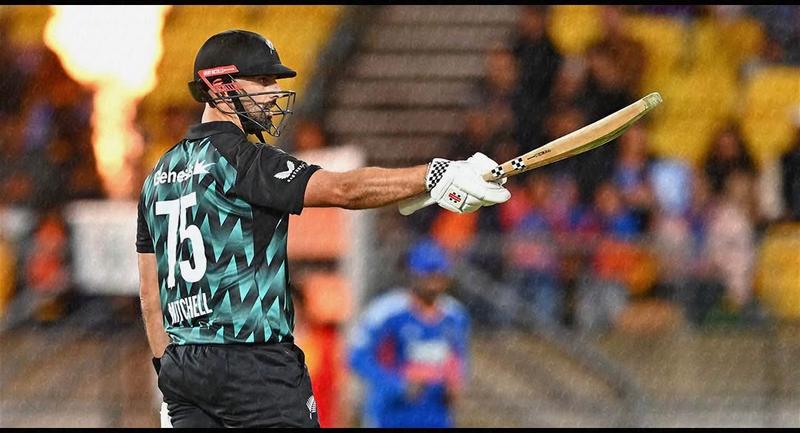
WELLINGTON, 28 October 2026: New Zealand had every reason to believe they had done enough. Daryl Mitchell had produced a superb unbeaten 89, Finn Allen had attacked India’s bowling with confidence, and Bevon Jacobs had helped the Black Caps reach a competitive 198 for three.
What followed was one of the most extraordinary run chases witnessed in T20 international cricket.
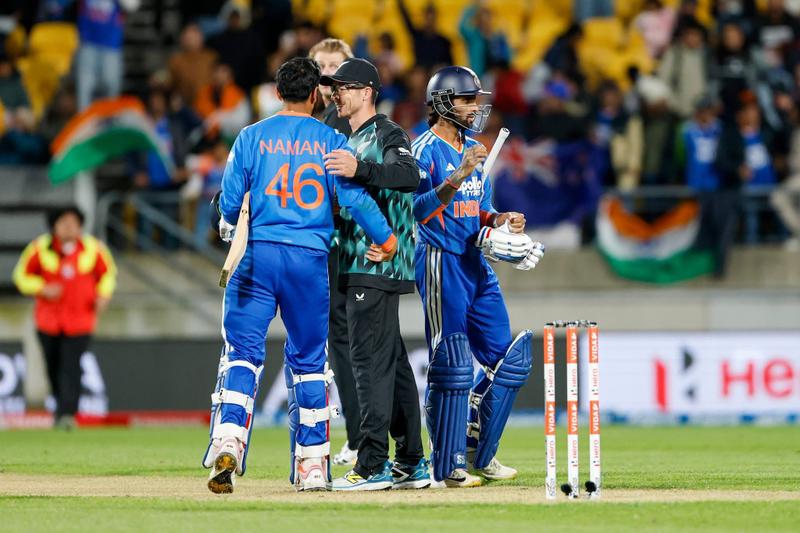
India reached 199 for four in just 13.2 overs on Tuesday night, winning the third T20 International by six wickets with 40 balls remaining and securing an unassailable 3-0 lead in the five-match series.
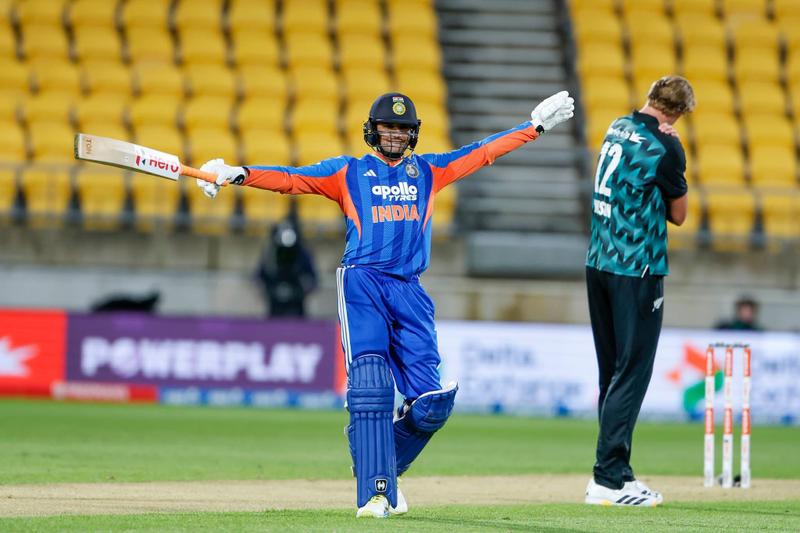
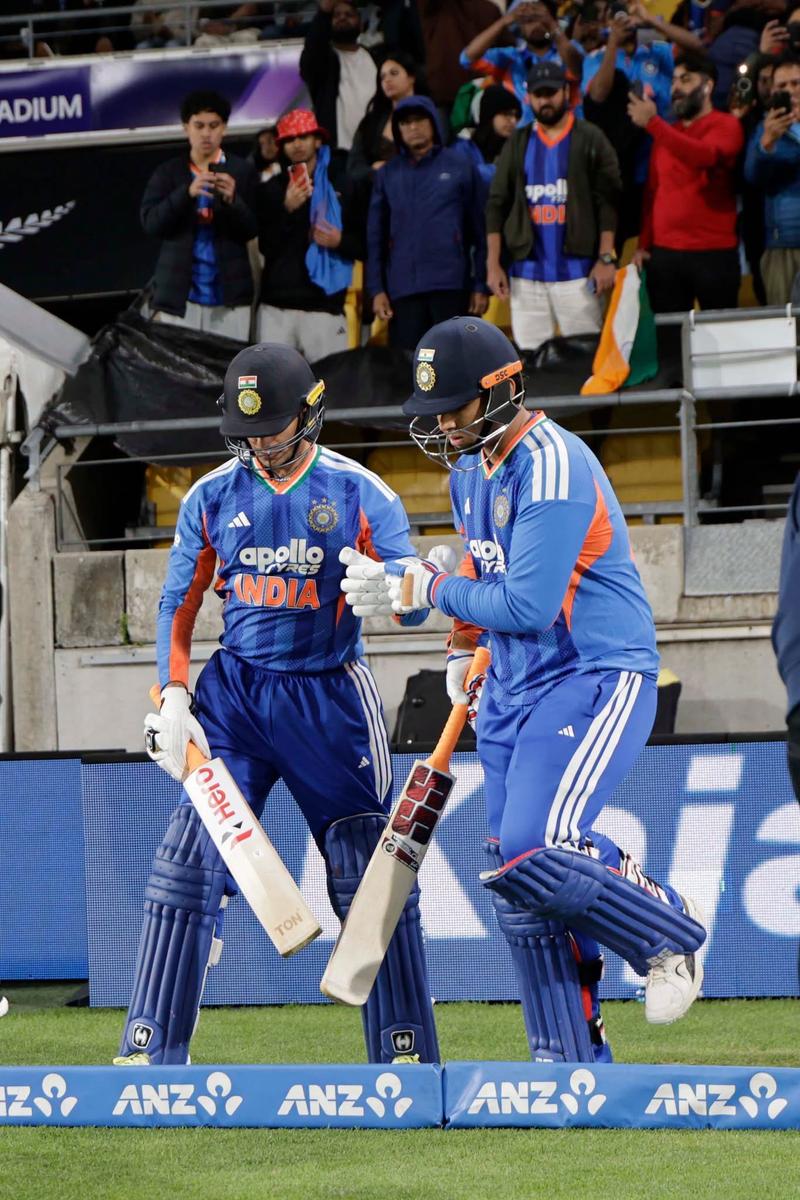
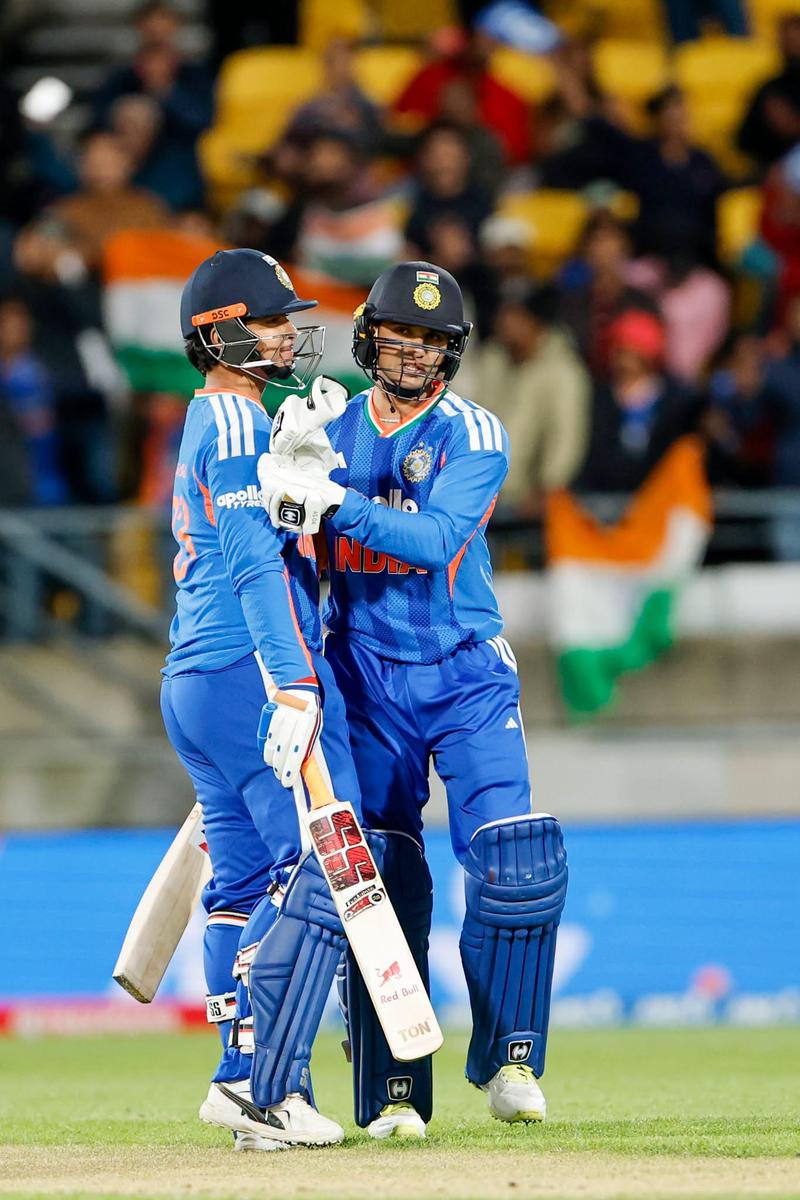
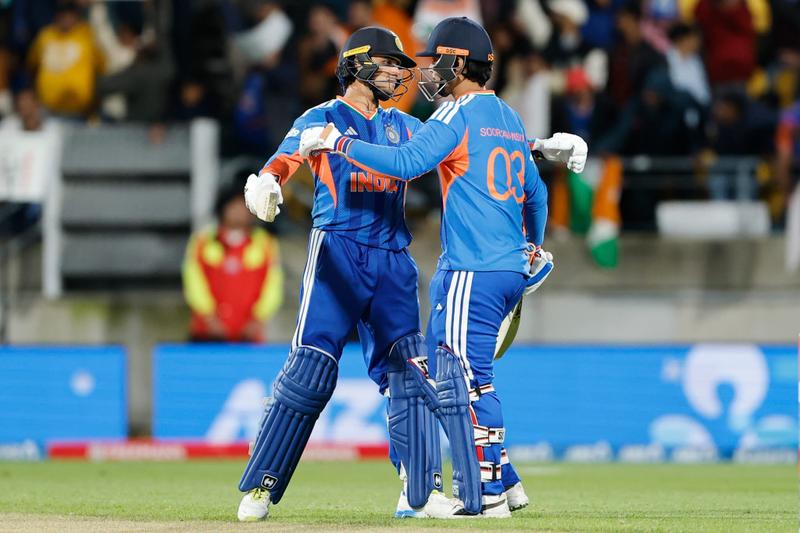
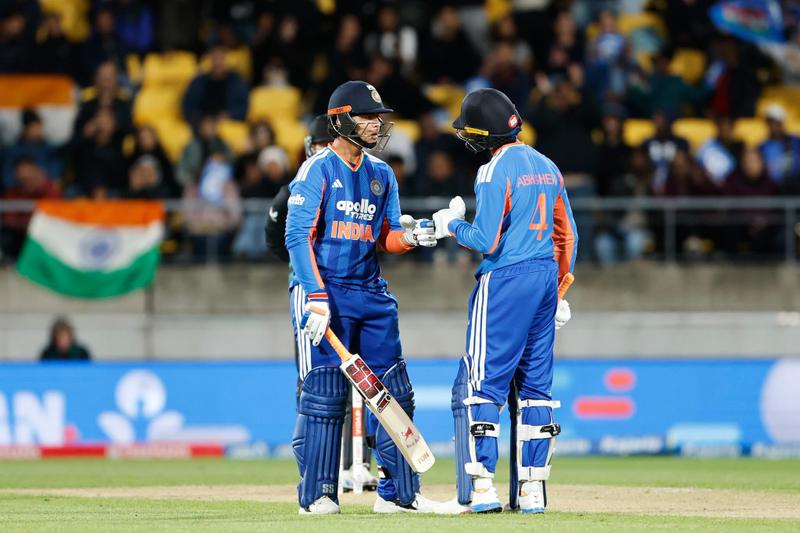
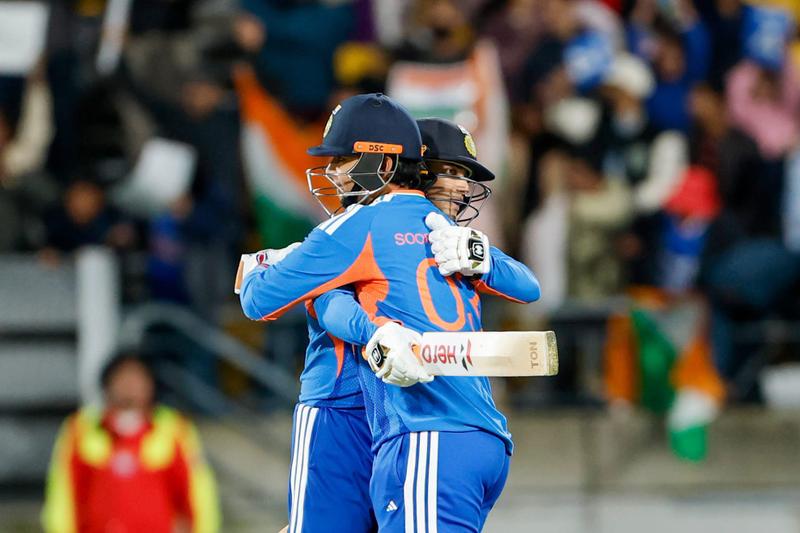
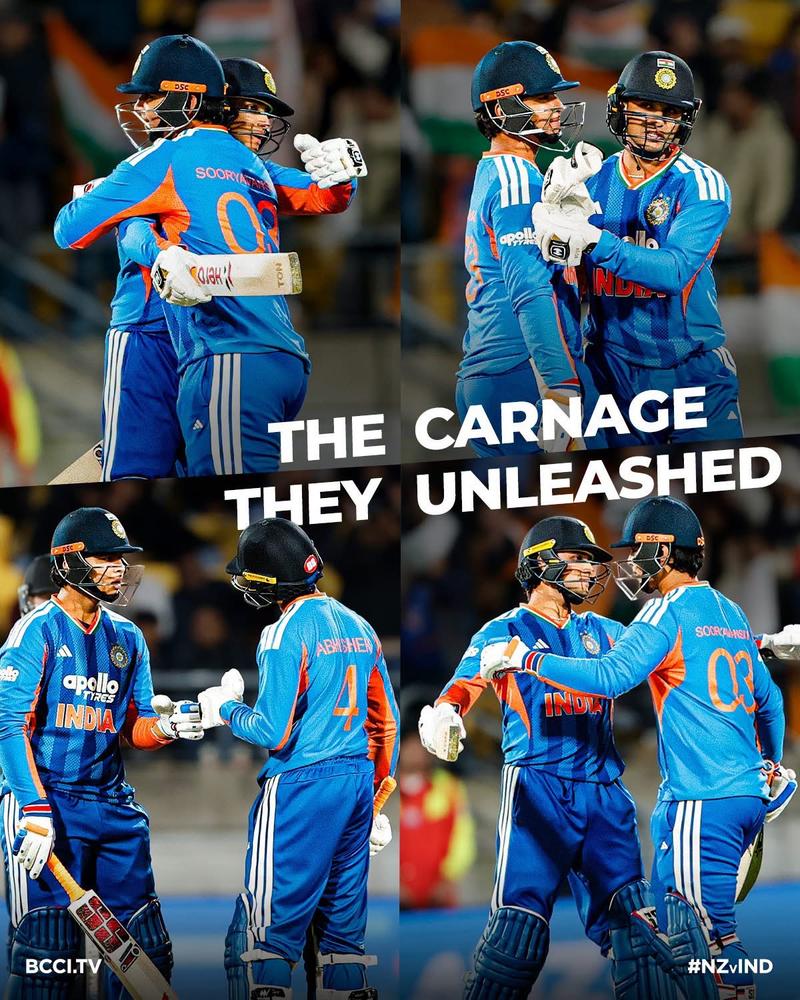
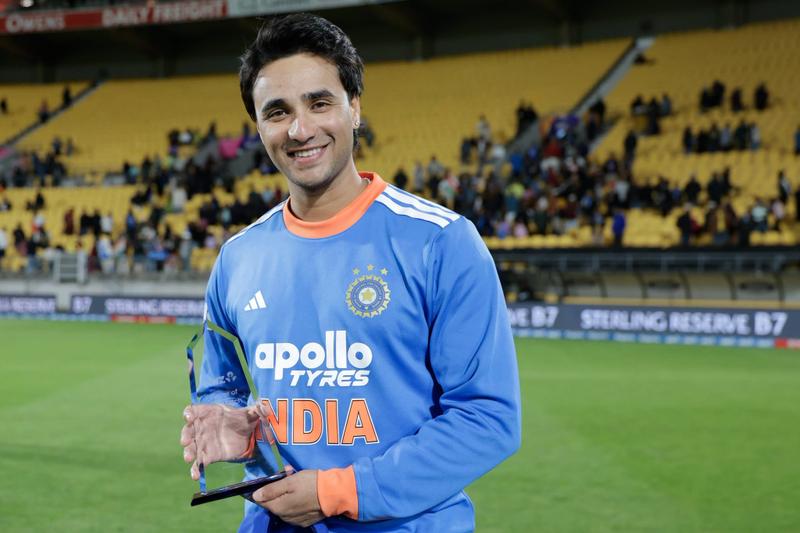
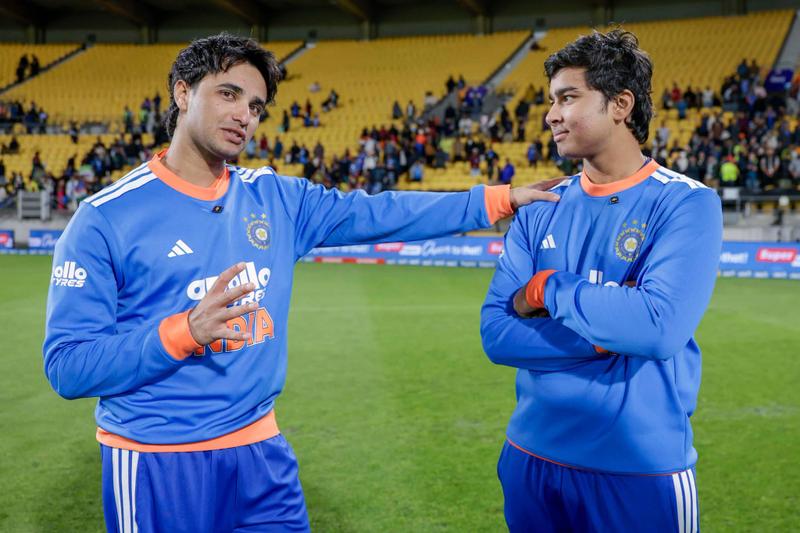
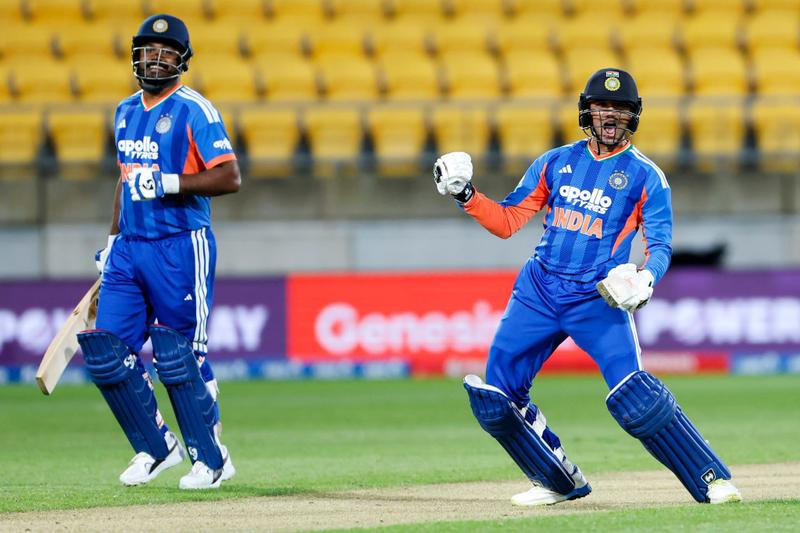
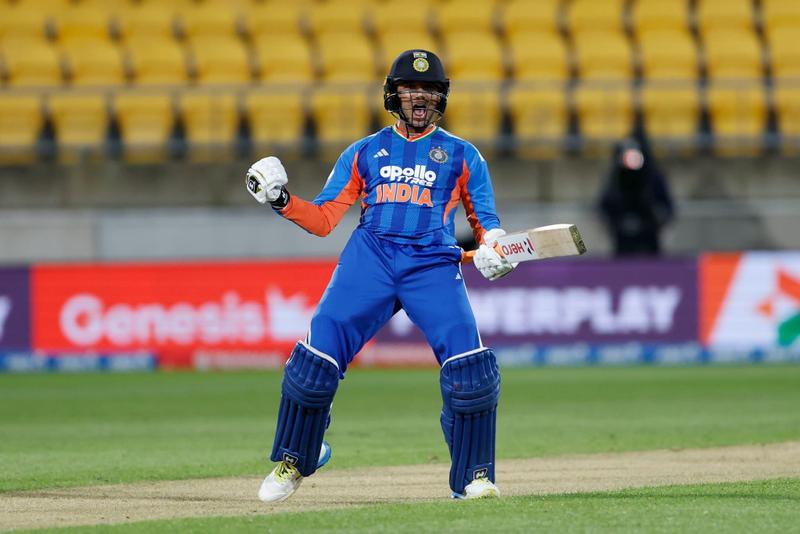
Abhishek Sharma delivered a breathtaking 113 from 38 balls, reaching his century in just 35 deliveries. Alongside 15-year-old Vaibhav Sooryavanshi, who scored 45 from 19 balls, he transformed a challenging target into a record-breaking exhibition of attacking cricket.
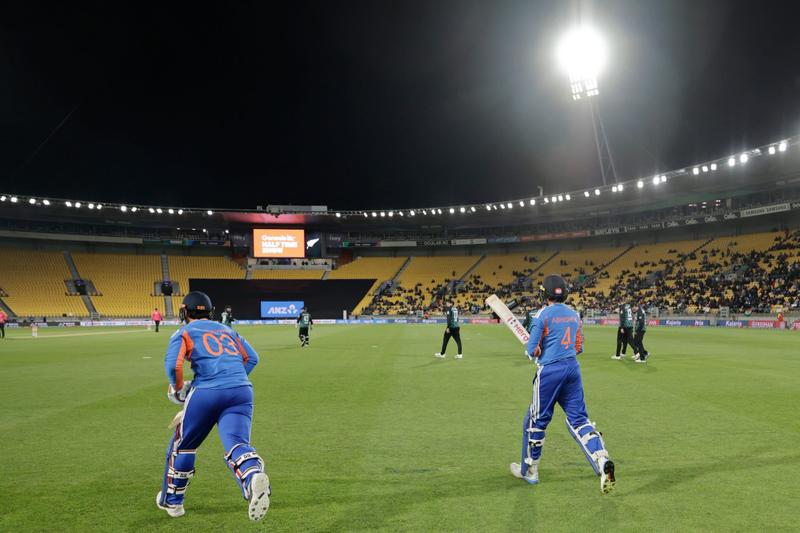
The opening pair added 133 runs in just 7.1 overs, setting several new benchmarks along the way.
Yet the result should not overshadow New Zealand’s contribution to the contest.
Mitchell’s innings was a demonstration of experience, composure and attacking skill. Allen provided early momentum, while Jacobs showed why he is becoming an important option in the Black Caps’ batting lineup.
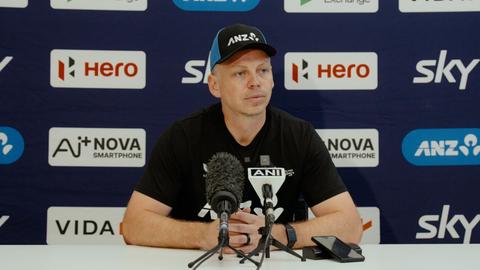
And after the match, Mitchell’s response was as impressive as his batting. Rather than searching for excuses, he acknowledged the brilliance of India’s performance and looked ahead to the opportunity to respond in Auckland.
Match at a Glance
Match detail
Result
Fixture
New Zealand vs India, 3rd T20I
Date
27 October 2026
Venue
Wellington, New Zealand
New Zealand
198/3 in 20 overs
India
199/4 in 13.2 overs
Winning margin
India by 6 wickets
Balls remaining
40
Series position
India lead 3-0
Player of the Match
Abhishek Sharma
Next fixture
30 October, Eden Park, Auckland
Daryl Mitchell Leads a Strong New Zealand Batting Performance
New Zealand’s innings was far more competitive than the eventual result might suggest.
After losing Tim Seifert early, the Black Caps rebuilt through Finn Allen and Daryl Mitchell, who combined for an 86-run partnership.
Allen scored 40 from 25 balls, striking five sixes and putting India’s bowlers under pressure during the opening overs.
Mitchell played the central role, finishing unbeaten on 89 from 52 deliveries. His innings included five fours and five sixes and demonstrated his ability to balance calculated aggression with the responsibility of batting deep into the innings.
Bevon Jacobs added an unbeaten 39 from 23 deliveries, sharing an unbroken 75-run partnership with Mitchell for the fourth wicket.
Together, they helped New Zealand reach 198 for three, a total that appeared competitive on a surface offering occasional seam movement and additional bounce.
New Zealand batting highlights
Batter
Runs
Balls
Strike rate
Daryl Mitchell
89*
52
171.15
Finn Allen
40
25
160.00
Bevon Jacobs
39*
23
169.57
Team total
198/3
120
9.90 runs/over
*Not out.
Mitchell’s performance was particularly encouraging given his relatively new role at number three.
Speaking after the match, he said he was enjoying the challenge of batting higher in the order and saw it as an opportunity to continue developing his game ahead of the 2028 T20 World Cup.
The innings also reinforced an important point: New Zealand possess batters capable of challenging leading international attacks.
At the halfway stage, the Black Caps believed they had a defendable score.
“I think 200 on that we were pretty confident with.”
Mitchell explained that the ball had occasionally held in the surface and offered extra bounce during New Zealand’s innings.
The expectation was that India’s batters would encounter similar challenges.
Instead, the visitors produced an extraordinary response.
Abhishek Sharma and Vaibhav Sooryavanshi Rewrite the Record Books
India’s opening pair made their intentions clear immediately.
Jacob Duffy’s first over went for 26 runs as Abhishek and Sooryavanshi attacked from the outset.
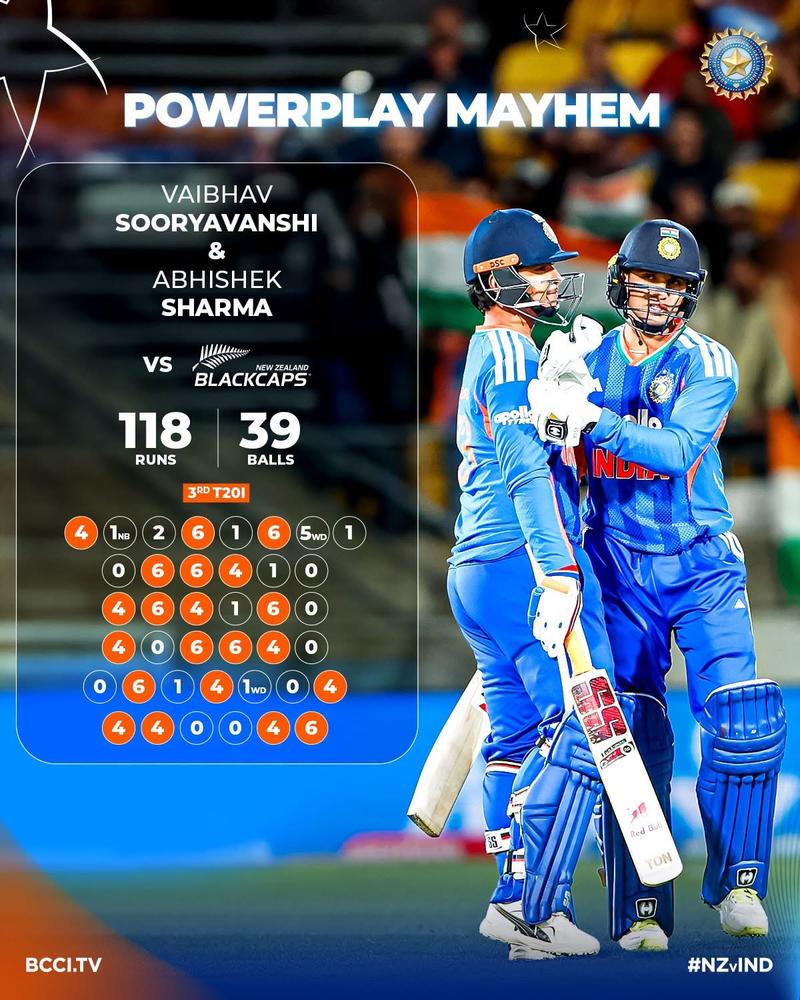
India reached 50 in just 2.2 overs and completed their first hundred after five overs.
By the end of the six-over powerplay, India were 118 without loss, establishing a new record for the highest powerplay total in men’s T20 International cricket.
The opening partnership eventually reached 133 in just 7.1 overs.
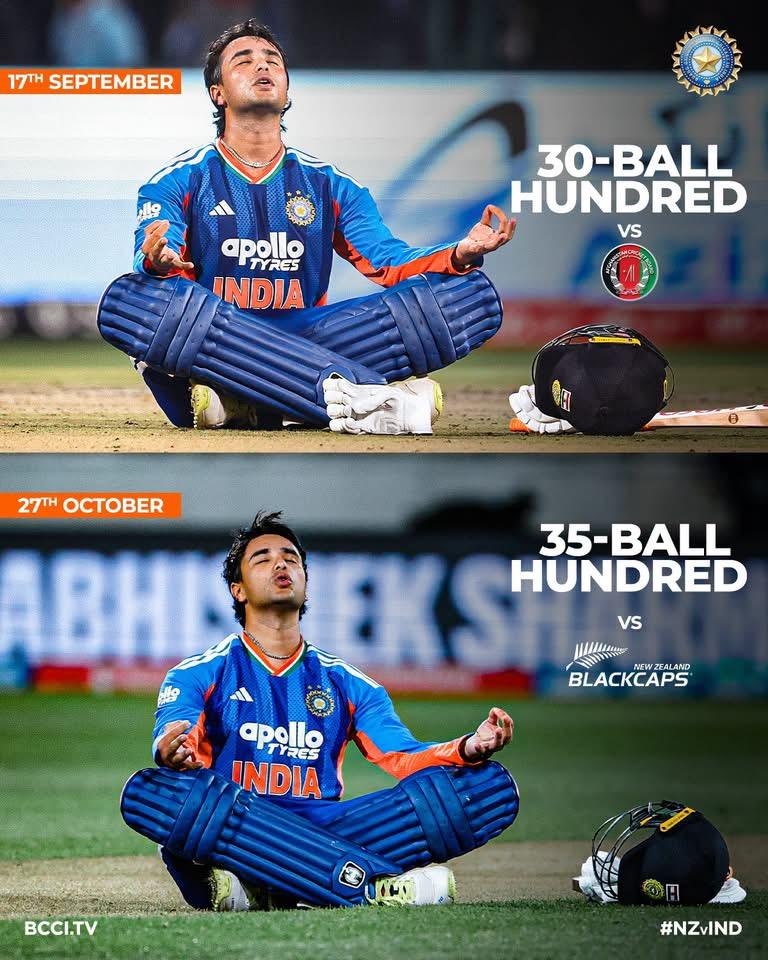
Abhishek raced to his half-century in 15 balls before completing his hundred in 35 deliveries.
His innings featured nine fours and 11 sixes, giving him a strike rate of 297.37.
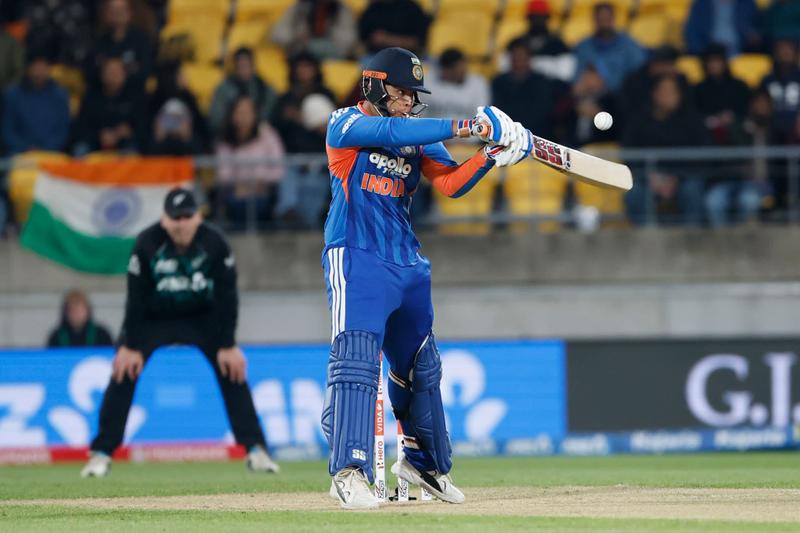
Sooryavanshi, still only 15, displayed remarkable confidence against an experienced international bowling attack.
The teenager’s 45 from 19 balls was an important part of the opening partnership and another indication of the extraordinary young batting talent emerging from India.
India eventually reached 199 for four with 40 balls remaining.
India batting highlights
Batter
Runs
Balls
Strike rate
Abhishek Sharma
113
38
297.37
Vaibhav Sooryavanshi
45
19
236.84
Team total
199/4
80
14.93 runs/over
For New Zealand’s bowlers, the opening assault left very little room for recovery.
Kyle Jamieson fought back to claim two wickets, while Mitchell Santner produced a disciplined spell, taking one for 17 from three overs.
Those contributions deserve recognition in a match where the opposition’s batting was exceptionally difficult to contain.
The Records That Made Wellington a Historic Night
India’s opening partnership produced a series of remarkable statistical milestones.
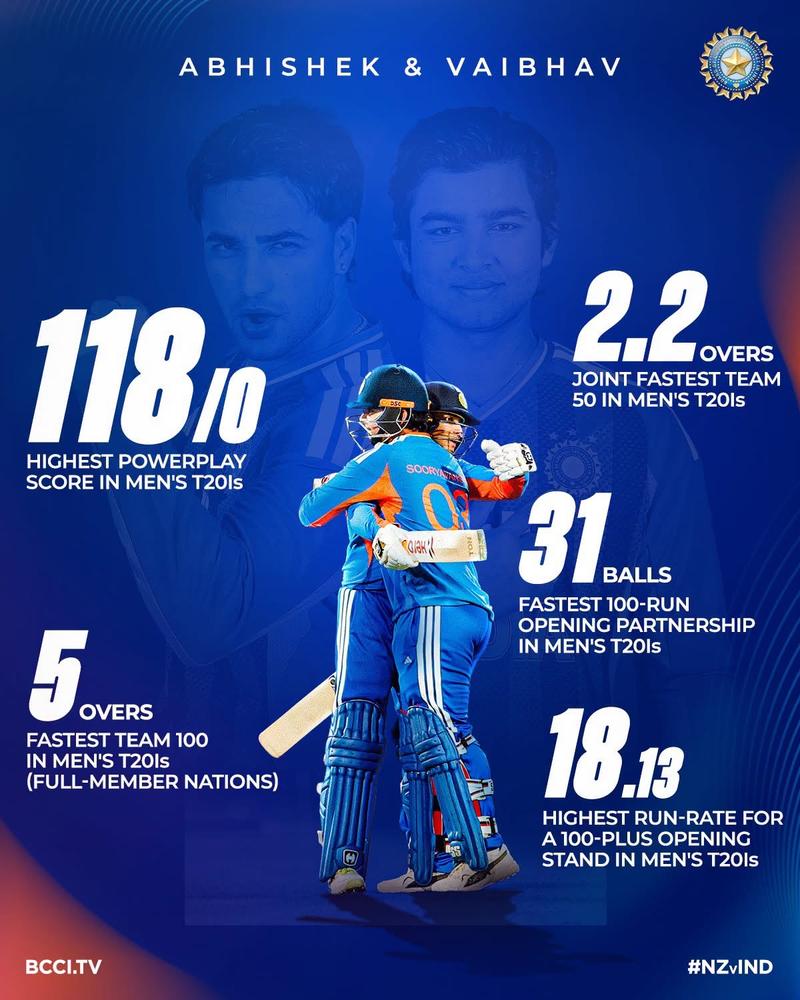
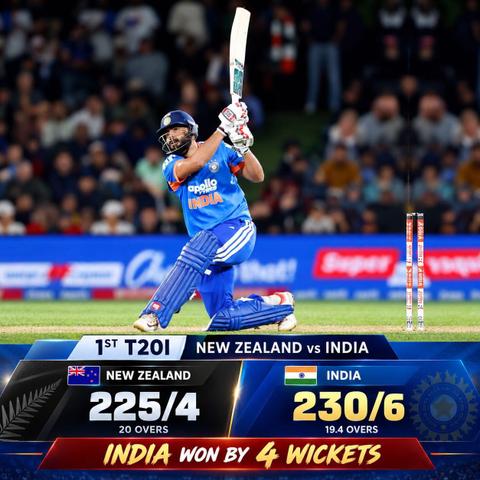
The following figures were highlighted in the official Board of Control for Cricket in India (BCCI) match graphics.
Record or milestone
Achievement
Significance
Highest powerplay score
118/0
Men’s T20I record
Fastest team fifty
2.2 overs
Joint-fastest in men’s T20Is
Fastest team hundred
5 overs
Fastest among Full Member nations
Fastest 100-run opening stand
31 balls
Men’s T20I record
Highest run rate in a 100-plus opening stand
18.13
Men’s T20I record
Opening partnership
133 off 43 balls
Abhishek and Sooryavanshi
Abhishek’s century
35 balls
One of the fastest among Full Member batters
Abhishek’s final score
113 off 38
Player of the Match
India’s successful chase
199 in 13.2 overs
Victory with 40 balls remaining
The statistics illustrate just how dramatically India’s approach has changed the expectations of modern T20 batting.
A target approaching 200 would ordinarily require sustained aggression across most of a 20-over innings.
India effectively decided the contest during the powerplay.
Their 118-run opening six overs left only 81 runs required from the remaining 14 overs.
The partnership also demonstrated how two aggressive batters can complement each other without sacrificing scoring momentum.
Abhishek was the dominant contributor, but Sooryavanshi’s willingness to attack prevented New Zealand from concentrating their plans on one batter.
Mitchell Praises India Without Making Excuses
One of the most significant moments of the evening came after the match.
Despite having played an outstanding innings himself, Mitchell was generous in his assessment of Abhishek’s performance.
“Some of that hitting was world class, and that’s why he is one of the best in the world at what he does.”
Mitchell acknowledged that New Zealand had tried different bowling plans against the Indian opening pair, but none had worked effectively on the night.
He also praised Sooryavanshi’s contribution, recognising how the teenager had built on Abhishek’s momentum.
What Daryl Mitchell said after the match
On New Zealand’s total: The Black Caps were confident that a score around 200 would be competitive given the conditions.
On Abhishek Sharma: Mitchell acknowledged the exceptional quality of the Indian opener’s hitting.
On Vaibhav Sooryavanshi: He praised the teenager’s batting and his ability to build momentum alongside Abhishek.
On New Zealand’s bowling: The team attempted several tactical adjustments but could not contain the opening partnership.
On missed opportunities: Mitchell recognised that small moments across the series could have changed the results.
On Eden Park: He emphasised the pride of representing New Zealand and the importance of responding in front of home supporters.
When questioned about fielding mistakes and dropped catches across the series, Mitchell did not attempt to shift responsibility.
His assessment was that Abhishek’s batting had been the decisive factor in Wellington.
It was a measured response from a player who had every reason to be frustrated.
Mitchell also acknowledged the difficulties of modern T20 cricket, where momentum can change within a handful of deliveries.
His message was that teams must continue adapting, identifying matchups and responding to the demands of each situation.
For New Zealand, the challenge is now to convert those lessons into stronger performances in the remaining matches.
Bhuvneshwar Kumar Explains India’s Preparation, Bowling Plans and Comeback
While Abhishek’s innings dominated the headlines, experienced Indian fast bowler Bhuvneshwar Kumar offered another perspective during the visitors’ post-match press conference.
Bhuvneshwar praised Abhishek’s batting, recognising the skill and consistency required to produce such performances repeatedly.
But he also emphasised that India’s success was built on more than aggressive batting.
Preparation, tactical awareness and collective execution were central to the team’s approach.
The experienced seamer also reflected on the pride of representing India again after several years away from international cricket.
He spoke about the importance of fitness, preparation and maintaining the determination to perform at the highest level.
Rather than focusing on the difficulties of his comeback, Bhuvneshwar highlighted the opportunity to contribute to the national side.
What Bhuvneshwar Kumar said after the match
On Abhishek Sharma: He credited the opener’s exceptional skills and the work required to produce such performances consistently.
On returning to international cricket: He spoke about the pride of representing India again and the preparation behind his comeback.
On difficult conditions: He acknowledged the challenges of travel, limited preparation and playing in Christchurch and Wellington without using them as excuses.
On India’s bowling: He highlighted the importance of discussing plans and adjusting lengths according to the venue.
On Nitish Kumar Reddy: He referred to discussions within the bowling group about deliveries that could trouble New Zealand’s batters.
On modern T20 cricket: He maintained that bowlers can still influence and control matches through skill, planning and execution.
His comments provided an important contrast to the record-breaking batting display.
India’s approach may appear fearless, but the performances are supported by detailed preparation and experienced players who understand how to adapt to different conditions.
New Zealand’s Aggressive Start Forces India to Change Their Bowling Strategy
The match was not entirely one-sided.
New Zealand had reached 88 for one after eight overs, with Allen and Mitchell attacking India’s shorter deliveries.
Wellington’s ground dimensions played an important role.
The relatively short square boundaries encouraged attacking shots through the leg side and square of the wicket, while the longer straight boundaries presented different challenges.
Bhuvneshwar explained that India discussed these dimensions and adjusted their bowling approach accordingly.
The team increasingly targeted fuller lengths, encouraging New Zealand’s batters to hit towards the longer boundaries.
Nitish Kumar Reddy’s dismissal of Allen for 40 proved an important turning point.
The Indian seamers subsequently found better control, with fuller deliveries and movement through the air restricting New Zealand’s scoring opportunities.
Mitchell continued to anchor the innings, but the hosts were unable to sustain the momentum established during the opening eight overs.
This was an important part of India’s victory.
The visitors did not simply overwhelm New Zealand with the bat. They also recognised the need to adapt their bowling plans after the Black Caps had made a strong start.
For New Zealand, the innings still provided encouraging evidence of the team’s batting potential.
Mitchell, Allen and Jacobs showed that the Black Caps could create pressure against a strong Indian attack.
The challenge was sustaining that pressure for the full 20 overs.
Has Modern T20 Cricket Become Too Difficult for Bowlers?
The extraordinary scoring in Wellington raised a wider question about the future of T20 cricket.
Are shorter boundaries, fielding restrictions and increasingly aggressive batting techniques making the format too difficult for bowlers?
Both Mitchell and Bhuvneshwar addressed the issue from different perspectives.
Mitchell acknowledged that modern T20 cricket is constantly evolving.
He recognised that supporters enjoy high-scoring matches and that momentum can change remarkably quickly.
For batters, the challenge is to continue finding ways to improve and adapt to different conditions.
Bhuvneshwar offered a bowler’s perspective.
He argued that bowlers still have the ability to influence matches because they initiate each delivery.
Even when conditions favour batting, bowlers can create opportunities through variations, accurate execution and an understanding of the batter’s intentions.
His comments reflected the experience of a player who has witnessed significant changes in T20 cricket.
The format may be increasingly aggressive, but experienced bowlers still believe there is room for tactical control.
For New Zealand, this debate is particularly relevant.
The Black Caps have traditionally relied on disciplined bowling, intelligent field placements and an ability to exploit conditions.
Those qualities remain valuable, but Wellington demonstrated how quickly even well-prepared attacks can come under pressure.
What the Black Caps Can Take From Wellington
The 3-0 series deficit will disappoint New Zealand supporters, particularly after the Black Caps reached the final of the 2026 T20 World Cup.
But the result should not erase the positive performances within the team.
Mitchell’s unbeaten 89 demonstrated the value of experience and adaptability.
Allen’s aggressive 40 showed that New Zealand possess players capable of attacking high-quality bowling from the outset.
Jacobs’ unbeaten 39 provided another encouraging sign of the batting depth developing within the squad.
Jamieson’s two wickets and Santner’s economical spell also showed that New Zealand’s bowlers can make an impact, even against an exceptionally aggressive batting lineup.
Key positives for New Zealand
Area
Wellington performance
Why it matters
Experienced batting
Mitchell 89*
Stability and acceleration at No. 3
Power hitting
Allen 40 off 25
Early pressure on India’s attack
Middle-order depth
Jacobs 39* off 23
Strong finishing contribution
Pace bowling
Jamieson 2 wickets
Ability to break partnerships
Spin control
Santner 1/17 in 3 overs
Valuable economy under pressure
Team character
Mitchell’s post-match response
Focus on improvement and resilience
Mitchell acknowledged that New Zealand had not played extensively together as a group in recent months.
He also suggested that certain moments in the opening matches could have changed the direction of the series.
Those observations do not diminish India’s achievements.
They reflect the reality that international T20 cricket is often decided by brief periods of exceptional performance.
In Wellington, India’s opening partnership was decisive.
New Zealand’s task is to find ways to interrupt that momentum earlier while continuing to build on their own strengths.
Different Cricketing Systems, Shared Ambition
India and New Zealand operate within very different cricketing environments.
India benefit from a vast playing population, extensive domestic competitions and the Indian Premier League, where young players regularly compete alongside established international stars.
That environment has helped produce a generation of batters comfortable playing aggressive cricket from the opening delivery.
New Zealand have a much smaller playing population and fewer resources, yet the Black Caps have consistently challenged the world’s leading teams across formats.
Their achievements have been built on preparation, teamwork, adaptability and the ability to maximise the strengths of individual players.
Those qualities have helped New Zealand reach major international finals and establish a reputation as one of cricket’s most respected teams.
The lesson from Wellington is not that New Zealand must abandon its traditional approach.
Rather, the Black Caps must continue evolving alongside the demands of modern T20 cricket.
India have demonstrated the extraordinary rewards available through sustained attacking intent.
New Zealand have the experience, talent and cricketing intelligence to respond.
The challenge is turning those strengths into consistent performances against opponents capable of changing a match within a few overs.
Eden Park Offers New Zealand a Chance to Respond
With India already holding an unassailable series lead, attention now turns to Auckland.
The fourth T20 International will be played at Eden Park on Friday, 30 October, followed by the fifth match in Hamilton on Sunday, 1 November.
For New Zealand, the remaining matches are about more than avoiding a series whitewash.
They provide an opportunity to rebuild confidence, strengthen combinations and establish momentum for the international summer ahead.
Mitchell made the importance of representing New Zealand clear during his press conference.
He spoke about the privilege of wearing the Black Caps jersey and the significance of playing at Eden Park, one of the country’s most recognisable sporting venues.
The ground holds a special place in New Zealand sporting history, having hosted memorable cricket matches and some of the All Blacks’ greatest moments.
For Mitchell and his teammates, returning to Eden Park offers an opportunity to respond in front of home supporters.
New Zealand also have a substantial international programme ahead, including One Day Internationals, Test matches and overseas commitments.
Building confidence and cohesion now will matter beyond the result of this series.
The Black Caps have repeatedly demonstrated an ability to recover from difficult results.
That resilience will be tested again in Auckland.
India Deserve Their Victory, but New Zealand’s Fighting Spirit Remains
India’s performance in Wellington was exceptional.
Abhishek Sharma produced an innings that will be remembered for its speed, power and precision.
Vaibhav Sooryavanshi demonstrated remarkable confidence for a 15-year-old, while India’s bowling unit showed the importance of tactical awareness and adaptability.
Bhuvneshwar Kumar’s reflections on preparation, experience and his international comeback added another dimension to the visitors’ success.
India have earned their series victory through outstanding cricket.
But New Zealand’s contribution to the contest deserves recognition.
Mitchell’s unbeaten 89 was an innings of considerable quality.
Allen and Jacobs provided valuable support, while the Black Caps continued searching for ways to challenge India’s powerful batting lineup.
Perhaps most importantly, Mitchell’s response after the defeat reflected the values that have long been associated with New Zealand cricket.
He praised an outstanding opponent, acknowledged the challenges facing his team and remained focused on the opportunities ahead.
There was no attempt to diminish India’s achievement.
And there was no suggestion that New Zealand would simply accept defeat and move on.
For cricket supporters across New Zealand, including the country’s passionate Indian community, the series has offered an opportunity to appreciate two cricketing nations with different strengths and a shared commitment to the game.
India have shown why they are among the most formidable teams in modern T20 cricket.
New Zealand have been reminded of the standards required to challenge them.
The series belongs to India, and deservedly so.
But when the teams meet again at Eden Park, the Black Caps will have something equally important to defend: their pride in representing New Zealand.
And as Mitchell made clear, wearing the silver fern remains a privilege worth fighting for.
Webfit News Sports Desk
Source: New Zealand Cricket (NZC), including post-match press conferences and match information. Statistical graphics and photographs: BCCI.
New Zealand and India: Complete scorecard
New Zealand batting
Batter
Runs
Balls
4s
6s
Tim Seifert
2
6
0
0
Finn Allen
40
25
0
5
Daryl Mitchell
89*
52
5
5
Glenn Phillips
17
14
3
0
Bevon Jacobs
39*
23
4
1
Extras
11
Total
198/3
120
India bowling
Bowler
Overs
Runs
Wickets
Arshdeep Singh
4
33
1
Bhuvneshwar Kumar
4
40
0
Prince Yadav
4
44
0
Axar Patel
4
36
1
Nitish Kumar Reddy
4
38
1
India batting
Batter
Runs
Balls
4s
6s
Abhishek Sharma
113
38
9
11
Vaibhav Sooryavanshi
45
19
4
4
Team total
199/4
80
New Zealand bowling highlights
Bowler
Overs
Runs
Wickets
Kyle Jamieson
3.2
45
2
Mitchell Santner
3
17
1
The complete New Zealand batting and India bowling figures are confirmed by the match scorecard. India’s remaining batting entries and New Zealand’s remaining bowling figures have been omitted rather than estimated. statz.ai +2