Q: What work are you most proud of?
Michael Wood:
One example is a man who came to my office when he was living on the street. He had tried everything, and nothing worked. We advocated for him and got him into a state home. He is now stable, happy, and running a small business. Changing even one life matters.
On a bigger scale, I am proud of how New Zealand handled COVID. It was tough and not every decision was perfect, but many people are alive today because we acted quickly.
Q: What have you learned about how public systems can fail people?
Michael Wood:
Most systems work well for many people, but not for those with complex needs. Some face mental health issues, language challenges, or literacy problems. When rules are too rigid, these people get stuck. Systems must be flexible and human. If we leave people behind, the whole community is affected, whether it is homelessness, crime, or health issues.
Q: How do you look back on the 2023 floods and recovery work?
Michael Wood:
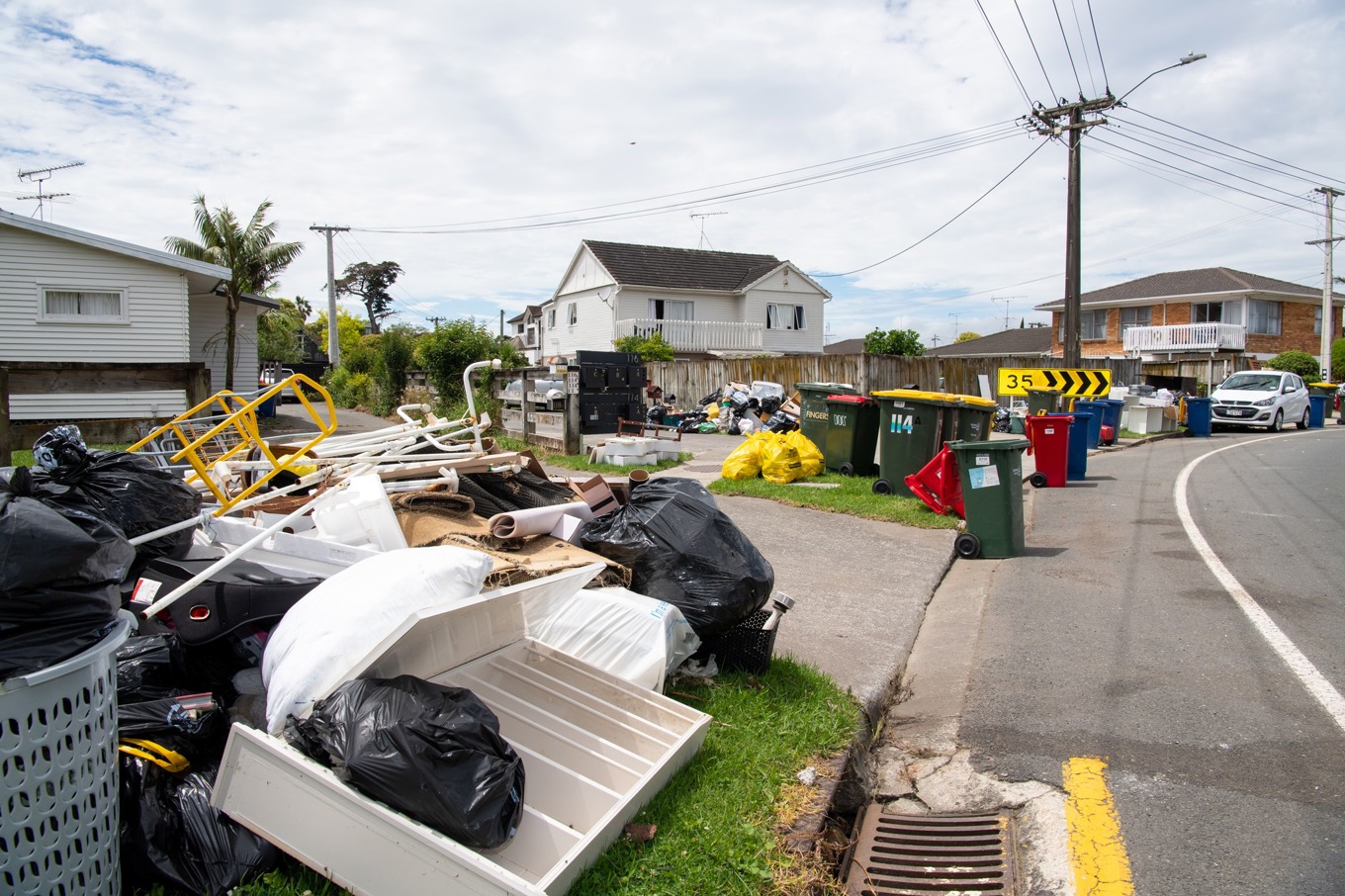
The floods were unlike anything we had seen. Homes were destroyed, cars were floating down streets, and families were displaced. We worked with the council and set up the Category 3 buyout scheme for unsafe homes. Since then, I have been advocating for residents still caught in slow processes or still living in unsafe areas.
Q: Why was the hybrid tunnel light rail plan recommended?
Michael Wood:
Independent experts tested surface, partial tunnel, and full tunnel options. Tunnelling offered more capacity, faster speed, and long-term value because it avoids road-level delays. It also lets you pick station locations based on community need, not road layout. It was based on technical assessment, not personal preference.
Q: What is your view on the growing relationship between India and New Zealand?
Michael Wood:
Progress in trade relationships takes years and spans many governments. Work happens at the official level long before ministers sit in a room. Labour supports deeper links with India, but we believe strong relationships and careful negotiation are essential. Good agreements come from trust, not rushed decisions.
Q: How would fair pay agreements help small businesses?
Michael Wood:
Fair pay agreements would lift wages and give workers spending power, which supports local shops. They also create a level playing field so good employers are not undercut by those who offer the lowest wages. In Australia, similar systems work well and have not harmed small businesses.
Q: What would Labour focus on first if elected in 2026?
Michael Wood:
Housing, health, and jobs. People are struggling with the cost of living, GP fees, long wait times, and a rising number of unemployed young people. We need to get the basics right so families feel stable and hopeful again.
Q: What is Labour’s plan to improve GP access?
Michael Wood:
We will fund three free GP visits and increase support for frontline staff. If people can access primary care easily, pressure on emergency departments reduces. It is about investing in the right part of the system.
Q: Tell us something about your personal journey.
Michael Wood:
I grew up in Pakuranga. My mum was a Plunket nurse who taught me about fairness. I moved to Mt Roskill in 2003 with my wife and have lived here ever since. Outside politics, I enjoy gardening because it keeps me grounded, and I always carry a cryptic crossword in my bag.
Q: What is your message to Webfit News viewers?
Michael Wood:
Please stay engaged. Make sure your family is enrolled to vote. Your voice matters. I will be out in the community, listening and meeting people. I want to hear your concerns and hopes for Mt Roskill.