Reducing Child Hardship in Tough Economic Times
With many families under pressure from the cost of living, the Government has targeted support to reduce hardship.
Key steps include:
- Lifting the Working for Families income threshold so more households receive financial help
- Extending funding for community food hubs, food banks, and KidsCan programmes, including raincoats and breakfast support
- Increasing social housing and affordable rentals, including homes for whānau Māori
“These steps make a real difference for families who need support right now,” Minister Upston said.
Further Actions Already Underway
Several government agencies are rolling out more initiatives connected to the strategy’s goals. These include:
- Maternal mental health support
- A revitalised FASD Strategic Action Plan
- New Gateway assessments for health and education needs
- Expanded healthy school lunches
- A targeted food programme for 10,000 ECE students
- The ongoing delivery of “Welfare that Works” and “Making Work Pay”
- Strengthening financial capability programmes
- Implementation of Kahu Taurima and Ngā Tini Whetū
- A full Early Childhood Education funding review
These efforts are part of a long-term plan to improve outcomes across health, learning, safety, and family wellbeing.
Looking Ahead
Minister Upston said the Government remains focused on early investment, smarter decision-making, and practical solutions that support children and families in meaningful ways.
“The principles of social investment will continue to shape our decisions. Early action leads to better outcomes for our young people and less hardship in the future,” she said.
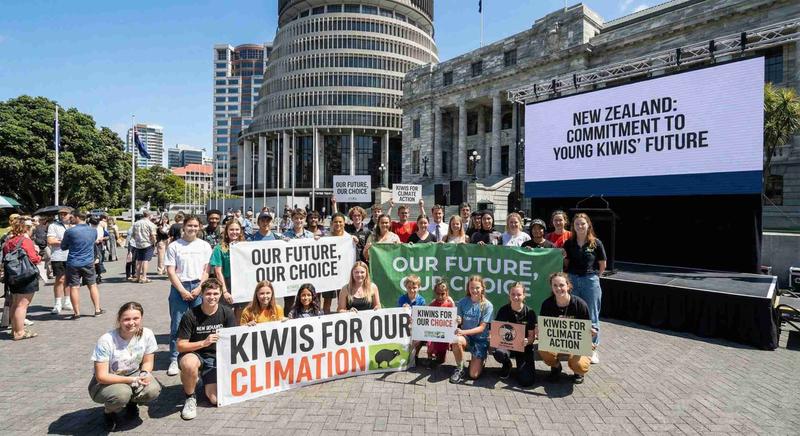
As New Zealand recognises World Children’s Day, the message is clear. The wellbeing of young Kiwis remains at the centre of national policy, and agencies across the Government are working together to create a safer, healthier, and more supportive environment for every child.
Reference
This news report is based on an official press release titled “Making New Zealand A Better Place For Young Kiwis” published on 20 November 2025 by the New Zealand Government.