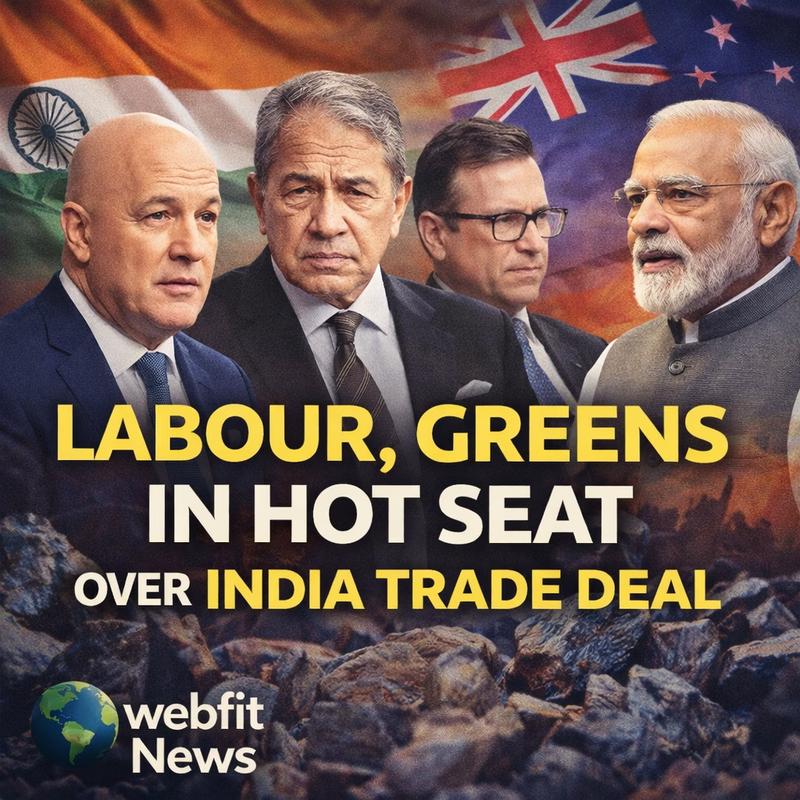
Exporters have already expressed disappointment, and Labour trade spokesperson Damien O’Connor has publicly highlighted dairy access as a major concern. He has warned that complex trade agreements cannot be rushed without consequences.
Winston Peters Draws a Clear Line
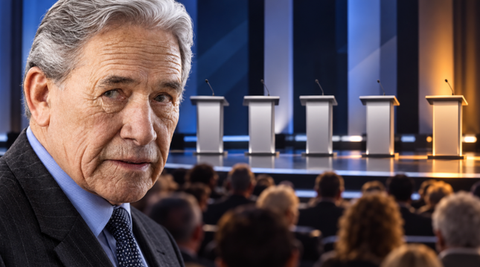
Peters moved quickly to distance NZ First from the agreement. He released a critical statement moments before the Prime Minister’s media conference began.
He described the deal as a poor trade-off, arguing that the economic benefits fail to justify concessions made to India. These include provisions for three-year work visas and expanded working holiday schemes.
With an election approaching, Peters has little incentive to soften his position. Differentiating NZ First from National allows him to appeal to voters uneasy about immigration and trade liberalisation.
Opposition Holds the Cards
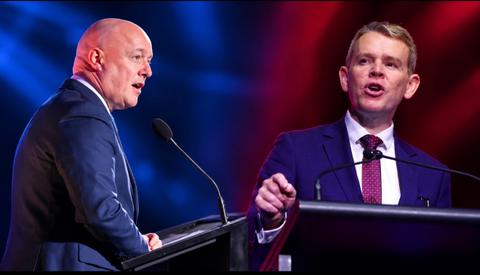
With NZ First opposed, National must look elsewhere for support.
Labour appears open but cautious. O’Connor has described the deal as a “very small step” and confirmed Labour will make a final decision in the new year. That timeline gives the party room to negotiate political concessions.
The Greens have raised different concerns. Trade spokesperson Lawrence Xu-Nan has called for full public release of the agreement text before taking a position. He has also questioned whether non-tariff barriers affecting exports like timber have been adequately addressed.
So far, the Greens say neither the minister nor officials have engaged with them in detail.
Te Pāti Māori has already ruled out support. Co-leader Rawiri Waititi cited weak Treaty of Waitangi protections and a lack of consultation with Māori. He also echoed criticism of the deal’s dairy and immigration settings.
What Happens Next
Legislation will be required to activate the agreement. That reality gives opposition parties real leverage.
Labour and the Greens must now weigh two risks. Supporting the deal could help the economy and preserve New Zealand’s international reputation. Blocking it could open them to accusations of political sabotage from National and ACT.
National appears to be betting that pragmatism will outweigh politics.
Whether that gamble pays off will shape not only the fate of the India free trade agreement, but also the tone of trade and immigration debates heading into 2026.