Economic Messaging: Recovery With a Caution Sign
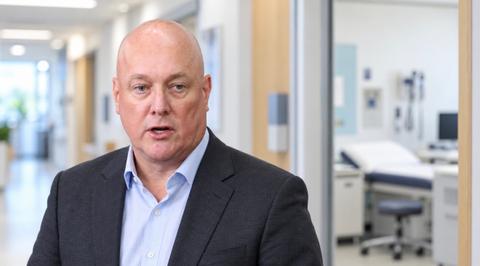
Finance Minister Nicola Willis struck a tone of cautious optimism. Yes, GDP is improving. Yes, the OCR has come down. But she acknowledged something voters have long known: macro numbers don’t always trickle down to the kitchen table. That humility in messaging suggests National is aware that inflation, cost of living, and housing affordability remain raw nerves.
Luxon echoed this when he talked about wanting “steady growth” in housing, not the 30 percent spikes of previous years. He’s trying to tell young voters and renters that National wants affordability. At the same time, he’s assuring existing homeowners that their equity won’t be wiped out. It’s a delicate dance.
The Coalition Question: ACT and NZ First Back in the Frame
Luxon confirmed that National remains open to working with ACT and NZ First — the very same coalition that brought them to power. This is notable. It’s not always common for a sitting Prime Minister to talk coalition terms this far out. But Luxon knows that MMP realities demand clarity.
By being upfront, he’s trying to normalise that arrangement, especially for centrist voters who may feel uneasy about ACT’s more radical proposals or NZ First’s unpredictability. The message is: we’ve done this before, and it worked.
Labour’s Position: Māori Seats and a Return to Roots
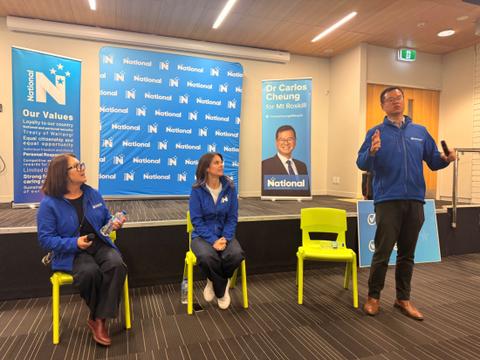
While National huddled in Christchurch, Labour gathered in West Auckland. Co-chair of Labour’s Māori caucus, Willie Jackson, said his priority is winning back the Māori electorates. That’s telling. Labour knows that its 2023 loss wasn’t just about middle New Zealand but about erosion in once-reliable strongholds.
Jackson said voters in those seats are coming “back to Labour,” especially after tensions with Te Pāti Māori. This sets up a fascinating dynamic – can Labour rebuild its Māori base while also appealing to the centrist vote?
Labour’s retreat appeared more introspective. There was less talk of macroeconomics and more about identity, representation, and grassroots repair. The contrast with National’s policy-heavy, economic-forward retreat couldn’t be sharper.
What It Means for Everyday Kiwis
This election will not just be about GDP, interest rates, or fiscal rules. It will be about how those numbers translate into real lives.
Will rents be manageable? Will wages stretch to cover groceries? Will climate policy cost jobs or create them? Will kids have safe schools, and will hospitals have enough staff?
National is betting that a slow and steady recovery with minimal disruption will appeal to the median voter. Labour will likely counter that a safety-first approach does little for those already left behind. The electorate will be asked to choose between managed stability and ambitious repair.
Community voices will matter more than ever in this cycle. Voter turnout in Māori seats, youth engagement, and regional participation could tilt the balance in unexpected ways.
Final Thought
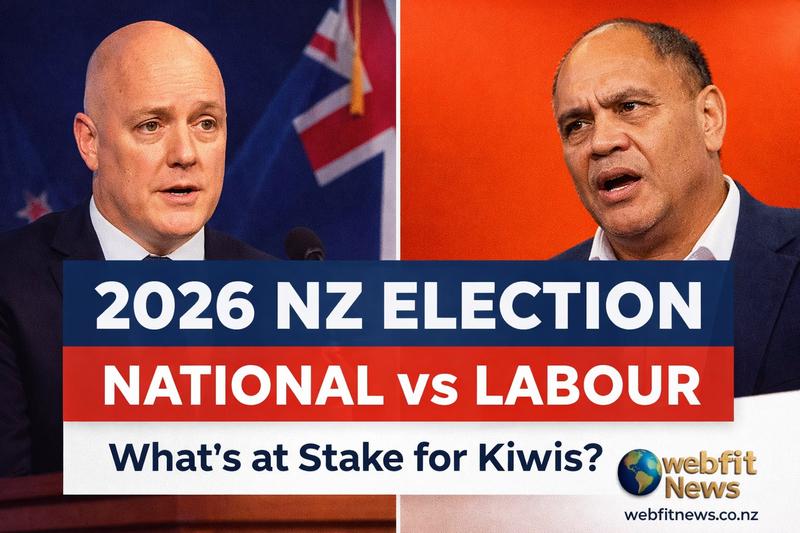
Luxon’s announcement wasn’t just about a date. It was a line in the sand. His party wants this to be the election of steady hands and quiet recovery. But elections have a way of turning volatile themselves.
From coalition choreography to the cost-of-living crunch, the next nine months will test every assumption both major parties are banking on. And for everyday New Zealanders, it will be a test of who really listens, not just who talks louder.