Election Aftermath and the Trump Clash
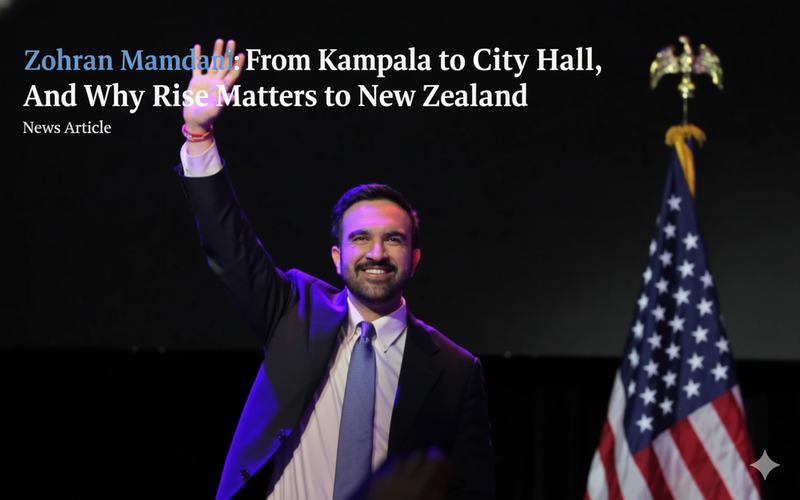
Mamdani’s win shook American politics.
Former President Donald Trump attacked him as a “communist candidate” and endorsed Cuomo to block his rise.
In his victory speech, Mamdani replied, “Turn the volume up, because this is what democracy sounds like.”
This face-off highlights two opposite visions: Trump’s law-and-order nationalism versus Mamdani’s people-first socialism.
It mirrors a wider global divide between progressive local reform and conservative centralisation—seen in places like New Zealand.
Governance and Working Style
Since taking office, Mamdani has focused on delivering results over rhetoric.
His team blends moral conviction with technical know-how.
His key priorities include:
- A four-year rent freeze for two million regulated tenants.
- Construction of 200,000 affordable homes funded by higher corporate taxes.
- City-owned grocery stores to reduce food insecurity.
- Shifting homelessness and mental-health response from policing to community care.
Critics question whether the city can afford such a program.
Supporters say his pragmatic socialism proves bold ideas can still balance the books.
His cabinet combines policy experts, organisers, and analysts, signalling a move toward participatory government.
Mamdani and Luxon: A Tale of Two States
Mamdani’s leadership in New York contrasts sharply with Christopher Luxon’s rule in New Zealand.
Mamdani spreads power through social programs and public involvement.
Luxon’s administration is doing the opposite—centralising control through the Fast-Track Approvals Bill and limiting local input on environmental decisions.
Mamdani’s vision asks the state to protect the vulnerable through redistribution.
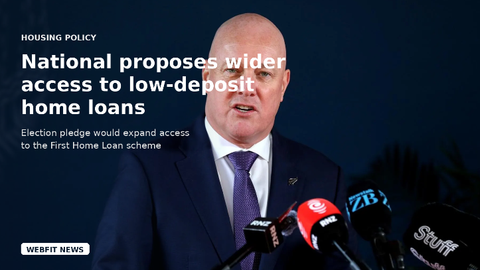
Luxon’s strategy relies on efficiency and discipline by strengthening executive power.
One builds equity from the bottom up; the other enforces order from the top down.
Why It Matters for New Zealand
Zohran Mamdani’s story goes beyond New York.
It shows how local leadership can challenge global inequality and revive trust in government.
For New Zealand, where leaders debate how to balance social fairness with economic growth, his rise poses a question: Can empathy and bold policy work together?
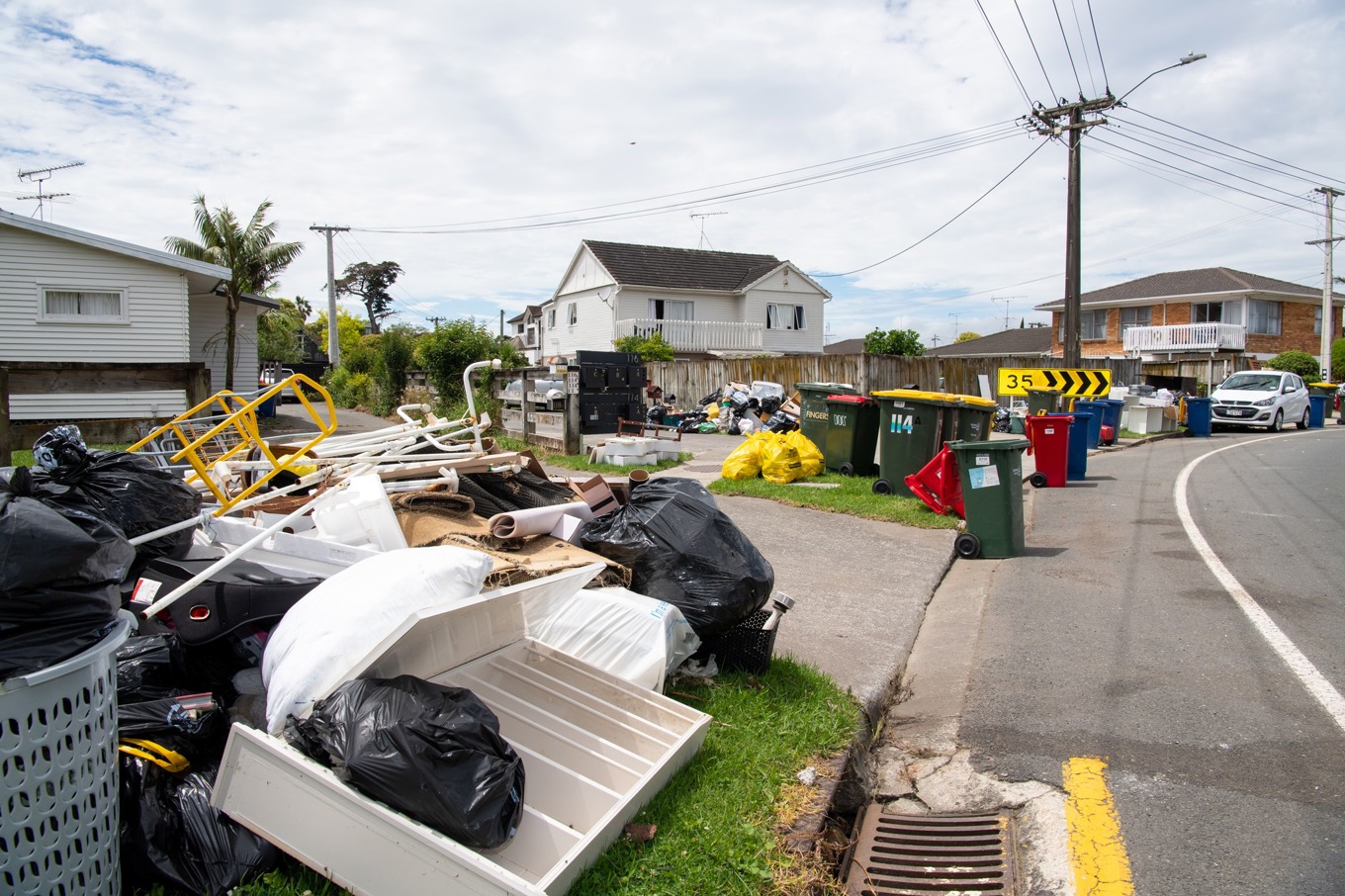
As Auckland faces housing shortages and rising living costs, Mamdani’s example reminds us that courage in leadership still resonates.
His model of compassionate, practical politics may soon shape how people everywhere, including in Wellington, measure effective governance.