Support Webfit News

Independent journalism needs readers behind it. Help us keep Webfit News free, open and community focused.

Monday, 5 October 2026
Webfit News
SearchNewsroom
Webfit News
Search
News

Winston Peters takes the airtime, but debate audience favours Qiulae Wong

New Zealand’s smaller party leaders had the stage to themselves on Thursday night, and Winston Peters made sure he was heard.

Listen to this articleAudio accessibility
Screenshot 2026 10 02 at 10.13.22 AM


New Zealand’s smaller party leaders had the stage to themselves on Thursday night, and Winston Peters made sure he was heard. But speaking time was not the only measure of success in the first major leaders’ debate of the 2026 election campaign.

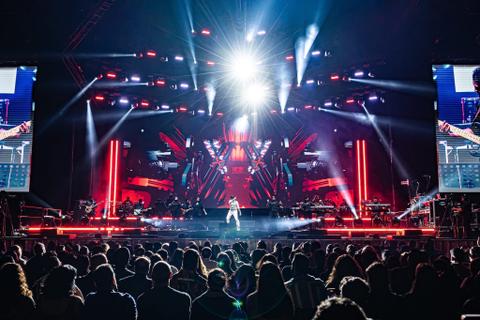
The Press Kingmakers Debate brought together Peters of New Zealand First, ACT’s David Seymour, Greens co-leader Chlöe Swarbrick, Opportunity leader Qiulae Wong and Te Pāti Māori co-leader Rāwiri Waititi. Prime Minister Christopher Luxon and Labour leader Chris Hipkins did not take part.

The five leaders discussed the cost of living, healthcare, business support, artificial intelligence and superannuation. Despite their political differences, the exchanges were largely civil. There were pointed moments, particularly involving Peters, but the debate did not produce a clear agreement on which parties would work together after the election.

What the audience response showed

Wong finished ahead in the debate’s interactive “vibe tracker”, which recorded audience reactions. RNZ reported the following results:

  • Qiulae Wong: 35%

  • Chlöe Swarbrick: 29%

  • David Seymour: 23%

  • Winston Peters: 9%

  • Rāwiri Waititi: 4%

Those figures show the response captured by the debate’s tracker. They are not an election poll and should not be read as a prediction of party-vote results.

Wong said afterwards that she had expected more bickering. Her strong showing on the tracker suggests her approach connected with the audience participating in that exercise, although it cannot tell us how voters across the country responded.

The questions still facing voters

Peters drew attention throughout the night, including when he criticised the moderators’ questions and was seen checking his watch. RNZ also reported that he proposed an increase to Working for Families payments. Seymour and Wong were notably cordial, while Swarbrick challenged Peters during an exchange about migration.

The more consequential test for all five leaders may come after the debating ends. They were asked which parties they could work with and which policies they would keep or reject in a future government, but RNZ reported that those questions drew few firm answers.

That matters in an election where smaller parties could have a decisive say in forming the next government. A confident debate performance can win attention for a night. Voters still need to know what each leader would demand, what they would compromise on and what they would refuse to support.

The first debate gave New Zealanders a clearer look at the people who may hold that negotiating power. It did not settle who used it best.

From the newsroom

Keep reading

Back to homepage