What are the three most urgent things you want for Dunedin?
First, the new hospital must have the right level of staffing. I don’t want us to end up with a very nice hospital building and not enough people working in it.
Second, I want our ports kept in public ownership. Port Chalmers matters to Dunedin, and I’d like to see a national ports and shipping strategy that helps make the country more resilient and supports trade.
Third, we need more support for students. The University of Otago is in this electorate, and the Alliance supports free public education paid for through taxation.
You work for the Maritime Union. Can you represent employers and small-business owners as well as workers?
I’m a long-time official for the Maritime Union, which represents port workers and seafarers, and I don’t apologise for the Alliance’s focus on working people. But we’re not anti-small business. Some of our candidates are small-business people.
Our argument about public ownership is directed at major parts of the economy, such as the large power companies. We think those essential services should be owned for the public benefit.
Public ownership and new infrastructure would be expensive. Where would the money come from?
It would be a large cost. There are different figures depending on how you measure it, and I’m not pretending otherwise.
We would reform taxation: lower income tax for most workers and introduce measures including a wealth tax, a capital gains tax and a financial transactions tax. We also believe that when important assets are publicly owned, the income they generate can benefit New Zealanders collectively rather than only private shareholders.
Billot did not provide a cost estimate or a timetable for bringing major assets back into public ownership during the interview.
The Alliance wants dental care included in public healthcare. How quickly could that happen?
It would be a major change, so it wouldn’t happen overnight. We would move towards it and pay for it through a more progressive tax system.
Dental care is part of health. People put off going to the dentist because they can’t afford it, and problems can become worse and more costly to treat later. It seems strange to us that something so important is largely outside the public system.
If the Alliance had influence over a first government budget, what would you prioritise for households struggling with costs?
The first measure would be making the first $20,000 of income tax-free, with higher-income earners paying more at the top end of the tax system.
The second would be making healthcare more accessible, including moving towards dental care that is free at the point of use.
The third is KiwiWorks, a 21st-century Ministry of Works. We want to rebuild the country’s capacity to employ New Zealanders, deliver infrastructure and build public housing. Housing costs, whether rent or mortgage payments, are one of the biggest pressures people face.
What do you think both Labour and National have got wrong about the economy?
The Alliance has long opposed the free-market model that has shaped policy since the 1980s and 1990s. We believe too much priority has gone to generating wealth for those who already own resources, while workers have seen their share diminish.
We want a more equal society that can look after people and withstand future challenges. We’re different from Labour on that economic approach, although we would support a Labour-led government over a National-led one.
Looking back, is there a political position you now believe was wrong?
I can’t think of one that stands out. What experience has taught me is that relationships matter. You might lose an argument or a debate, even when you think you’re right. You can’t let that destroy your ability to work with people. You keep going and try again.
What should someone who has never considered the Alliance know about you?
We’re a small party, and we’re building for the long term. I’d ask people to look at the policies and decide whether they agree with them.
As for me, I’m not doing this for a career or for the money. I’ve been consistent about these principles, and I believe in listening to people. Even if someone disagrees with my politics, I hope they can see that I’m sincere.
The rapid-fire round
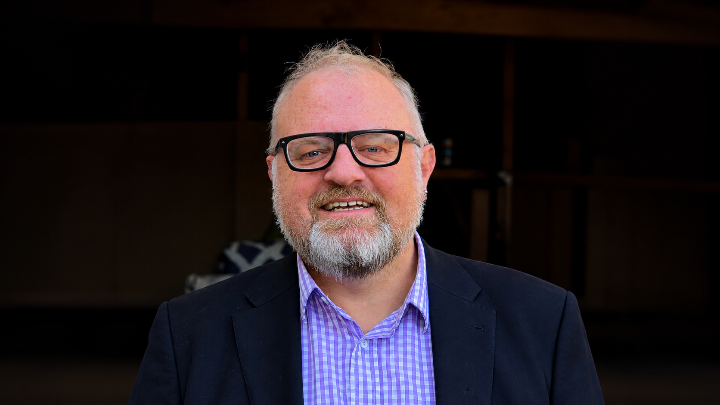
Billot’s one-word description of Dunedin was “cold”, though he quickly added that it is a beautiful small city with a good life and plenty going on. He described politics as a passion, backed public ownership “for the big stuff”, supported capital gains and wealth taxes, and said free dental care was both aspirational and realistic. The Alliance, he said, supports a 35-hour working week.
Asked to finish the sentence “New Zealand in 2030 should be…”, his answer was simple: a country with no poverty.
This interview has been edited for length and clarity. Policy proposals and assessments are Victor Billot’s and the Alliance Party’s, not endorsements by Webfit News.
Support independent community journalism: https://webfitnews.com/support-us