Support Webfit News

Independent journalism needs readers behind it. Help us keep Webfit News free, open and community focused.

Monday, 5 October 2026
Webfit News
SearchNewsroom
Webfit News
Search
News

Tongariro fire recovery: Weed control covers 250 hectares as native plants return

30 September 2026 Native plants are returning to parts of Tongariro National Park damaged by last year’s fires, but conservation workers say weeds and browsing animals remain a...

Listen to this articleAudio accessibility
Screenshot 2026 10 01 at 9.15.45 AM


30 September 2026

Native plants are returning to parts of Tongariro National Park damaged by last year’s fires, but conservation workers say weeds and browsing animals remain a serious threat to the fragile recovery.

The fires in late 2025 burned more than 3,000 hectares of slow-growing alpine ecosystems. Since then, the Department of Conservation (DOC), iwi, contractors and neighbouring landowners have been working to give the landscape its best chance to recover naturally.

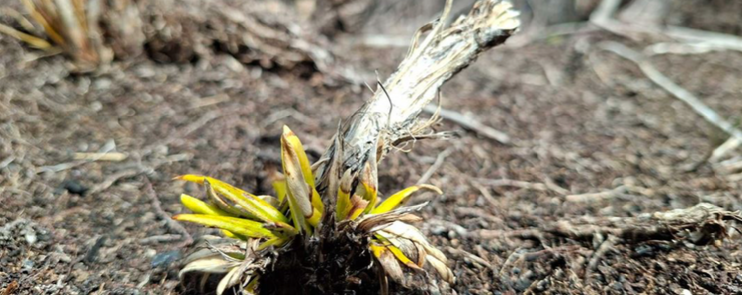
DOC Operations Manager Libby O’Brien says some native plants, including flax, are growing back quickly. That early progress is encouraging, but it could be undone if weeds spread through the burned areas.

“We’re seeing things like flax recovering quickly, but the plants here are still really vulnerable to being overgrown by weeds,” O’Brien says.

More than 250 hectares of weed control have been carried out so far. Crews have worked on the ground and from the air, while drones are being used to find pests and track changes across the landscape.

Deer control is another part of the effort. DOC says 91 deer have been removed from the area, with 25 delivered to a local marae for kai. Hares are also among the introduced animals that can damage recovering vegetation.

O’Brien says the work brings together iwi, weed and deer control contractors, NZ Transport Agency Waka Kotahi and adjacent landowners. The aim is to protect the new growth while the alpine ecosystem heals at its own pace.

A long recovery lies ahead

In February, $3.5 million from the International Visitor Levy was allocated over five years to Tongariro’s recovery. The funding covers the wider landscape, including the Tongariro Alpine Crossing.

Visitors should not expect the signs of damage to disappear quickly. O’Brien says yellow broom will still be visible in the park this year because the weeds have not been eradicated.

“This is a long-term project, and it will take time to see results,” she says.

The recovery matters well beyond the park itself. Tongariro holds deep cultural significance, draws visitors from around the world and supports communities and businesses in the region. DOC is inviting the public to hear about the work at a community open day.

Tongariro recovery open dayDetails
DateFriday, 16 October 2026
Time10am
VenueBlue Mountain Adventure Centre, Raurimu
More information and RSVPDOC Tongariro Facebook page

How visitors can help

Ngāti Hikairo ki Tongariro has placed a 10-year restorative rāhui over the fire-affected area. DOC is asking visitors to respect it and avoid putting additional pressure on the recovering land.

  • Stay on tracks that are open.
  • Do not enter fire-affected areas off-track.
  • Clean shoes and gear to help prevent weeds from spreading.
  • Take all rubbish away with you.

The return of native plants is a promising start. Keeping weeds and browsing animals under control will determine how much of that growth survives in the years ahead.

From the newsroom

Keep reading

Back to homepage