These were weighted responses from a non-probability sample. They measure participating viewers’ reactions, rather than a nationwide party-vote result.
The revealing fact: Winning did not mean changing votes
One of the most interesting findings concerned persuasion.
In the Vote Compass survey, 36 percent said the debate was very or somewhat likely to influence their vote. A larger share, 59 percent, said it was not very likely or not at all likely.
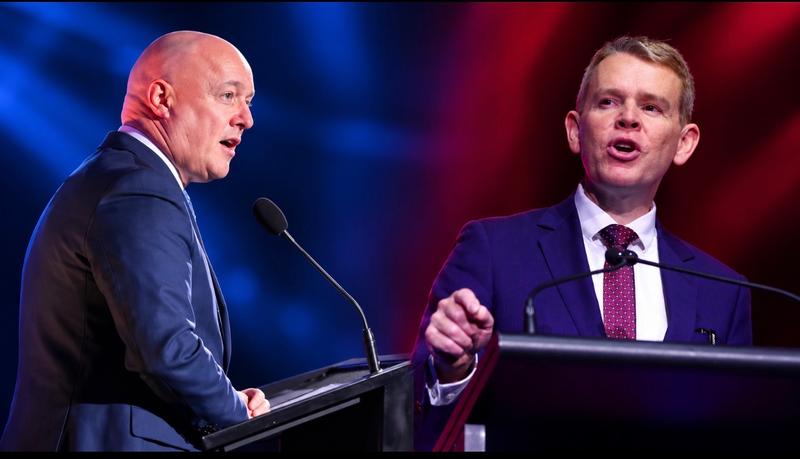
Hipkins also received stronger backing from his own supporters: 86 percent of participating Labour voters named him the winner, compared with 66 percent of National voters choosing Luxon.
The distinction matters. Viewers can think someone performed well without deciding to support their party. For campaign teams, a favourable reaction is useful, but converting it into votes is a separate task.
Cost of living puts Luxon’s record under scrutiny
Hipkins challenged whether people were better off after three years of National-led government. Luxon defended his economic approach and argued that conditions would have been worse under Labour.
The exchange exposed their competing strategies. Hipkins focused on people’s experience of financial pressure; Luxon asked voters to judge his government against the alternative he said Labour represented.
For households, the practical test is whether either approach offers a believable path to greater financial security. Blaming previous governments or international events may explain some pressures, but voters still need clear answers about what comes next.
Tax promises need careful reading
Both leaders ruled out raising GST. However, the debate also revealed the difference between promising no new taxes and promising that existing taxes or charges will never increase.
RNZ’s recap reported that Hipkins challenged Luxon over planned fuel-excise increases. Luxon subsequently said he had misheard the question about existing taxes as one about new taxes.
Afterwards, Luxon said National would not raise GST or income tax, while leaving room for changes to fees and levies.
That distinction deserves attention because households experience the combined cost of taxes, charges and bills, regardless of how politicians categorise them.
Health and education reveal different approaches
Hipkins accused Luxon of failing to acknowledge the severity of problems in healthcare. Luxon argued that outcomes were improving and questioned whether Labour’s promised free GP visits would increase pressure on services.
On education, Hipkins supported retaining the school cellphone ban but wanted teachers to have greater flexibility over the compulsory daily reading, writing and maths requirements.
RNZ reported that he later clarified this meant changing how teaching was organised, rather than abandoning those subjects.
The public-interest question is how either programme would improve access and results, with enough staff and resources to deliver.
Coalition choices remain central
Luxon reaffirmed that National had ruled out working with Opportunity, despite questions about whether it might be needed to form a government.
RNZ also reported that Luxon rejected ACT’s proposed minimum-wage freeze, saying increases would continue broadly in line with inflation.
Those positions show why voters must consider coalition negotiations alongside each leader’s promises. A party’s campaign programme and a government’s eventual agreement can differ.
Is National already losing the election?
The available evidence does not settle that question.
The RNZ-Reid Research poll released before the debate put National at 25.9 percent and Labour at 30.8 percent. Both had lost support, while the Greens and Opportunity gained ground.
National faces pressure, but Labour’s challenges have not disappeared. Neither a weak poll nor an unfavourable audience response establishes who will govern.
Webfit News perspective: Delivery matters more than theatre
Hipkins earned the stronger audience reaction. Luxon still has an opportunity to persuade voters, and both must demonstrate that their promises withstand scrutiny.
The debate attracted substantial attention: TVNZ reported reaching more than a million New Zealanders across its platforms.
The responsibility now is to turn that attention into clear, testable commitments. Voters deserve to know what policies will cost, when improvements should arrive and which promises might change during coalition negotiations.
Source acknowledgement: Reporting draws on TVNZ/1News debate coverage and audience research, and Giles Dexter’s RNZ debate recap republished by Farmers Weekly. The Webfit News perspective is our own analysis.