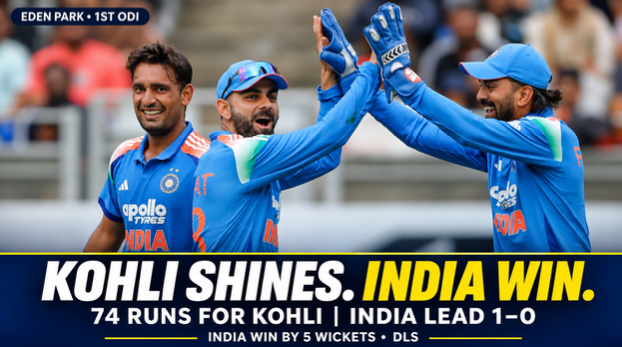
Virat Kohli’s 74 gave Auckland the spectacle, but Anshul Kamboj’s relentless accuracy helped deliver the result. India beat New Zealand by five wickets in a rain-hit ODI opener to take a 1–0 series lead.
By Webfit News | Reporting from Eden Park, Auckland 5 November 2026
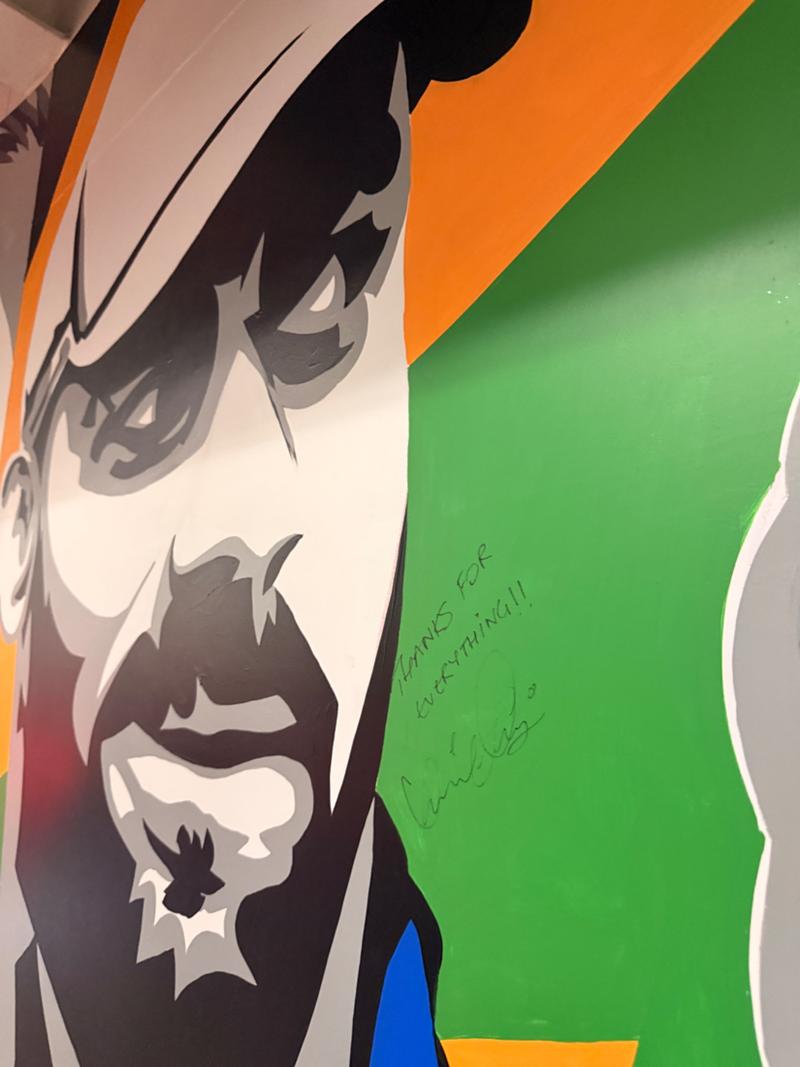
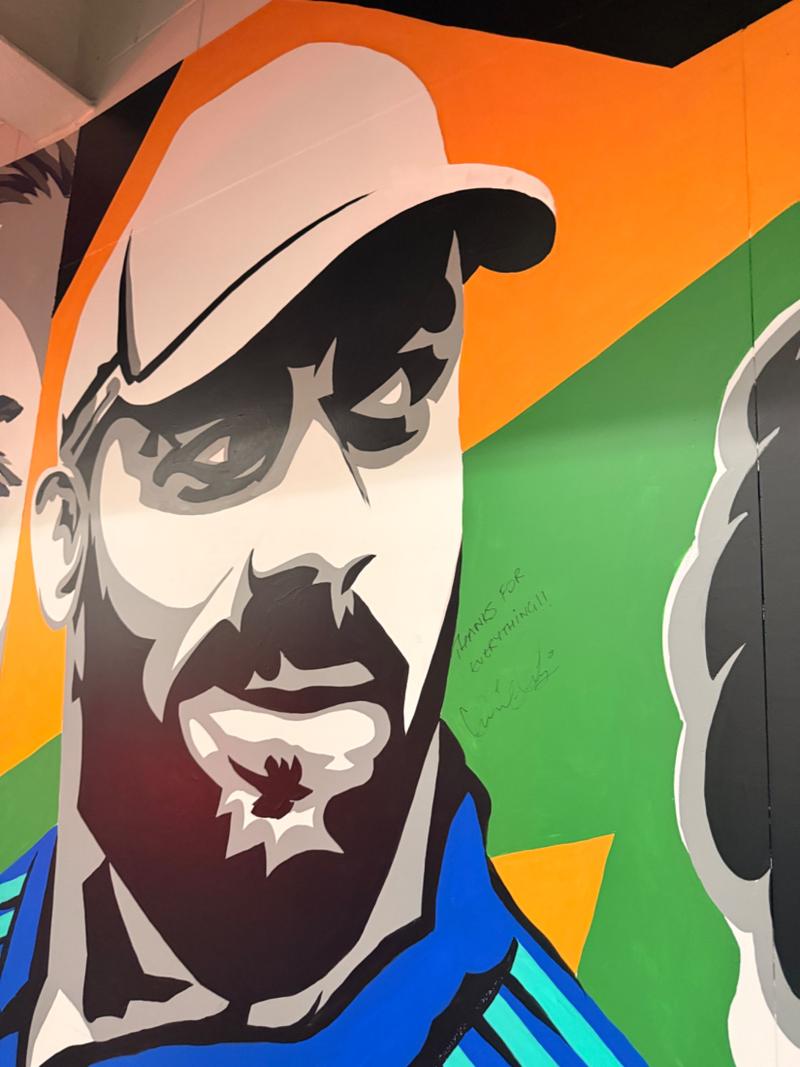
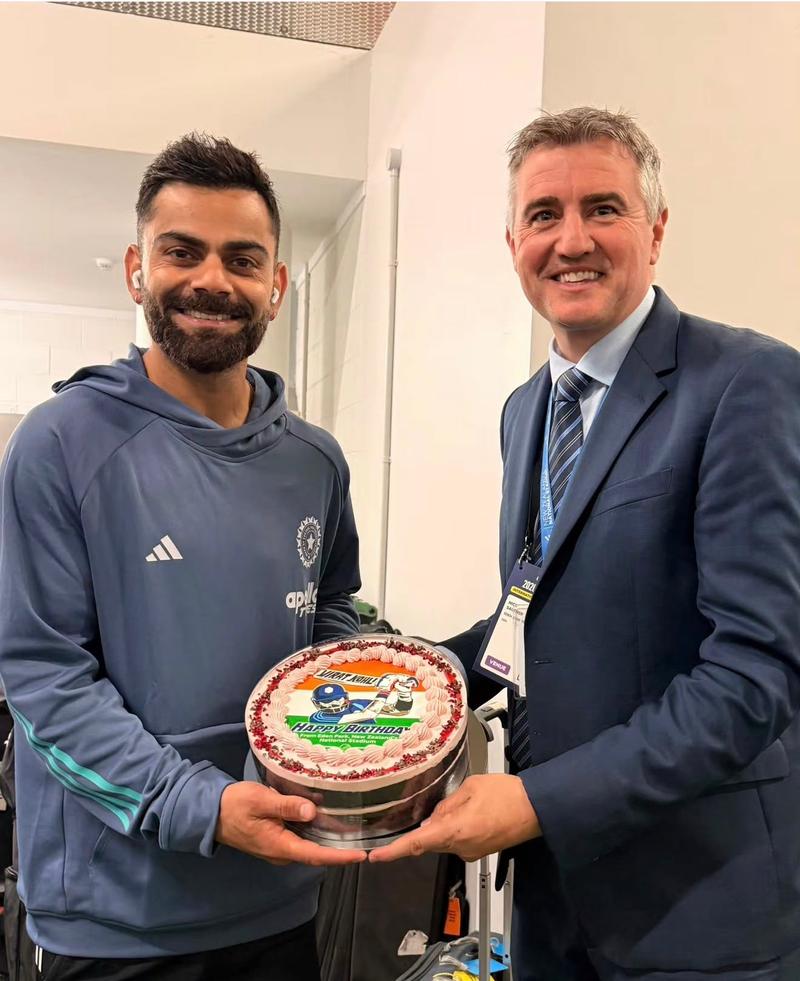
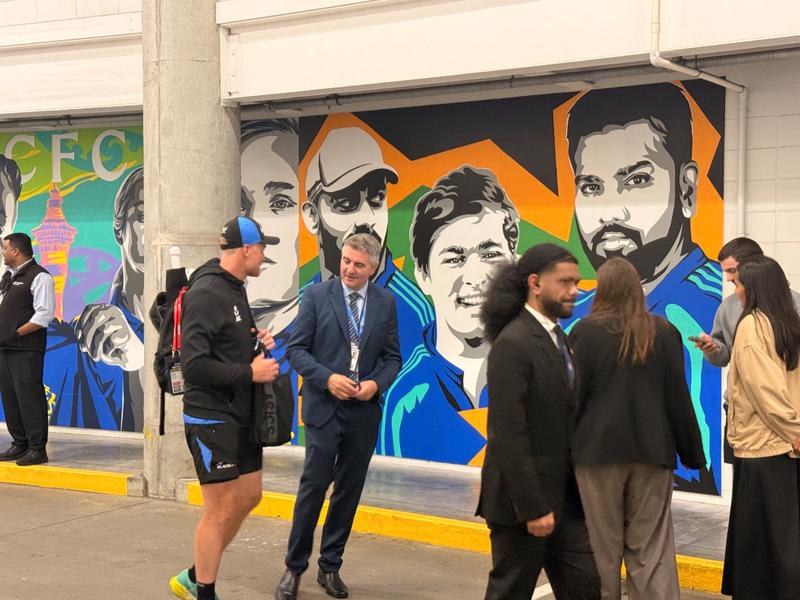
Virat Kohli gave Eden Park an early birthday celebration. India’s fast bowlers made sure it came with a victory.
A day before turning 38, Kohli struck 74 from 51 balls as India chased a rain-adjusted target of 143 against New Zealand on Wednesday. His 113-run partnership with captain Shubman Gill put the visitors firmly in control before a late flurry of wickets briefly interrupted their progress.
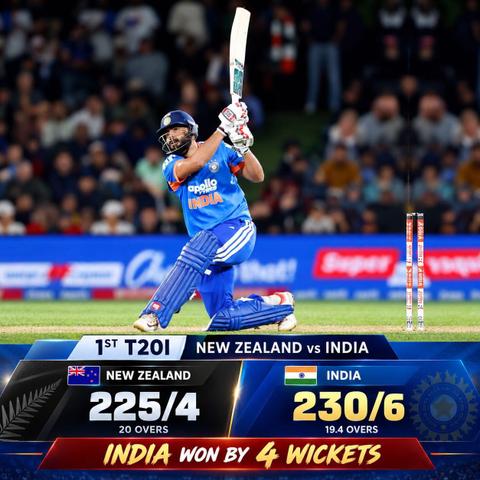
India finished on 143 for five in 22.4 overs, winning by five wickets under the Duckworth–Lewis–Stern method with 56 balls remaining.
Yet the foundations had been laid hours earlier. New Zealand were dismissed for 185 in 40.2 overs, with Arshdeep Singh, Gurnoor Brar and player of the match Anshul Kamboj taking nine wickets between them.
For the Black Caps, the most revealing statistic was their biggest partnership: 39 runs for the last wicket.
The match at a glance
Detail
Result
New Zealand
185 all out in 40.2 overs
India’s revised target
143 from 32 overs
India
143/5 in 22.4 overs
Result
India won by five wickets, DLS method
Series
India lead the five-match series 1–0
Player of the match
Anshul Kamboj, 2/22 from 10 overs
An early setback brings Kohli to the middle
India’s chase began with a moment New Zealand desperately needed.
Rohit Sharma fell for a duck in the opening over, caught by Mitchell Santner at mid-off from Kyle Jamieson’s bowling. Defending a modest total, the hosts had an opening.
Kohli and Gill closed it.
Gill contributed 37, while Kohli supplied the acceleration with a succession of pulls and drives. His innings contained 13 fours and a six, bringing up his 80th ODI half-century on the eve of his birthday. The 51-ball innings also settled a discrepancy in the initial reports, some of which recorded 50 deliveries. Sky Sports
Rain repeatedly interrupted the chase, eventually leaving India with 143 to score from 32 overs. But the breaks did little to loosen the second-wicket pair’s grip.
Kohli reached his fifty from 35 balls. By then, India were doing more than staying ahead of the revised requirement: they were steadily removing New Zealand’s opportunities to get back into the game.
Kamboj’s control mattered as much as the wickets
Arshdeep finished with four wickets and Gurnoor with three. Kamboj conceded just 22 runs across his full 10 overs, including two maidens.
That distinction explains his player-of-the-match award.
New Zealand’s batters were looking for deliveries they could attack. Kamboj gave them very few, maintaining a demanding line and length and finding movement from the surface.
His pressure complemented the breakthroughs at the other end. India’s principal seamers finished with:
Bowler
Overs
Figures
Arshdeep Singh
10
4/70
Gurnoor Brar
9.2
3/44
Anshul Kamboj
10
2/22
Kamboj dismissed Santner and Nathan Smith, while Arshdeep and Gurnoor repeatedly troubled New Zealand with bounce. Their combined effort prevented the hosts from building an innings around a substantial partnership.
New Zealand’s batting never finds its footing
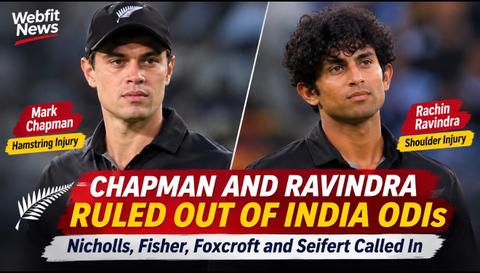
Without Devon Conway, Rachin Ravindra and Mark Chapman, New Zealand needed their available experience to carry greater responsibility.
Instead, Will Young and Henry Nicholls both departed for nine, while Tom Latham made three.
Tim Seifert offered early resistance with 38 from 43 balls. Glenn Phillips contributed 30, but neither could turn a start into the innings New Zealand required.
Daryl Mitchell’s dismissal was particularly damaging. On 28, he was run out following a call for a single with Phillips, with Rohit producing a diving fielding effort and throw.
India’s senior players were contributing well before the chase. Kohli also took a low, one-handed slip catch to dismiss Smith, a moment confirmed in the BCCI’s match photography. 1st ODI
At 115 for seven, New Zealand were already relying on their lower order to repair the damage.
Tickner supplies the resistance
Blair Tickner gave the home supporters something to enjoy.
Batting at No. 11, he struck 34 from 23 balls, including four sixes. Three came in one Arshdeep over, providing a sudden burst of scoring after a difficult afternoon.
With Jacob Duffy unbeaten on 15, the final pair added 39, taking New Zealand from 146 for nine to 185.
Their contribution improved the total substantially. It also highlighted what had been missing above them: a partnership capable of surviving pressure and shifting it back onto India.
Gurnoor eventually ended the resistance, leaving New Zealand with 58 deliveries unused.
Duffy’s late strikes arrive too late
New Zealand did find a response near the end of India’s chase.
Nathan Smith removed Gill before Duffy dismissed Kohli, Axar Patel and Shreyas Iyer in a rapid sequence. Duffy finished with three for 49.
India lost four wickets for 22 runs, a reminder that the surface still rewarded disciplined bowling and that attacking the short ball carried risks.
But the Kohli–Gill partnership had already done most of the work. The remaining runs were too few for New Zealand to turn their late success into a serious threat.
From ‘no special strategy’ to a winning performance
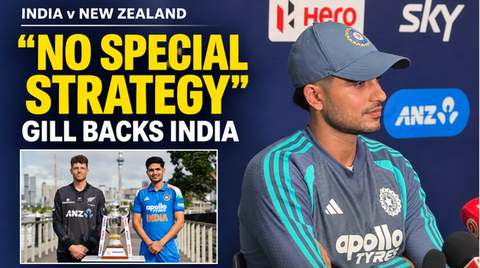
Before the match, Webfit News had asked Gill whether India needed a special approach to Eden Park and its challenges.
“No special strategy,” he replied, emphasising execution.
Wednesday’s performance gave that answer substance. India used the conditions, supported their bowlers with sharp fielding and built the chase around a decisive partnership.
Kohli provided the memorable innings. Kamboj, Arshdeep and Gurnoor ensured it was played in pursuit of an achievable target.
The series now moves to Wellington for the second ODI on Saturday, 7 November. New Zealand’s immediate task is clear: give their bowlers a total worth defending.