Etomidate is a fast-acting anaesthetic used in medical settings, typically to induce sedation during short procedures.
In a hospital, its administration is carefully controlled and patients are monitored.
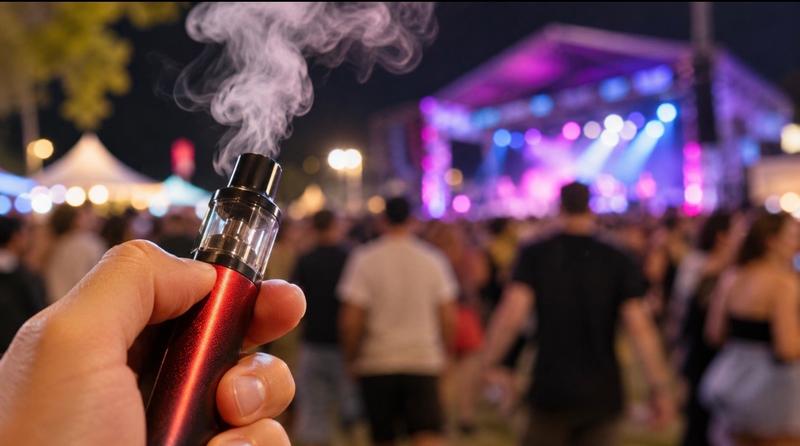
Inside an illicit vape pod, those safeguards disappear.
Dr Robin van der Sanden, from Massey University’s NZ Drug Research Team, told RNZ that etomidate can produce short-lived feelings of euphoria, sedation and physical numbness.
However, its effects can also include tremors, muscle spasms, seizures and unconsciousness.
One of the central problems is the lack of quality control. Users may have no reliable way of knowing how much etomidate is present in a particular pod or how much they are inhaling.
The drug’s short duration can also encourage repeated use, increasing the possibility of taking too much.
The More Alarming Discovery: Some Vapes Contain More Than One Drug
This is where the warning becomes particularly serious.
New Zealand drug-checking services have identified vape liquids containing etomidate alongside other substances, including 1,4-butanediol, commonly called 1,4-BD.
The substance is converted into GHB in the body and can suppress central nervous system activity.
When combined with etomidate, the risk of severe sedation, blackouts and breathing problems increases.
Drug researchers have also reported detecting other substances in illicit vape products, including pregabalin, ketamine and related compounds.
These findings challenge a dangerous assumption: that someone buying a vape marketed under a particular name necessarily knows what is inside it.
Even the person offering the device to a friend may not know its true contents.
That makes sharing an unidentified vape especially risky.
Why This Is Not Just Another Vaping Story
Public discussion about vaping in New Zealand has largely focused on nicotine addiction, youth access and the long-term health effects of e-cigarettes.
Space vapes introduce a different and potentially immediate danger.
Someone expecting nicotine or a mild recreational effect could instead inhale a substance capable of causing sudden sedation or loss of muscle control.
At a crowded festival, the resulting symptoms might initially be mistaken for alcohol intoxication, exhaustion or ordinary drug impairment.
That confusion matters.
A person who becomes unresponsive or begins breathing abnormally may need urgent medical assistance, not simply a quiet place to recover.
The risks can become more serious when alcohol or other sedating drugs are involved.
The distinction is important: not every vape contains etomidate, and there is no evidence that ordinary regulated nicotine products generally contain it. The warning concerns illicit or unidentified vaping liquids.
New Zealand Has Already Seen Evidence of an Emerging Market
This is not merely an overseas trend.
Documents released by New Zealand’s Ministry of Health show that etomidate-containing vape pods were detected through domestic drug-checking services during 2025.
The National Drug Intelligence Bureau subsequently requested tighter controls.
Etomidate became subject to a temporary Class C1 drug order in December 2025, and that control has since been extended until December 2027.
In September 2026, New Zealand Customs announced the arrest of a woman following the interception of approximately three kilograms of etomidate at Auckland International Airport.
Authorities said the substance was concealed in luggage arriving from Malaysia.
The seizure does not establish how widespread space-vape use has become, but it demonstrates that authorities are dealing with a genuine supply concern.
It also raises an important question for the coming festival season: how effectively can illicit vape products be identified before they reach young consumers?
The Hidden Risk of Sharing a Vape With Friends
Associate Professor Fiona Hutton, a criminologist at Victoria University of Wellington, has urged people to be upfront about what they believe their vaping products contain.
Speaking to RNZ, she warned that even someone who thinks they know what is in a vape could be mistaken.
That observation points to a broader issue of informed consent.
Accepting a vape from someone else is not necessarily the same as agreeing to take an anaesthetic or a mixture of unidentified drugs.
At festivals and parties, sharing can happen casually, sometimes without a meaningful conversation about the contents.
The safest decision is not to use an unidentified vape.
For anyone who has already obtained a suspicious product, New Zealand offers free, legal drug-checking services. However, testing can have limitations, and a result should not be treated as a guarantee of safety.
What Should You Do If Someone Becomes Unwell?
The most important warning signs include severe confusion, uncontrolled muscle movements, seizures, unconsciousness and slow or abnormal breathing.
If someone becomes unresponsive, has a seizure or is struggling to breathe, call 111 immediately.
Tell emergency responders what the person may have taken, including any vape liquid, alcohol or other substances.
Do not leave an unconscious person alone or assume they will simply sleep it off.
If the person is unconscious but breathing normally, place them in the recovery position and monitor their breathing while waiting for help. If they are not breathing normally, follow the emergency call handler’s CPR instructions.
Drug-checking information is available through The Level and New Zealand’s High Alert early-warning service.
A Summer Safety Issue That Deserves Wider Attention
The emergence of space vapes presents a challenge for festival organisers, parents, health professionals and young people themselves.
Warnings about illegal drugs are not new. What makes these products different is the delivery method.
A vape can look familiar, be easy to pass around and conceal substances that would ordinarily require close medical supervision.
The public-health response therefore needs to go beyond simply telling people that a new drug exists.
Festival safety messaging should make clear that the contents of an illicit vape cannot be reliably identified by its appearance, smell, flavour or the assurances of whoever is offering it.
Organisers also have reason to ensure staff know how to recognise a medical emergency and help attendees reach first-aid services quickly.
There is not yet enough publicly established evidence to say how common space-vape use will be at New Zealand festivals this summer. Predictions of a widespread outbreak would be premature.
But the confirmed detections, drug combinations and potential for serious harm are sufficient reasons for concern.
The most important message is straightforward: a vape may look familiar, but that does not mean its contents are known or safe.
As New Zealand heads into its busiest season for outdoor events and festivals, knowing that difference could prevent a medical emergency.
Sources and references
- RNZ, Felix Walton, ‘Space vape’ drug warning ahead of summer festival season, 1 November 2026. Original reporting and expert interviews.
- Science Media Centre New Zealand, ‘Space vapes’ at summer festivals – Expert Reaction, 30 October 2026.
- New Zealand Ministry of Health, Temporary Class Drug Orders, etomidate classification and renewal.
- The Level, Etomidate and published drug-checking results.
- New Zealand Customs Service, Customs stops attempted etomidate smuggling at Auckland Airport, 1 September 2026.
Webfit News has expanded on RNZ’s original reporting using publicly available health, drug-checking and government information. The discussion of festival preparedness and informed consent is Webfit News editorial analysis.