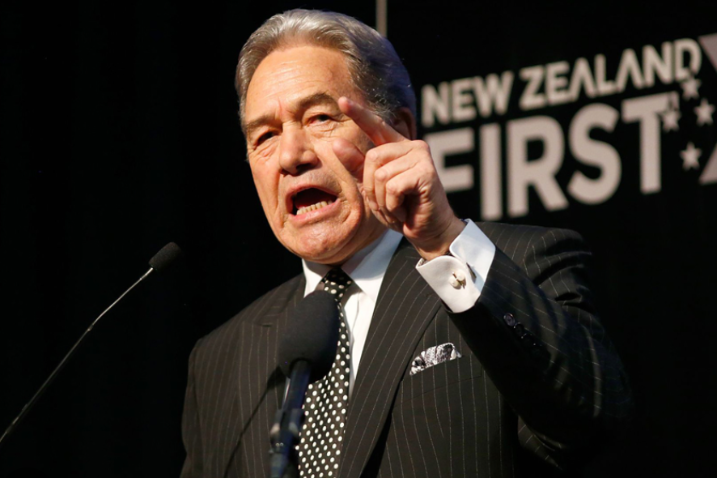
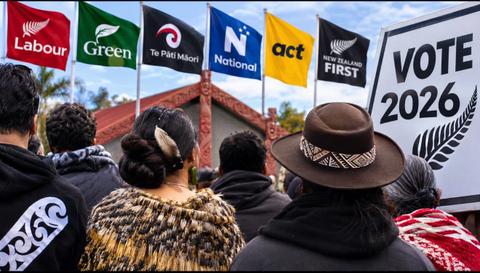
The distinction matters. His comments are both a criticism of campaign coverage and a pitch for why voters should pay more attention to New Zealand First.
A packed hall is a signal, not a result
Public meetings give people a chance to hear a politician at greater length. They can also reveal enthusiasm among supporters.
But attendance cannot establish how the country will vote. People choose to attend political meetings, and an enthusiastic audience may not reflect the views of an electorate or the wider population.
Peters’ confidence nevertheless remains firm. Asked by Pacific Media Network earlier this week about the possibility of New Zealand First failing to return to government, he replied: “We are going to win.”
That is a campaign prediction. Voters will determine the outcome.
What voters can take from the exchange
The useful question behind the dispute is whether campaign appearances help people assess what a party would actually do in government.
For voters still deciding, three questions cut through the spectacle:
- What is being promised? Look for a specific commitment rather than a slogan.
- How would it happen? Consider funding, timing and whether coalition partners would support it.
- What is the record? Compare the promise with the party’s previous decisions and delivery.
Those questions apply equally to Peters and the rivals he is criticising.
With election day on Saturday, 7 November, his “circus” remark adds another sharp exchange to the campaign. The more consequential test is whether parties use the remaining days to give voters clearer answers.