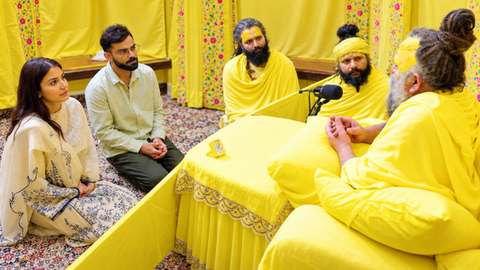
Mental health: A national study by Asian Family Services found 57 percent of respondents were at risk of depression – a sharp increase since 2021. Language barriers, stigma, and limited access to culturally appropriate counsellors mean many struggle in silence.
Employment: Job-seeking remains one of the hardest parts of settling. Skilled migrants often cannot find work that matches their qualifications. About 6 percent were unemployed in 2024, up from 2 percent in 2022. Many work below their skill level while building local experience.
Finances: Fifteen percent said they do not have enough money to meet daily needs, especially in Auckland, where housing costs are high.
Isolation: Thirty-six percent of newcomers do not yet belong to any club or community group. Those who do often find connection through churches, temples, or mosques – spaces that provide both friendship and guidance.
Public Reaction and Support
Most New Zealanders are positive about immigration. Global surveys show nearly half of Kiwis believe migration benefits the country, though some worry about housing and job competition. Across cities, local councils and iwi run “welcoming communities” events to help newcomers feel included.
Ethnic networks play a major role. In Auckland, Chinese, Indian, Pacific, and Filipino associations run workshops, festivals, and mentoring programs that make settlement easier. Churches are especially active – around 40 percent of Auckland congregations now serve a specific language or ethnic group. These communities offer English classes, youth groups, and practical help such as finding accommodation or furniture.
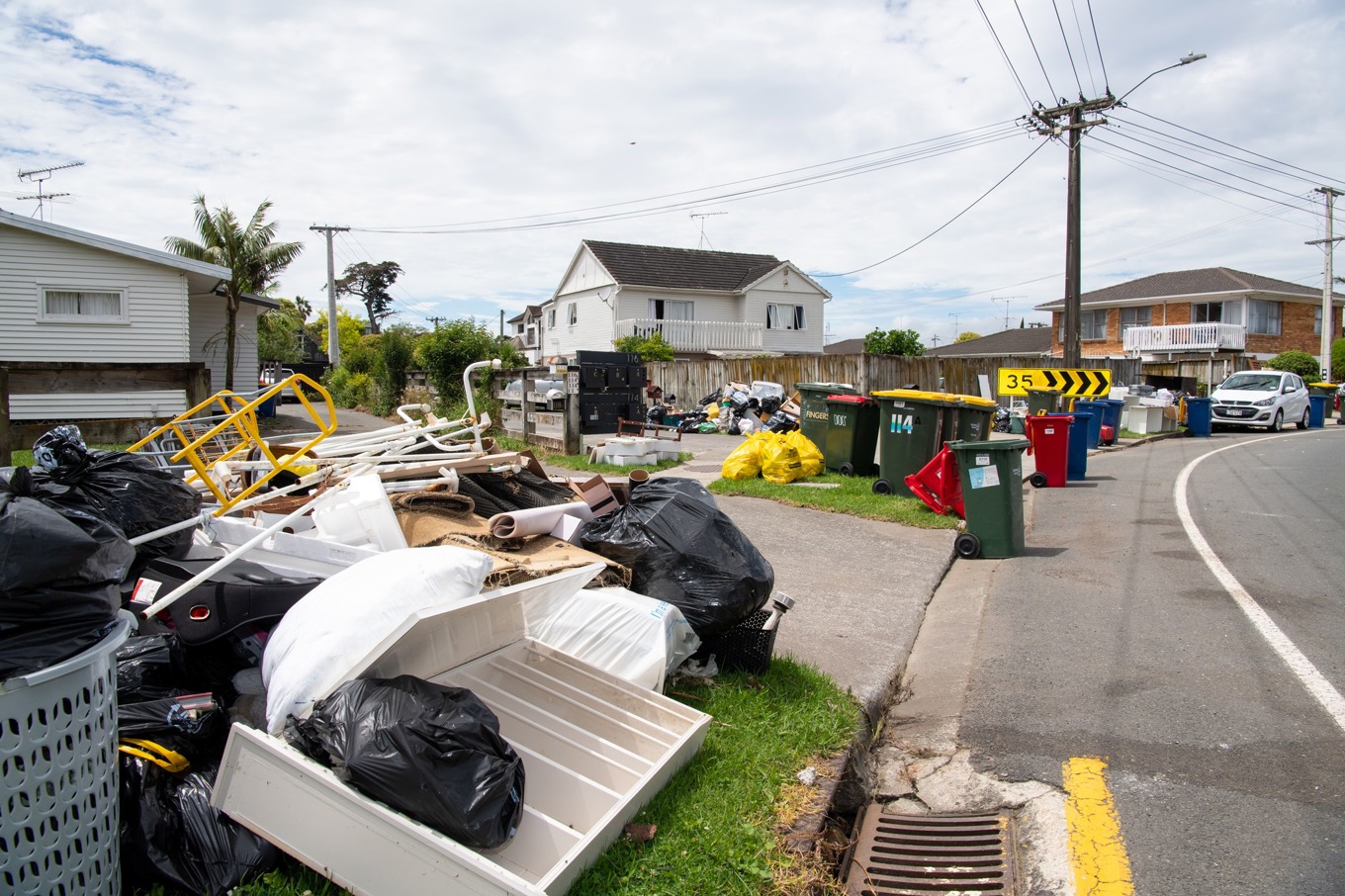
Experts note that local friendliness matters as much as formal support. A small act – a neighbour explaining Kiwi recycling rules or a colleague helping with forms – can make a newcomer feel accepted instead of lost.
Expert View
Sociologist Paul Spoonley says successful settlement is a two-way process: migrants adapt to their new society, and the society learns to include them. Auckland, he argues, relies on skilled, educated immigrants who bring energy and global connections.
New Zealand’s official Migrant Settlement and Integration Strategy sets five priorities: employment, education and English, health and wellbeing, housing, and community participation. The goal is for migrants to feel safe, valued, and able to contribute fully.
Mental-health leaders such as Kelly Feng of Asian Family Services call for more bilingual counsellors and school-based programs. Researchers also stress the need for better data on migrant wellbeing so policies can target real gaps.
Long-settled migrants often become mentors. They remind newcomers that the difficult middle stages of the settlement curve pass with time and community. Resilience, they say, grows from connection.
Conclusion
The settlement curve shows that migration is not a straight path. There is excitement, fear, doubt, and finally belonging. Each migrant’s story is different, but most find that patience, friendship, and openness make the journey easier.
Auckland’s diversity means almost everyone knows someone on that curve – a colleague, neighbour, or student adapting to life here. By offering understanding instead of judgment, New Zealand can help turn the final stage – “fitting in” – into something lasting: a shared sense of home.
References
- Ministry of Business, Innovation and Employment (2024) Migrant Survey
- Immigration New Zealand (2023) Migrant Settlement and Integration Strategy
- Asian Family Services (2025) Mental Health Report
- NZ Herald (2016) Auckland More Diverse Than London and New York
- Paul Spoonley, Massey University – Research on Migration and Diversity
- RNZ News (2025) “Silent Crisis”: Asian People Missing Out on Mental Health Support
- Quicktakes (2023) Public Perceptions of Immigration Survey