Webfit News: What issue connects the different communities across Rangitīkei?
Long: The cost of living comes up constantly, particularly in places such as Levin and Feilding. People also question whether politicians can deal with the big problems facing them. Compared with my previous campaigns, I find voters much more ready to talk about what is on their minds.
Webfit News: Some farmers think the Greens do not understand their businesses. What would you say to them?
Long: I would say we share a concern for the land, soil and water that farming relies on. I have not worked in agriculture myself, but I have made an effort to understand it, and there are people within the party with close farming connections.
I do hear the claim that Greens dislike farmers, but it is not something I encounter often. Most farmers want to protect the environment their businesses depend on.
Webfit News: What would actually change for a farmer under the approach you support?
Long: I want farmers to have support to reduce practices we see as harmful and, where it suits their businesses, move towards regenerative or organic farming. I support reducing nitrogen fertiliser use rather than banning it outright. I also support ending the use of palm kernel expeller as feed.
That transition is not simple. Farmers may have significant debt and systems built around their current way of working. They need practical help, not just instructions.
Webfit News: You worked in financial services. When parties promise more public services, where should the money come from?
Long: I think our tax system asks too much of people whose income comes from wages while wealth is treated differently. The Greens propose a tax on net assets above NZ$10 million, with the family home exempt, and a higher company tax rate for the largest corporations.
The party also proposes making the first NZ$10,000 of income tax-free. The aim is to reduce income tax for most people while raising revenue from those with the greatest wealth.
Webfit News: How would you tell whether a government had actually reduced poverty, rather than simply spent more money?
Long: You need to measure what life is like for children. Material hardship measures look at whether children have things they need, rather than judging success only by how much a government has spent. You can track those measures over time and see whether people’s circumstances have improved.
Webfit News: You have supported better passenger rail. How would that help people locally?
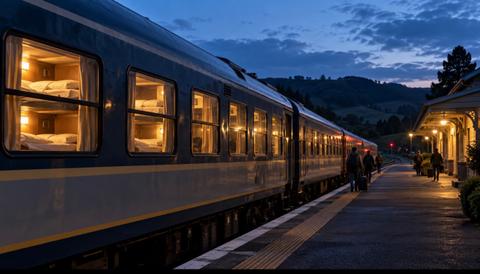
Long: Better connections between communities such as Ōtaki, Levin, Palmerston North and Wellington would give people more options for work and education. A young person should not necessarily have to move away and pay for accommodation just to study.
I also support the Greens’ proposal to make public transport free for people under 25 and eligible cardholders. Transport costs can be a real barrier.
Webfit News: What would help a 20-year-old build a future in Rangitīkei?
Long: Transport is part of it, but so are training and jobs. The Greens want to move towards fees-free tertiary education and support trades training. I would also like to see conservation work create employment, alongside jobs installing solar power in homes and businesses.
Webfit News: Which Green policy is hardest to explain on a doorstep?
Long: KiwiPower. The proposal is for a publicly owned power company that would help manage gaps in electricity supply, support more renewable generation and bring down power costs. There is a lot to explain in a short doorstep conversation, but the cost of electricity is something people understand immediately.
Webfit News: Imagine you had an extra NZ$100 million to spend on just one thing for Rangitīkei and surrounding communities. Where would it go?
Long: I would put it into training and support for agriculture to help farmers move towards regenerative and organic practices. I have seen examples where farmers have lower costs and less stress while earning more. But moving away from an established system takes support, especially when a farm carries substantial debt.
Webfit News: If we spoke again in three years, what would tell you politics had delivered for Rangitīkei?
Long: I would want to see measurable progress in helping farmers make that transition. I would also look for a reduction in youth unemployment. Those are outcomes people could check, rather than just promises made during a campaign.
Webfit News: A viewer asks what personal commitment you would make to voters who feel politicians appear at election time and then disappear.
Long: I would listen and be present. Financial planning taught me to understand what matters to the person sitting across from me before offering advice. I have respected electorate MPs from other parties who made themselves available to their communities. That is the kind of MP I would aspire to be.