Saturday 3 October 2026
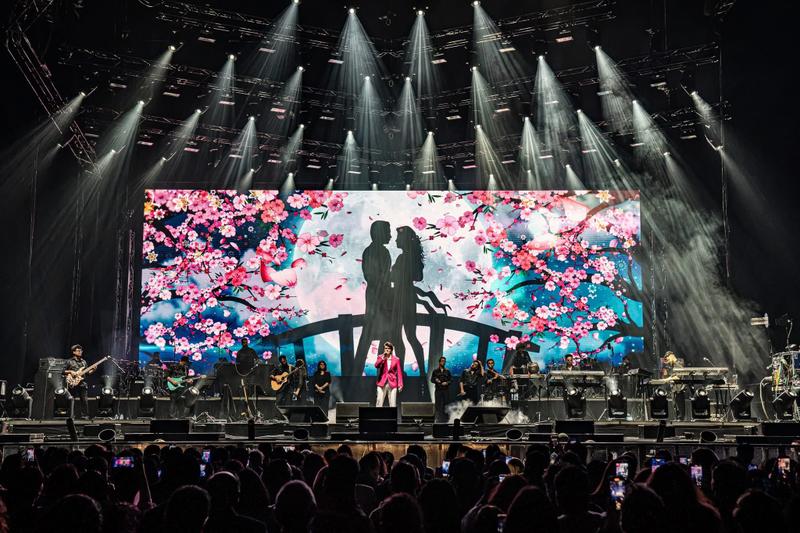
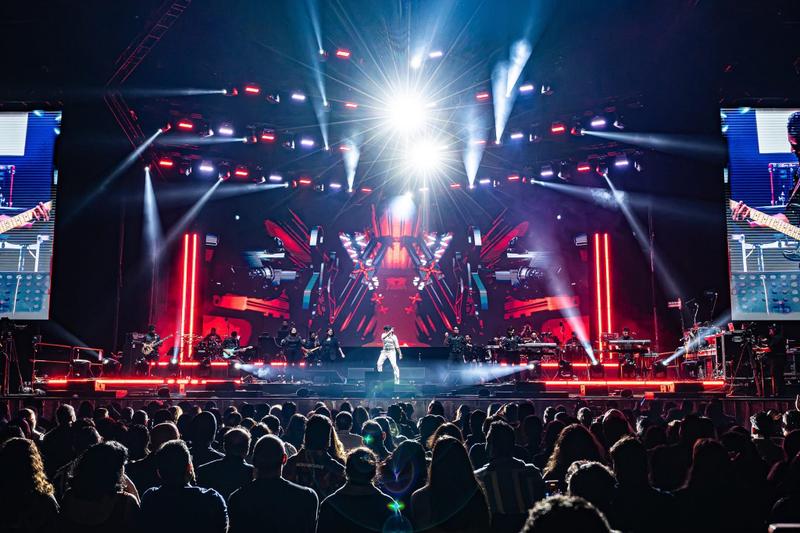
Sonu Nigam did not leave the Spark Arena stage once on Friday night. For three hours he sang, danced and talked with a packed Auckland crowd, then told them the night marked 50 years since he first stepped on a stage.
Saturday 3 October 2026 Sonu Nigam did not leave the Spark Arena stage once on Friday night.
Saturday 3 October 2026
Sonu Nigam did not leave the Spark Arena stage once on Friday night. For three hours he sang, danced and talked with a packed Auckland crowd, then told them the night marked 50 years since he first stepped on a stage.
The concert was brought to Auckland by local promoter RS Promotions with Auckland Indian Sweets & Snacks. It was the only New Zealand date on his Revolution Tour, which has already travelled through the Gulf, the United States and Canada.
For many in the arena, it was more than a concert. Grandparents sat beside grandchildren. Couples who fell in love to these songs sang them back to the man who recorded them. At times it felt like a family gathering that happened to be held in an arena.
Three hours, three moods
Nigam did not simply run through his catalogue. He built the evening in three distinct hours, each with its own flavour.
| Hour | Mood | What the crowd heard |
|---|---|---|
| First | The current hits | Songs from the past two years of his career |
| Second | The dance floor | His party numbers, closing with Bijuria |
| Third | Melody and memory | Sandese Aate Hain, Kal Ho Naa Ho, Mohabbatein and his songs with Lata Mangeshkar |
The first hour: still in demand
He opened with his songs of the last couple of years, and it was a deliberate choice. Rather than lean straight on nostalgia, he reminded the room that three decades into his career, Bollywood still calls on his voice for its newest films.
The crowd knew every word anyway. Phones went up early and stayed up.
The second hour: the arena on its feet
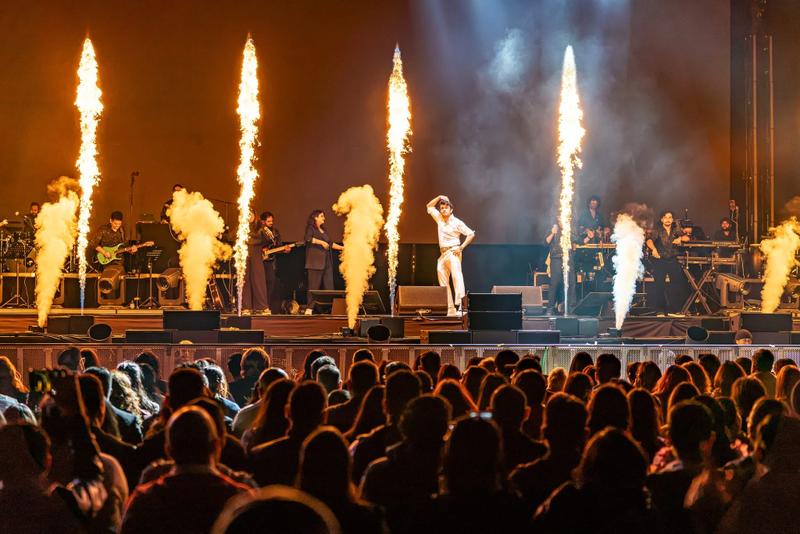
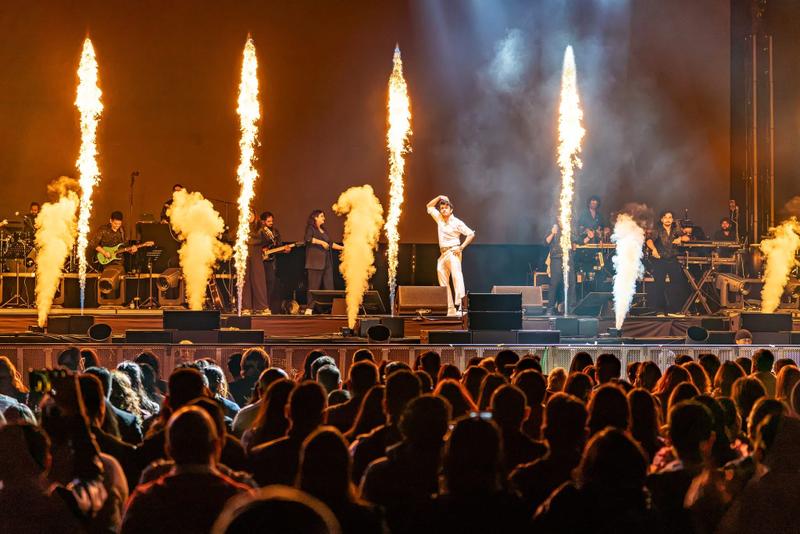
Then the tempo lifted. The middle hour was given over to his dance numbers, and Nigam did not leave the dancing to the audience. He moved across the stage with the energy of a performer half his age, and the floor seats emptied into the aisles.
He closed the section with Bijuria, his 1999 pop hit. Last year it was reworked for the film Sunny Sanskari Ki Tulsi Kumari, using his original vocals. That film opened on 2 October 2025, a year to the day before the Auckland show.
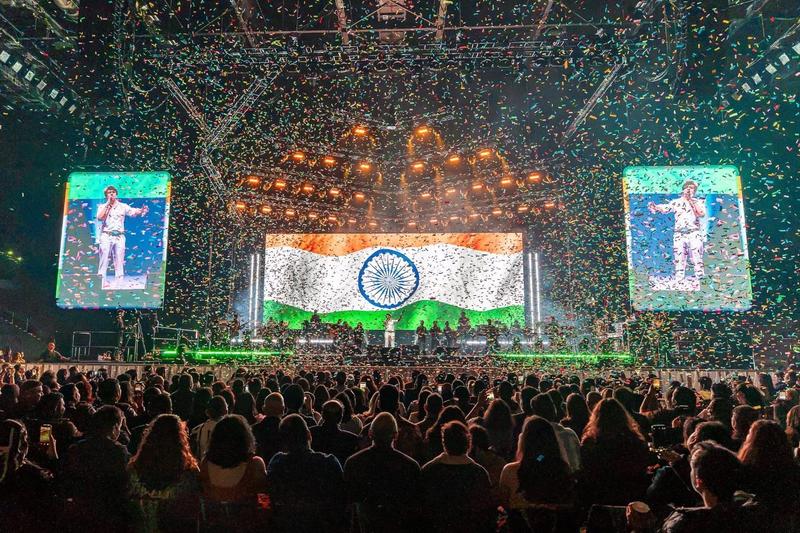
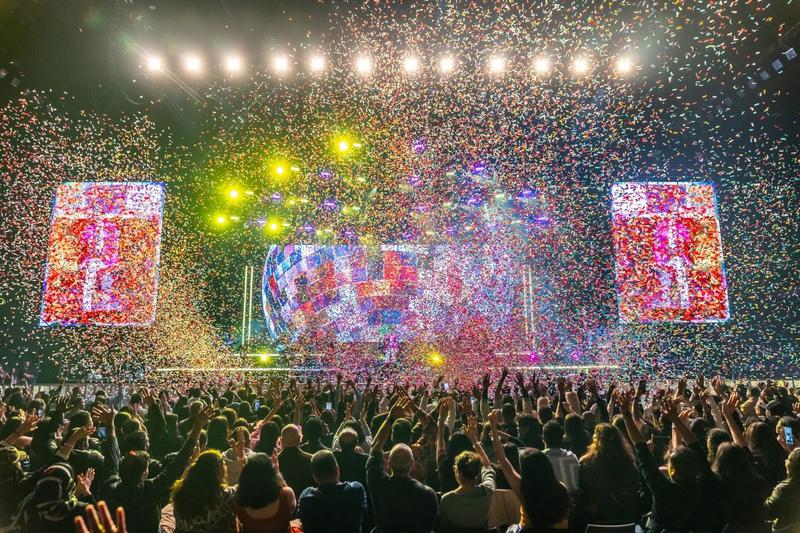
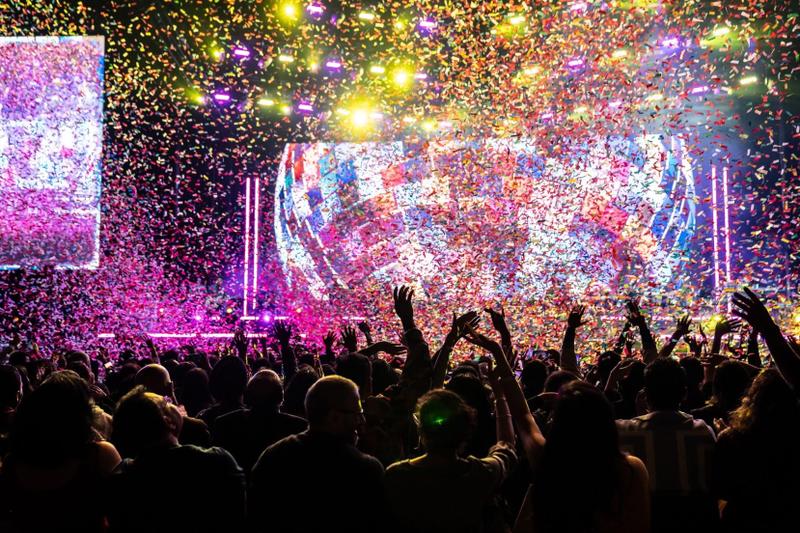
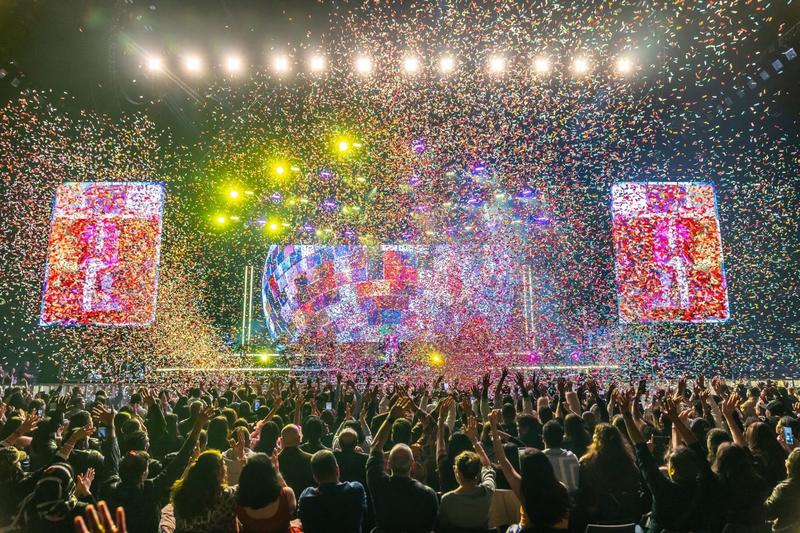
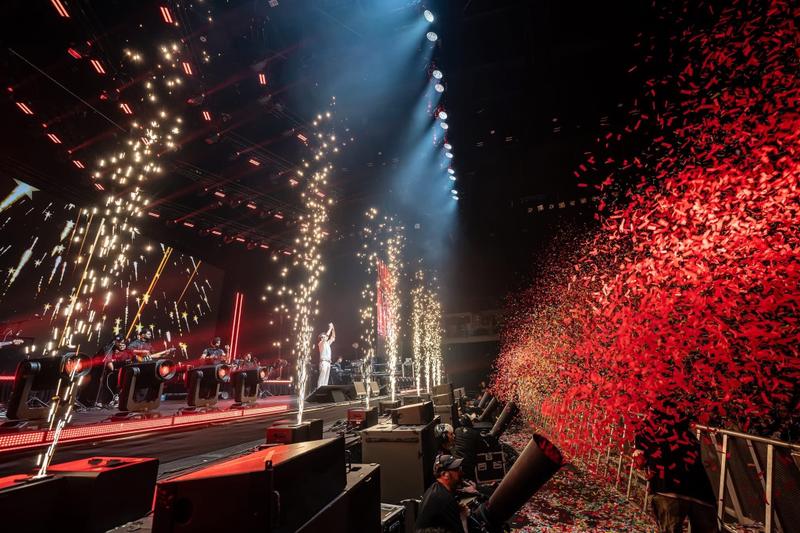
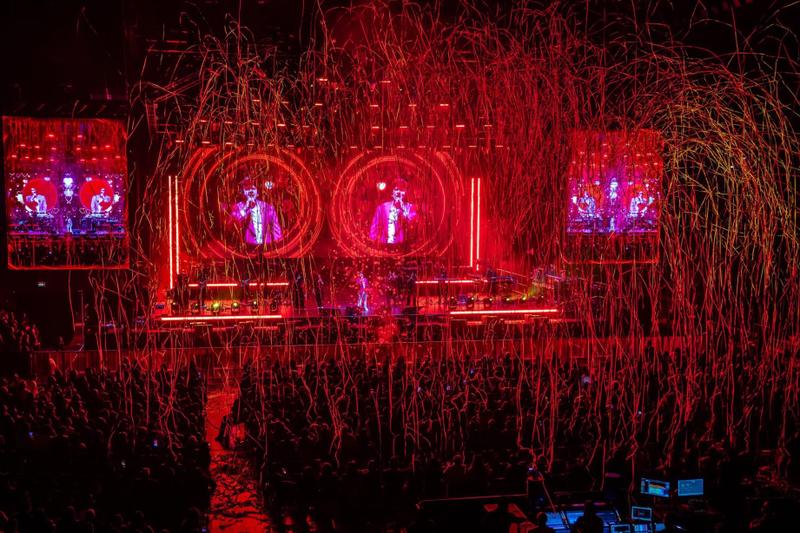
The reaction was instant. Streamers flew over the floor, and people who had come dressed in their best danced as though they were at a wedding.
The third hour: the songs that made him
The final hour slowed right down, and this is where the night found its heart.
He sang songs he recorded with Lata Mangeshkar, the singer often called the Nightingale of India, who died in 2022. For older fans in particular, hearing those songs again, from one of the voices that shared them, carried real weight.
Then came Sandese Aate Hain, from the 1997 war film Border. It is the song that turned Nigam from a promising young singer into a serious name. It is about soldiers far from home, waiting for word from the people they love. In a room full of people who have built new lives a long way from where they were born, it landed with particular force.
Kal Ho Naa Ho followed, the 2003 title song that won him a National Film Award, along with songs from Mohabbatein. By then the arena had gone quiet in the way only a big crowd can, thousands of people singing softly together.
Not a minute off stage
What stayed with people afterwards was his stamina. There was no interval and no costume break.
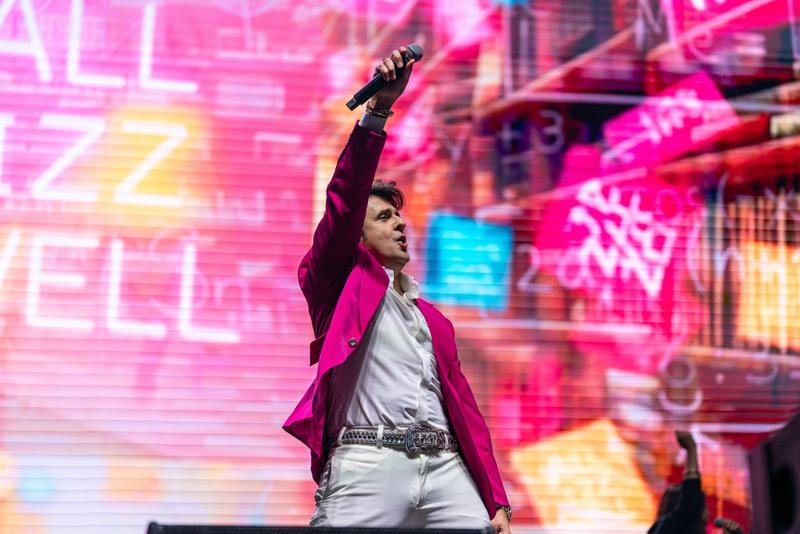
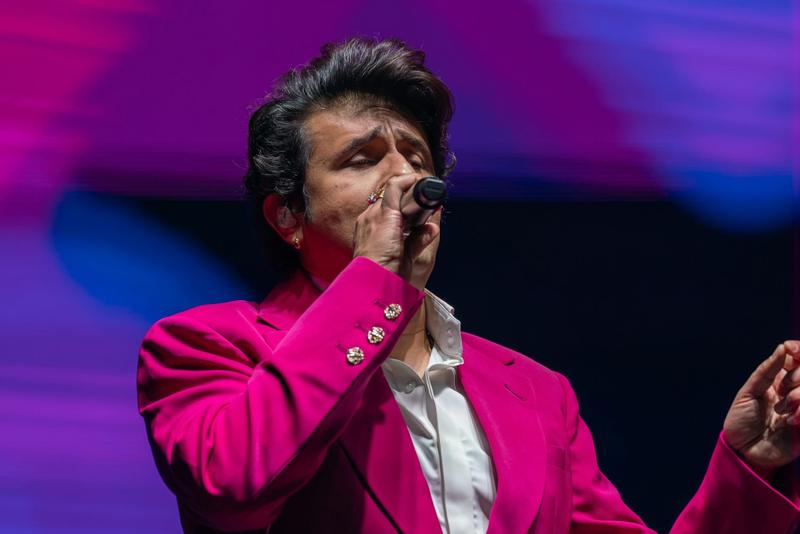
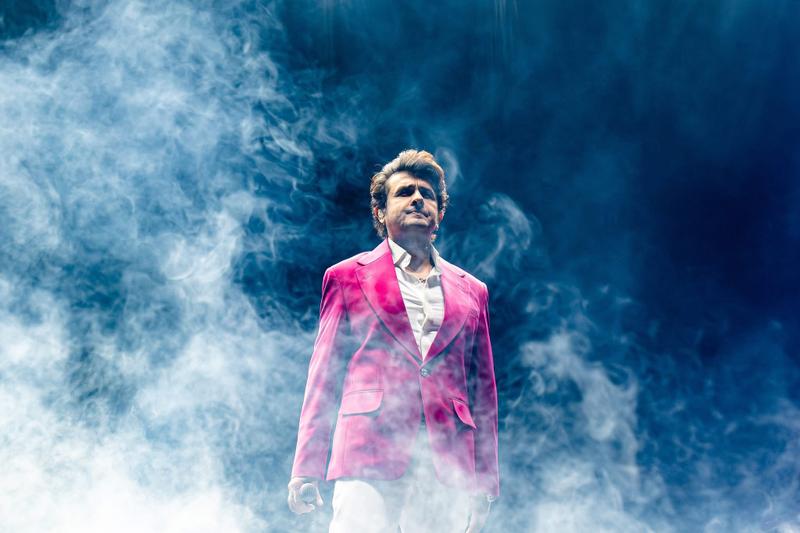
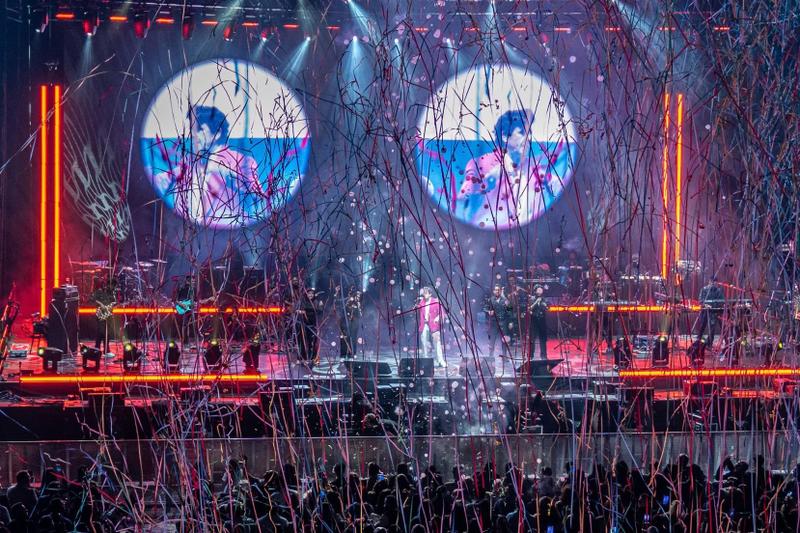
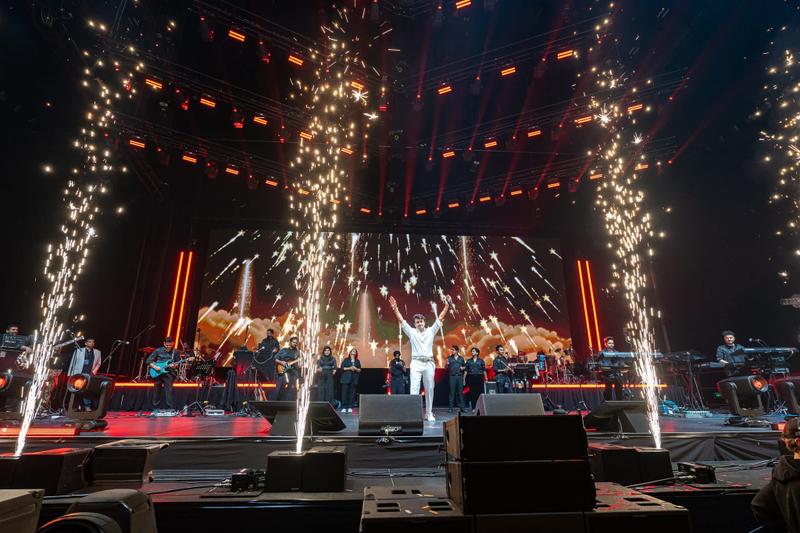
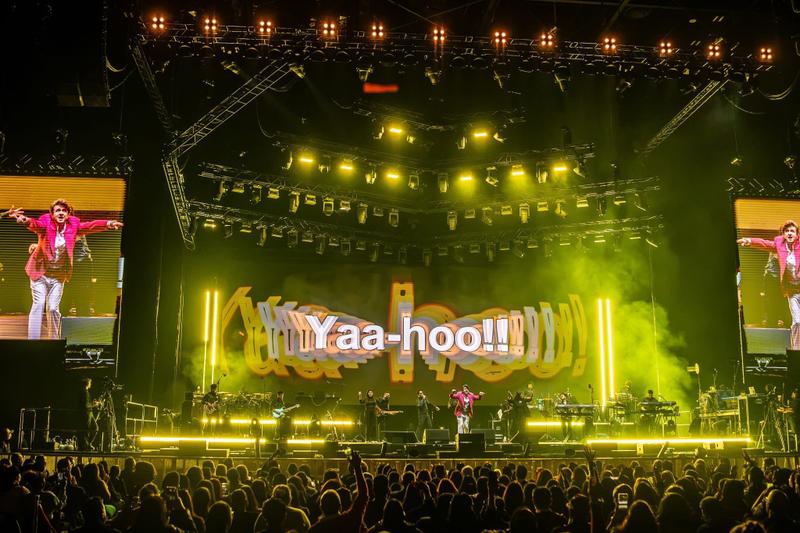
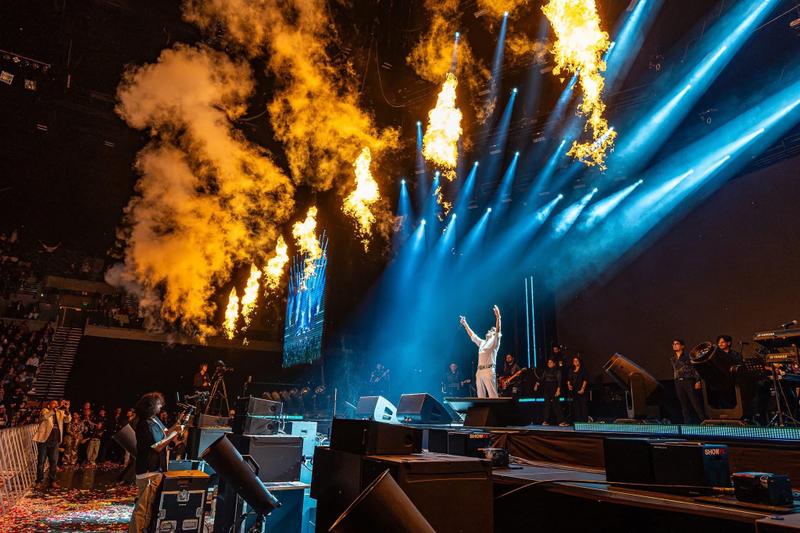
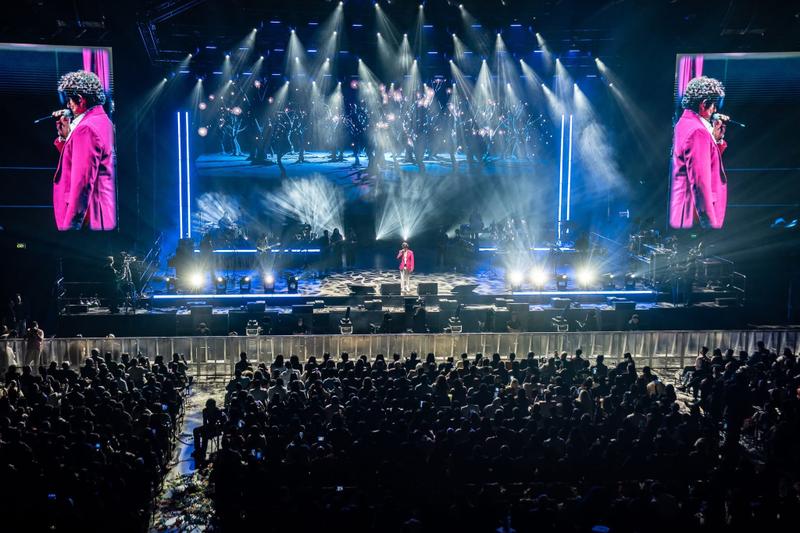
He opened in a magenta velvet blazer, white shirt and pink-tinted glasses, and finished in a white shirt and trousers. Behind him, a full live band and backing vocalists played beneath large LED screens, and a lighting rig washed the arena in red, white and gold. Spark fountains and a burst of confetti closed the night.
Why 50 years, and why 30?
Tour publicity overseas has billed Revolution as a celebration of 30 years of Sonu. On stage in Auckland, he spoke of 50. Both figures hold.
The 30 years covers his career as a Bollywood playback singer, the voice behind the songs actors lip-sync on screen. That career took off after he moved to Mumbai in the early 1990s. The 50 years goes back to his childhood, when he first performed on stage beside his father, singer Agam Kumar Nigam.
Why it matters for Auckland
Arena-scale Indian concerts have become a regular fixture on Auckland's events calendar, following the growth of one of the city's fastest-growing communities.
Filling an arena with an artist who sings mostly in Hindi is still a real commercial risk for a local promoter. Friday's turnout suggests the demand is there, and that audiences will pay arena prices for artists who rarely make the trip.
It also matters in a quieter way. Parents who grew up with these songs on cassette brought children who know them from streaming playlists, and for three hours both generations were singing the same words.
What happens next
The Revolution Tour now moves on to Australia, including Nigam's first appearance at Melbourne's Rod Laver Arena on 10 October.
For Auckland fans, the open question is how long they will wait for his next visit.
Fifty years after a small boy first sang on stage beside his father, he can still hold an arena in near silence. That, more than the confetti, is what Auckland will remember.
Sources: Webfit News attended the concert. Tour details from promoter and venue listings.