Reserve Bank seeks public feedback as New Zealand weighs major payments system overhaul
New Zealand’s payments system may be reliable, but the Reserve Bank says it is also outdated and increasingly out of step with international standards.
New Zealand’s payments system may be reliable, but the Reserve Bank says it is also outdated and increasingly out of step with international standards.
The Reserve Bank of New Zealand has opened a 10-week consultation on the future of the country’s retail payments system, asking businesses, financial institutions, industry groups and the public to provide feedback on the problems it has identified and the changes that may be needed.
Around $2 trillion in retail payments move between New Zealand banks every year, making the payments system a critical part of the country’s economic infrastructure.
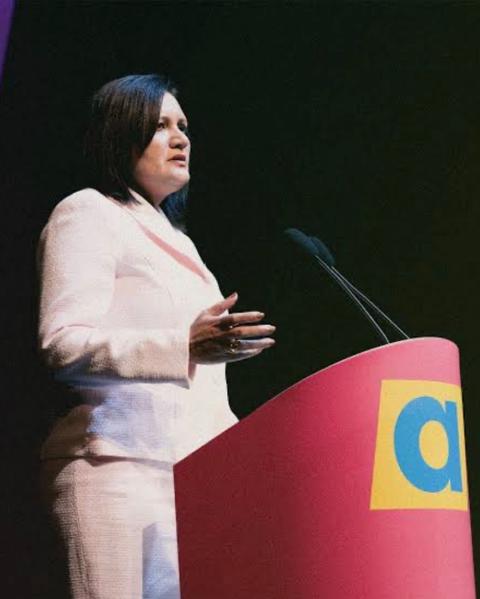
Assistant Governor Karen Silk said even relatively small improvements could have wider benefits for productivity, business competitiveness and economic resilience.
“Payment systems are core economic infrastructure and enable everyday transactions across the economy,” Silk said.
The Reserve Bank is now considering whether New Zealand should continue making gradual improvements to the existing system or pursue a more fundamental modernisation of the underlying infrastructure.
RBNZ says New Zealand has fallen behind
TravelGuides & Travelogues
The Reserve Bank’s assessment is blunt.
While New Zealand’s retail payments system is operationally dependable, Silk said it does not meet international best practice for modern and faster retail payment systems.
She said the country had fallen behind global standards because of outdated infrastructure, limited modern payment capabilities and insufficient innovation.
That matters because payments infrastructure sits behind almost every transaction in the economy, from consumers paying bills and buying groceries to businesses receiving money from customers and transferring funds to suppliers.
A system that is slow to evolve can create unnecessary costs and limit the development of new financial services.
The Reserve Bank argues that modernising payments could therefore have consequences well beyond the banking sector.
Two major workstreams established
The Reserve Bank has set up two workstreams to examine the future of the system.
The first will focus on the technical requirements needed to modernise payments infrastructure.
This work will assess what future payment architecture could look like and what technical capability would be required to support it.
The second workstream will focus on strategic leadership, regulatory coordination and system governance across the retail payments system.
That means the review is not only about technology.
It will also examine who should lead future payments development, how regulators and industry should work together, and how responsibility should be divided across the system.
Incremental reform or major rebuild?
One of the biggest questions is whether New Zealand should continue improving the current system step by step or make a more significant structural change.
TravelGuides & Travelogues
The Reserve Bank says this is one of the key strategic issues now under consideration.
Incremental reform may be less disruptive and cheaper in the short term.
A larger structural modernisation, however, could provide stronger long-term capability and greater resilience.
The consultation is designed to help determine which direction New Zealand should take.
Finance Minister backs RBNZ leadership
According to the Reserve Bank, the Minister of Finance has endorsed the central bank to lead the development of a national strategy for payments modernisation.
The work will be carried out in coordination with other government agencies and industry participants.
The Reserve Bank says the work closely aligns with its responsibilities in areas including financial stability, monetary policy, settlement operations and broader central bank policy.
That gives the project significance beyond day-to-day banking services.
Payments infrastructure is closely connected to financial system resilience, particularly during periods of market stress or operational disruption.
Industry involvement will be critical
The Reserve Bank has made clear that it does not expect to redesign the system alone.
Silk said a close relationship with businesses, payment providers, banks and other stakeholders would be essential.
“We cannot do this alone,” she said.
The Reserve Bank plans to work with government agencies, businesses, the payments industry and other interested groups to help shape the future direction of the system.
That cooperation will matter because any large-scale payment system reform could involve substantial investment and changes across multiple organisations.
Banks, merchants, technology providers and payment processors would all potentially be affected.
Consultation open until 27 October
The Issues Paper consultation will remain open for 10 weeks, with submissions closing on 27 October 2026.
The Reserve Bank is inviting feedback from anyone with an interest in the future of New Zealand’s payments system.
After the consultation closes, the RBNZ will analyse submissions and prepare advice for Ministers on possible reforms and future work.
Silk said that advice is expected to be completed in the first half of next year.
A proposed roadmap and business case will also be developed.
Further public consultation is expected after that, including discussion on proposed roles, responsibilities and policy options.
The Reserve Bank says cost-benefit analysis will form part of the next stage.
Why payments modernisation matters
For most people, payments infrastructure is something they rarely think about until it stops working.
But the system sits behind everyday transactions across the entire economy.
If the underlying infrastructure is outdated, it can limit faster payments, reduce flexibility for businesses and slow the introduction of new services.
By contrast, a modern payments system can potentially make transactions faster, more efficient and more resilient.
The Reserve Bank’s consultation therefore raises a bigger question than simply how banks move money.
It is ultimately about whether New Zealand’s financial infrastructure is keeping pace with the way people and businesses now expect to pay, receive and transfer money.
The next 10 weeks will give industry and the public an opportunity to influence what that future system could look like.
Source
This article is based on a 18 August 2026 press release from the Reserve Bank of New Zealand concerning its Issues Paper and consultation on payments system modernisation.
All figures, statements and timelines in this report are drawn from that release.