What Changes for New Zealand’s Wood Industry?
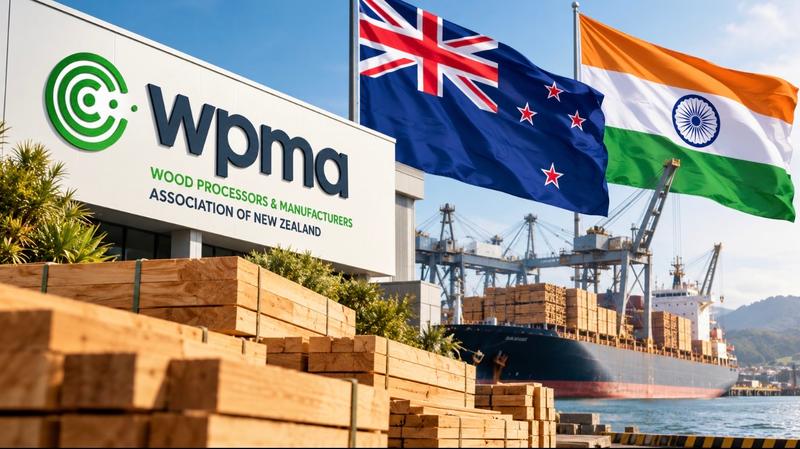
WPMA estimates that New Zealand’s current wood processing and forestry exports to India are worth approximately $193 million.
Before the agreement, applicable Indian tariffs included 5% on logs and pulp and 10% on wood products.
The removal of those tariffs creates potential savings across the sector.
|
Key measure
|
Industry position
|
|
Current wood and forestry exports to India
|
Approximately NZ$193 million
|
|
Exports receiving immediate tariff-free access
|
More than 95%
|
|
Previous tariff on logs and pulp
|
5%
|
|
Previous tariff on wood products
|
10%
|
|
Remaining tariff reductions
|
Phased out over seven years for almost all remaining wood trade
|
|
Estimated annual benefit
|
More than NZ$10 million in tariff savings and additional revenue opportunities
|
Source: Wood Processors and Manufacturers Association of New Zealand, 20 October 2026.
These figures are industry estimates based on existing trade volumes, rather than confirmed savings already received by exporters.
The actual financial benefits will depend on the products exported, their tariff classifications, eligibility for preferential treatment and commercial arrangements with Indian buyers.
Why the $10 Million Figure Matters
For exporters, tariffs directly affect the cost of supplying overseas markets.
Removing a 5% or 10% duty can improve competitiveness, particularly where buyers are sensitive to price.
The benefit may allow New Zealand exporters to negotiate better contracts, improve margins or offer more competitive prices.
However, the removal of tariffs does not necessarily mean exporters will retain every dollar saved.
Some of the benefit could flow to Indian importers, manufacturers or end customers through lower prices.
The estimated $10 million represents an economic opportunity for the sector, not a guaranteed $10 million increase in profits for New Zealand businesses.
That distinction matters when assessing the agreement’s eventual contribution to the economy.
The Bigger Opportunity: Selling More Than Raw Logs
New Zealand’s forestry industry supplies both raw materials and processed wood products to international markets.
WPMA represents businesses involved in sawn timber, pulp, paperboard, engineered wood products and other forms of wood manufacturing.
This creates an important distinction.
Exporting raw logs generates revenue, but processing timber into higher-value products can support additional manufacturing activity, specialised skills and employment within New Zealand.
The new trade agreement improves access for both categories, but the longer-term economic value may depend on whether it encourages businesses to invest in domestic processing.
For example, an exporter selling raw logs may benefit from a reduction in tariffs.
A New Zealand manufacturer exporting finished timber products could also benefit, potentially retaining more processing activity within the country.
But manufacturing decisions depend on several factors beyond tariffs, including energy costs, labour availability, capital investment, transport and market demand.
A trade agreement can make processed products more competitive overseas. It cannot, by itself, make manufacturing in New Zealand commercially viable.
That is the challenge behind the industry’s latest opportunity.
WPMA Welcomes the Agreement
WPMA chief executive Mark Ross says the timing is important for New Zealand’s wood processing and forestry sector.
The association believes the agreement will strengthen the industry’s position in India and create meaningful opportunities for exporters.
WPMA has also acknowledged the New Zealand Government and trade negotiators for securing improved market access.
The organisation represents companies across the wider wood processing and manufacturing sector and advocates for the industry’s contribution to economic growth, regional development and environmental sustainability.
What Does This Mean for Regional New Zealand?
Forestry and wood processing are closely connected to regional economic activity.
Timber harvesting, transport, sawmilling and manufacturing can support businesses and employment outside the country’s major cities.
Improved access to India may strengthen demand for products from these industries.
However, the regional impact will depend on how businesses respond.
If exporters increase sales of existing products without expanding operations, the employment effects may be limited.
If improved demand encourages investment in sawmills, engineered wood production or other manufacturing facilities, the economic benefits could extend further into regional communities.
Neither outcome is guaranteed.
The important measure will be whether increased export opportunities translate into sustained local production, investment and employment.
How This Fits Into the Wider India–NZ Trade Agreement
The wood industry’s announcement follows the agreement’s entry into force on 20 October.
Under the broader deal, 57% of New Zealand’s current exports to India become tariff-free immediately, with further reductions scheduled from 1 January 2027.
Wood and forestry products are among the sectors receiving substantial immediate benefits.
This is consistent with the separate opportunities announced for New Zealand wine exporters, although the tariff arrangements differ.
While most existing wood exports receive immediate tariff-free treatment, wine tariffs will reduce progressively over ten years.
The two industries therefore face different implementation timelines and commercial challenges.
Webfit News Analysis: The Real Test Is What New Zealand Does With the Savings
The India–New Zealand FTA has removed a significant trade barrier for the wood processing and forestry industry.
WPMA’s estimate of more than $10 million in annual savings and revenue opportunities provides a tangible indication of the potential benefit.
But the larger question is how those savings will be used.
Will businesses invest in new processing equipment?
Will more finished wood products be manufactured in New Zealand?
Will regional employers expand their operations?
Or will the agreement primarily improve margins and competitiveness within existing export arrangements?
All of these are possible outcomes, and each would have different implications for the wider economy.
The tariff savings are the immediate opportunity. The lasting economic value will depend on whether they help New Zealand sell more, manufacture more and invest more.
For the wood processing and forestry sector, that is the real test of the new trade agreement.
Sources and Acknowledgements
Primary source: Wood Processors and Manufacturers Association of New Zealand (WPMA), NZ–India FTA Opens New Opportunities for Wood Processing, 20 October 2026.