NZ Navy’s Uncrewed Vessels Identify 137 Vessels of Interest During Fiji Surveillance Mission
Two New Zealand-operated, renewable-energy-powered vessels spent four weeks monitoring Fiji’s waters, demonstrating how round-the-clock surveillance could strengthen border...
Two New Zealand-operated, renewable-energy-powered vessels spent four weeks monitoring Fiji’s waters, demonstrating how round-the-clock surveillance could strengthen border security and help authorities identify suspicious maritime activity.
By Webfit News | 19 October 2026 | Defence & Pacific Affairs
A joint maritime surveillance operation involving the Royal New Zealand Navy (RNZN), New Zealand Customs Service and Fijian authorities has identified 137 vessels of interest during a four-week deployment in Fiji’s Exclusive Economic Zone (EEZ).
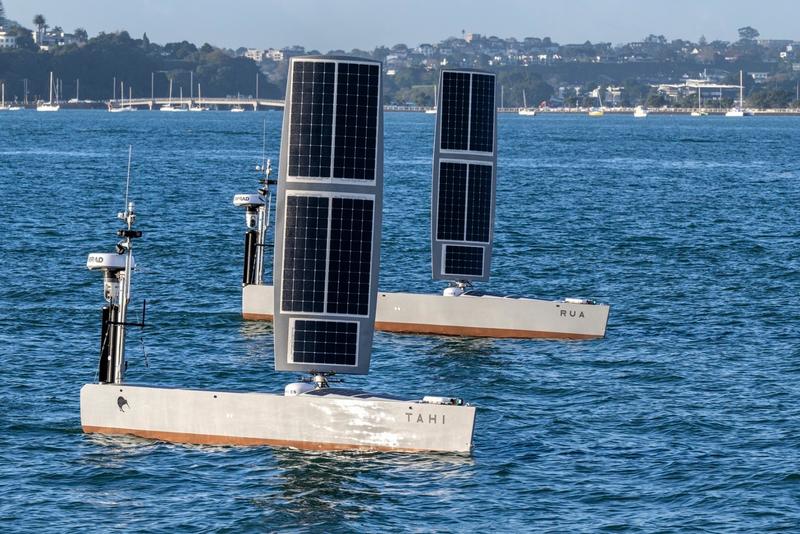
The operation used two uncrewed surface vessels, named Tahi and Rua, to monitor maritime routes continuously, gathering information that could help Fijian authorities distinguish routine shipping activity from potentially suspicious movements.
The deployment was conducted at the request of the Government of Fiji and forms part of wider cooperation between New Zealand and Fiji to strengthen maritime security and counter transnational threats.
Four Weeks at Sea, 137 Vessels Flagged for Scrutiny
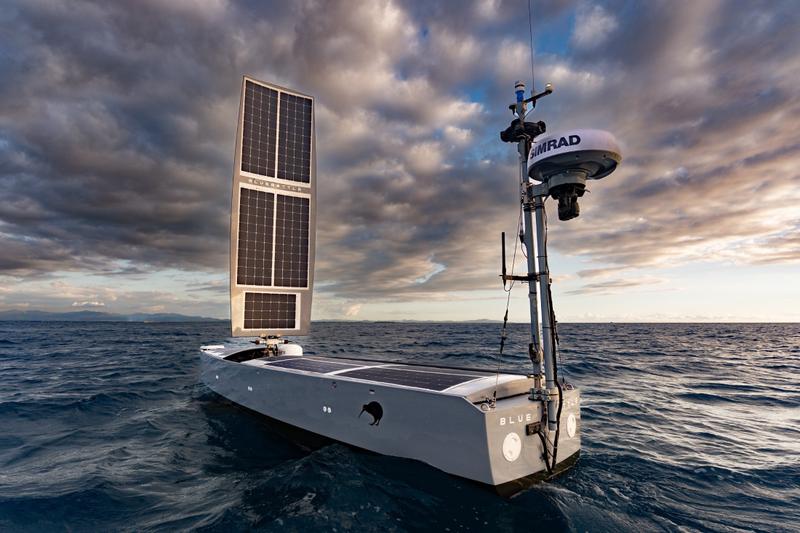
Unlike conventional patrol boats, Tahi and Rua can operate for weeks without crews onboard or routine fuel resupply.
Powered by wave, solar and wind energy, the vessels are equipped with surveillance cameras, positioning systems and communications technology that transmit observations to a remote monitoring centre.
During the deployment, they conducted 24-hour surveillance along known maritime routes.
Together, they identified 137 vessels requiring additional scrutiny.
Importantly, being identified as a vessel of interest does not mean a vessel was engaged in criminal activity. The operation was designed to establish a clearer picture of normal maritime traffic patterns, rather than announce arrests or confirmed drug seizures.
By building this baseline, authorities hope to become better at recognising unusual movements, identifying potentially suspicious vessels and directing future patrols more effectively.
From New Zealand to Fiji: How the Operation Worked
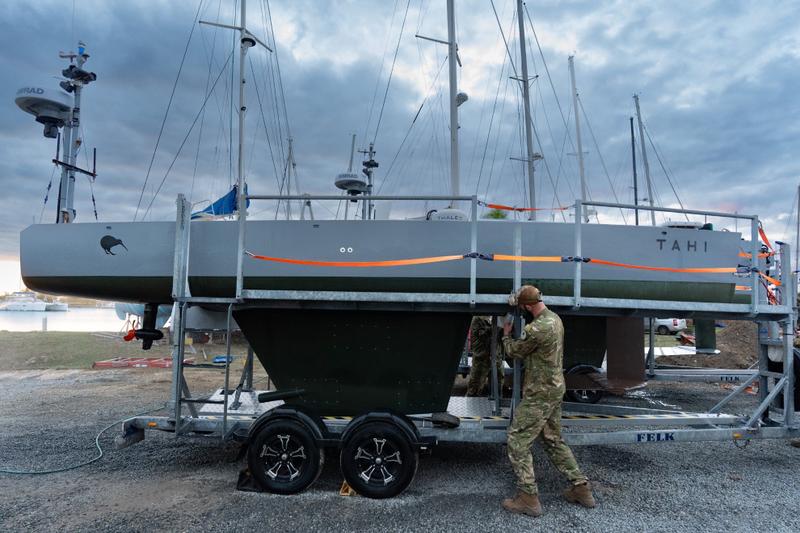
The two vessels were transported to Nadi aboard a Royal New Zealand Air Force C-130J Hercules aircraft.
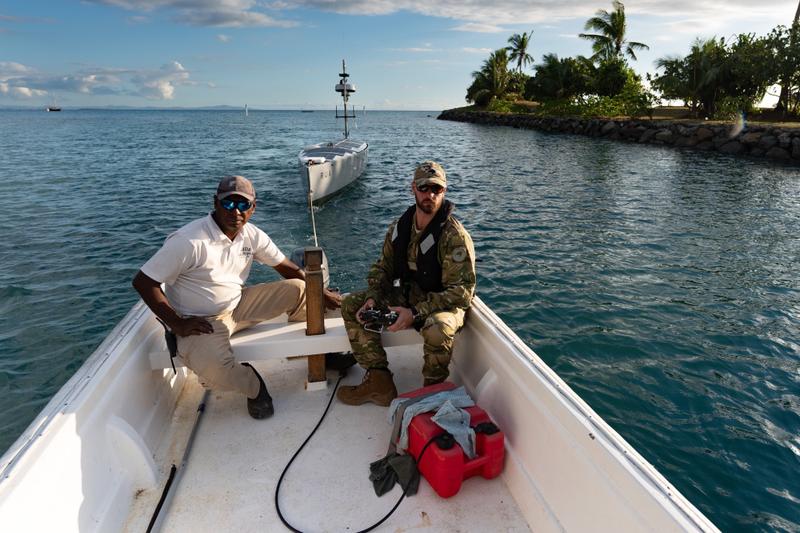
From there, they travelled by road to Vuda Marina, where they were launched into Fijian waters.
Once deployed, their onboard systems collected information about maritime activity and transmitted observations to personnel monitoring the operation remotely.
The mission focused on what defence and security agencies call a “pattern of life”, a method of understanding routine activity in a particular area.
This helps authorities establish what normal vessel movements look like before identifying activity that falls outside expected patterns.
The information gathered is now being assessed by Fiji’s Maritime Essential Services Centre (MESC) in Suva.
Fiji Looks to Technology to Combat Drug Trafficking
Fijian authorities see the technology as a potential tool in their efforts to tackle the movement of illegal narcotics through Pacific waters.
MESC director Lemeki Lenoa said there was considerable interest in developing both crewed and uncrewed surveillance capabilities.
“The ultimate goal is to ensure we have persistent presence, feeding back here into the MESC,” Lenoa said.
He highlighted the ability of renewable-energy-powered vessels to reduce reliance on personnel and fuel.
“We can deploy them into areas to help understand what is happening in our maritime domain, and that helps us – Navy, Customs, Fisheries, Police – develop capabilities and capacity to better respond to threats.”
The MESC brings together agencies and international partners to coordinate information and responses to maritime security challenges.
Intelligence obtained through surveillance can potentially help authorities determine where further investigation, interception or boarding operations may be necessary.
Why Persistent Surveillance Matters
Fiji’s vast maritime area presents significant challenges for traditional patrol operations.
Conventional vessels require crews, fuel, maintenance and regular logistical support.
Uncrewed vessels offer a different approach.
Capability
Tahi and Rua
Vessel type
Uncrewed Surface Vessels
Operating agencies
Royal New Zealand Navy and New Zealand Customs Service
Deployment area
Fiji’s Exclusive Economic Zone
Deployment duration
Four weeks
Vessels of interest identified
137
Surveillance
Around the clock
Energy sources
Wave, solar and wind
Monitoring
Remote surveillance centre
Main mission
Understanding maritime traffic patterns and identifying activity requiring scrutiny
Their value lies not simply in detecting individual vessels, but in maintaining surveillance over extended periods.
This could allow crewed patrol boats to be deployed more selectively when authorities identify activity requiring direct intervention.
However, the supplied operation report does not establish how many of the 137 vessels were subsequently investigated, intercepted or cleared.
Fijian Navy: Technology Could Strengthen Border Protection
Chief of the Fijian Navy, Commodore Timoci Natuva, welcomed the technology as an addition to the country’s maritime security capabilities.
“This technology is fundamental in supporting Fiji’s fisheries and border surveillance, environmental monitoring and the protection of the country’s extensive maritime domain,” he said.
Natuva also highlighted the impact of illegal narcotics on Fijian communities.
“Illegal narcotics entering our country is causing so much harm and misery to our people, so any means to combat this is beneficial to the nation.”
The technology could support more than drug enforcement.
Continuous maritime monitoring may also help authorities understand fishing activity, identify unusual vessel movements and improve environmental surveillance.
Why New Zealand Is Involved
The deployment reflects the security relationship between New Zealand and Fiji under the Duavata Partnership, signed in 2022.
The partnership identifies defence cooperation, maritime security, border protection, capability development and responses to transnational threats as shared priorities.
NZDF Maritime Component Commander Commodore Shane Arndell said the operation demonstrated New Zealand’s commitment to that relationship.
“And it is not just because it delivers practical security outcomes for Fiji,” Arndell said.
“Anything we can do to disrupt the supply of narcotics into our Pacific Island neighbours is also proven to disrupt supply into New Zealand.”
His comments underline the shared nature of maritime security challenges in the Pacific.
Drug trafficking networks and other transnational threats can operate across national borders, making cooperation between Pacific governments and security agencies increasingly important.
A New Approach to Pacific Maritime Security?
The deployment provides an example of how uncrewed systems may complement conventional maritime patrols.
Rather than replacing naval vessels or enforcement officers, the technology can extend surveillance coverage and provide information to support decisions about where personnel and resources should be deployed.
The Fiji operation demonstrated the ability to maintain surveillance for four weeks and identify vessels requiring further examination.
But the longer-term effectiveness of the approach will depend on how the collected intelligence is used, whether suspicious activity can be investigated successfully and how the technology performs during future deployments.
For now, Tahi and Rua have returned to New Zealand and are available for their next assignment.
The central lesson from the Fiji deployment is that maritime security is not only about intercepting suspicious vessels. It is also about understanding what is happening at sea before deciding where enforcement action is needed.
Source: New Zealand Defence Force media release supplied to Webfit News.
Photo credits and captions
Photo 1: An HMNZS Matataua operator and Fijian colleague remotely guide an uncrewed surface vessel towards shore.
Photo 2: An uncrewed surface vessel conducting surveillance in Fiji’s Exclusive Economic Zone.
Photo 3: An uncrewed surface vessel on its trailer, ready for transportation.
Photo 4: Tahi and Rua operating together in the Hauraki Gulf, New Zealand (file photo).