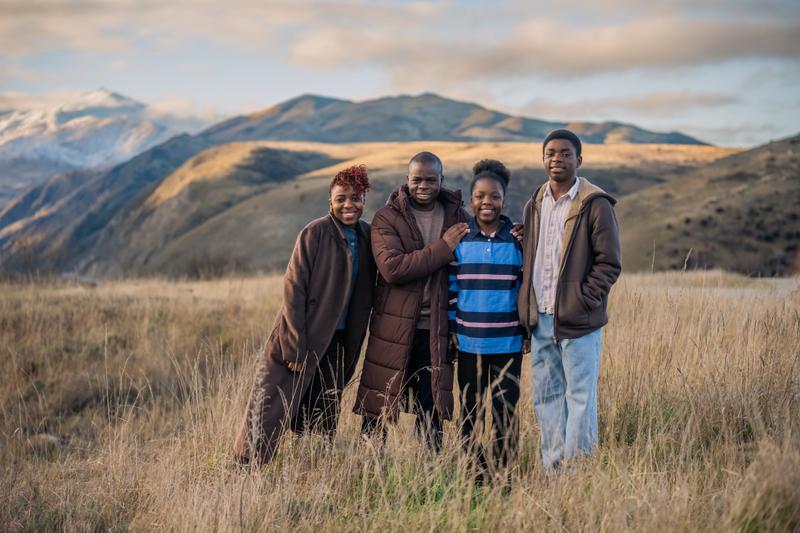
In New Zealand, that dream began taking shape through an unlikely venture: raising Boer goats in Central Otago.
What started with a modest herd would eventually become a story of business growth, devastating loss and a community determined to help him succeed.
From 42 Goats to More Than 200
In 2025, Conrad applied for a year-long business mentorship programme to help turn his farming ambitions into a sustainable business.
He had already begun building a Boer goat herd but recognised that establishing an agricultural enterprise in a new country required more than enthusiasm.
He needed practical knowledge, industry connections and someone experienced who could help him navigate unfamiliar challenges.
Through Business Mentors New Zealand, Conrad was paired with a mentor based in the North Island.
Despite the distance, their regular online conversations became an important source of guidance.
The mentorship helped him explore potential markets, connect with experienced farmers and make more informed decisions about expanding his operation.
The results were significant.
Conrad grew his herd from 42 Boer goats to more than 200.
But perhaps the most valuable lesson was knowing when not to expand.
At one stage, Conrad became interested in adding llamas and cattle to his farming plans.
His mentor encouraged him to remain focused on the business he had already started.
For an entrepreneur with several ambitions, that advice helped keep his attention on building a strong foundation for his goat farming venture.
A Buyer Wanted 1,000 Goats. Conrad Wasn’t Ready, But It Changed His Thinking
One of the most memorable moments in Conrad’s journey came when a potential buyer from Korea visited with a specialist chef.
The discussion centred on a possible order for 1,000 Boer goats.
For someone who had started with just 42 animals, the scale of the enquiry was extraordinary.
Conrad recognised that his operation was not yet large enough to fulfil an order of that size.
No completed sale has been reported.
Nevertheless, the enquiry gave him something important: a clearer picture of what his business might eventually become.
It demonstrated potential international interest while highlighting the need to build capacity before pursuing larger commercial opportunities.
For Conrad, the experience was a reminder that a small farming operation could have ambitions extending well beyond its local market.
Then Came a Devastating Loss
Just as Conrad was making progress, his farming journey suffered a serious setback.
According to the account shared by the organisations supporting him, 60 goats were lost after paddock wires were cut and the animals were subsequently found to have been culled.
The circumstances surrounding the cutting of the wires and the subsequent culling have not been independently established in the information provided.
For a developing livestock business, losing 60 animals represents more than a financial setback.
It can affect breeding plans, future sales, cash flow and the time needed to rebuild a herd.
For Conrad, who had invested considerable effort into expanding his operation, the loss was particularly difficult.
But he chose not to abandon his plans.
Instead, he began looking at how to rebuild, drawing strength from the people who had become part of his journey.
When a Community Becomes Part of the Business
Conrad’s mentorship was originally intended to provide professional guidance.
What happened next went much further.
After his story was shared publicly through a media release, people began contacting him.
Some offered advice. Others made introductions to people in the farming industry. Some even offered goats from their own herds.
What began as a one-to-one mentoring relationship developed into a wider network of people willing to help.
For a family that had moved countries only a few years earlier, those connections carried significance beyond business.
They represented a growing sense of belonging.
Through the combined involvement of Business Mentors New Zealand, Business South and Central Otago Welcoming Communities, Conrad gained access to people who understood both his commercial ambitions and the challenges of establishing a new life in New Zealand.
The support has become especially important as he works towards recovering from the loss of his animals.
More Than Business Growth: Finding a Place to Belong
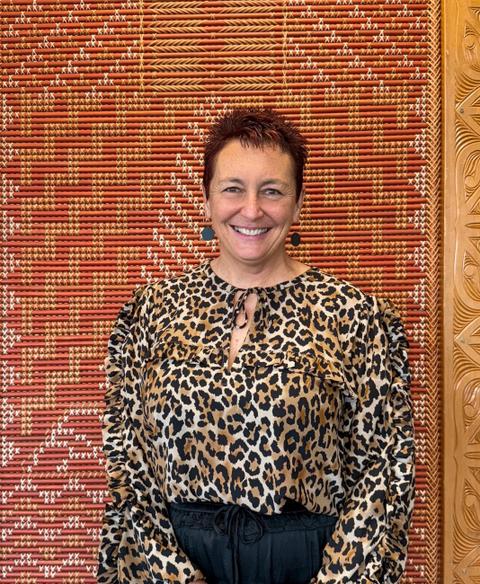
Heather Harries, Central Otago Welcoming Communities Officer, believes Conrad’s experience demonstrates what can happen when communities actively support newcomers.
“This is about more than business growth,” she said.
“It is about people finding their place, sharing their strengths, and being embraced by a community that believes in their potential.”
Her comments capture an important aspect of Conrad’s journey.
New Zealand’s immigration story is often discussed in terms of workforce shortages, qualifications and the economic contributions migrants make through employment.
Conrad’s experience highlights another dimension.
A skilled migrant can contribute through an established professional career while also pursuing entrepreneurial ambitions that create new relationships and potentially new economic activity.
Conrad arrived through the Skilled Migrant Category pathway and continues to work in finance.
At the same time, he is building a farming venture shaped by his family’s agricultural background.
His story shows how professional skills, personal ambitions and community connections can come together in unexpected ways.
The Bigger Question: How Many Migrant Dreams Never Get This Support?
Conrad’s progress also raises a broader question about the support available to people trying to establish businesses in an unfamiliar country.
Having professional experience does not automatically mean someone understands New Zealand’s farming practices, commercial networks or regulatory environment.
For newcomers, finding the right contacts can be as important as securing finance or developing a business plan.
Mentorship programmes can help bridge that gap by connecting people with experienced advisers who understand local conditions.
But Conrad’s experience also illustrates something harder to measure.
The introductions, encouragement and offers of practical assistance he received were not simply business transactions.
They were signs of a community making room for someone with a different background and a shared ambition.
That kind of support does not guarantee commercial success, but it can make the challenges of starting again easier to navigate.
Webfit News Perspective: Success Isn’t Always a Straight Line
Conrad Kamota’s journey is not a finished success story.
He has grown a herd, attracted potential commercial interest and developed valuable industry connections.
He has also suffered a substantial setback and still faces the challenge of building a sustainable farming operation.
There is no certainty about how large his business will become or whether future export opportunities will materialise.
But there is something meaningful in what has already happened.
A man who arrived in New Zealand in 2023 with a professional career and a farming dream has found people willing to help him pursue both.
His greatest achievement may not be growing from 42 goats to more than 200. It may be building the relationships that give him a reason to keep going after losing 60 of them.
For Conrad, the dream of owning a farm in New Zealand remains alive.
And in Central Otago, it is no longer a dream he is pursuing entirely on his own.
Sources and Acknowledgements
Primary source: Growing a Herd, a Business, and a Future, a community success story provided for publication.
Organisations referenced: Business Mentors New Zealand, Business South and Central Otago Welcoming Communities.