Dek: Labor Day is more than a long weekend. It began with one carpenter’s stand for time, dignity, and balance at work and still shapes the rights New Zealanders enjoy today.
Byline: Webfit News Editorial | Published 27 October 2025
Key Points
- Labor Day falls on the fourth Monday in October.
- The eight-hour day began in 1840 with Samuel Parnell’s famous refusal to work longer hours.
- Public celebrations in 1890 helped secure the Labor Day Act 1of 899.
- The date moved to a Monday in 1911, creating the familiar long weekend.
- Today, employees who work on Labor Day earn time-and-a-half pay and, if it is an otherwise working day, an extra paid day off.
Introduction: An extra day off with a deep story
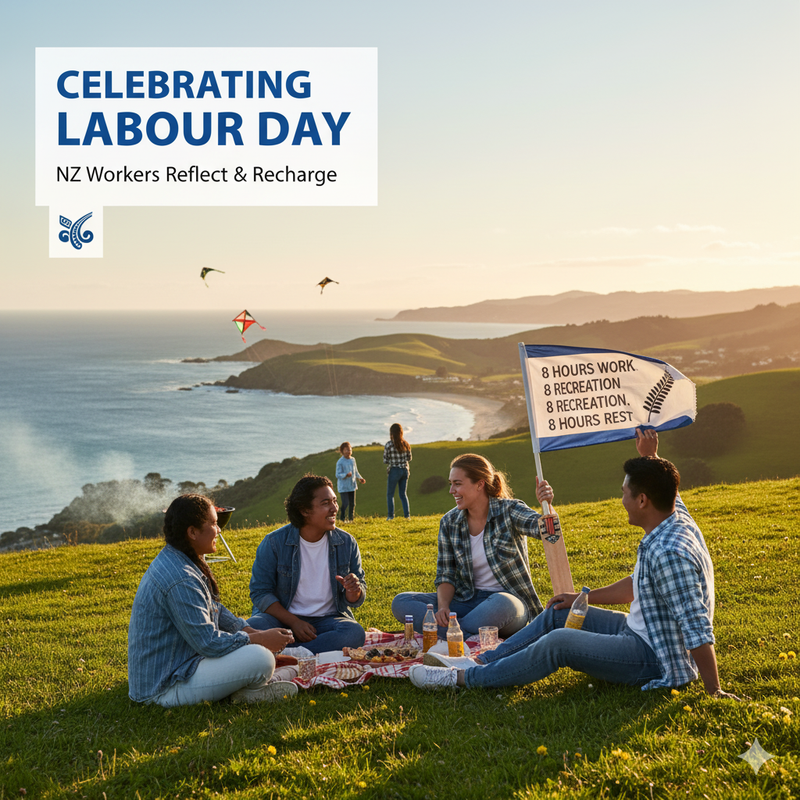
Every fourth Monday in October, New Zealanders enjoy a spring long weekend. Yet Labor Day represents far more than a day of rest. It honors the historic struggle that won the eight-hour working day and established work-life balance as a national value.
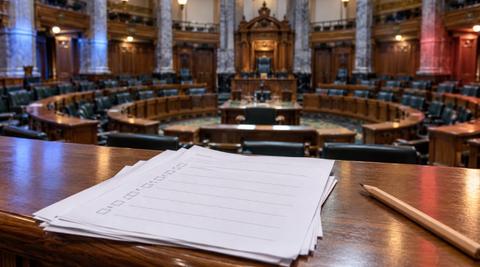
When Parliament passed the Labor Day Act 1of 899, the country created its first public holiday not linked to religion, royalty, or provinces. This law came even before Anzac Day or Waitangi Day. Understanding Labor Day means tracing its roots back to a Wellington beach in 1840.