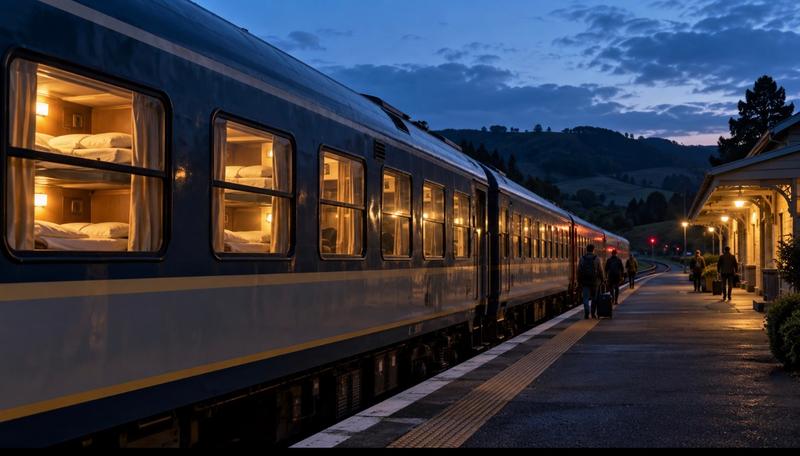
According to 1News, the package is estimated at approximately $4 billion, including $3.5 billion for the Tauranga extension over two stages.
The broadcaster reports that National leader Christopher Luxon questioned the commercial viability of the proposed services and the potential burden on taxpayers.
The Greens say passenger fares would cover most operating costs for the overnight service. They also say economic consultancy Infometrics reviewed their estimates and found them reasonable. Those claims do not establish that the services would operate without public subsidy.
Part of a wider transport programme
The rail announcement sits alongside broader commitments in the Greens’ 2026 transport manifesto.
These include mass rapid transit in Auckland, Wellington and Christchurch, more bus lanes, investment in passenger and freight rail, and affordable interregional rural bus services.
The manifesto also proposes expanding free public transport eligibility to students and apprentices, Community Services Card holders, people under 18 and Total Mobility card holders.
For communities beyond the main centres, the party proposes on-demand transport and services supporting access to rural schools and kōhanga reo.
The Greens frame these measures as ways to reduce dependence on cars, improve access and help households manage transport costs. These are the party’s stated objectives, rather than independently established outcomes.
An election proposal, with delivery still to be settled
The announcement puts intercity passenger rail into the election debate, but it is not confirmation that new trains are ready to run.
For prospective passengers, the practical questions extend beyond the route map: when services would begin, how often they would operate, which towns they would serve and what tickets would cost.
Those details, together with funding decisions and infrastructure delivery, would determine whether the proposal becomes a useful everyday travel option.