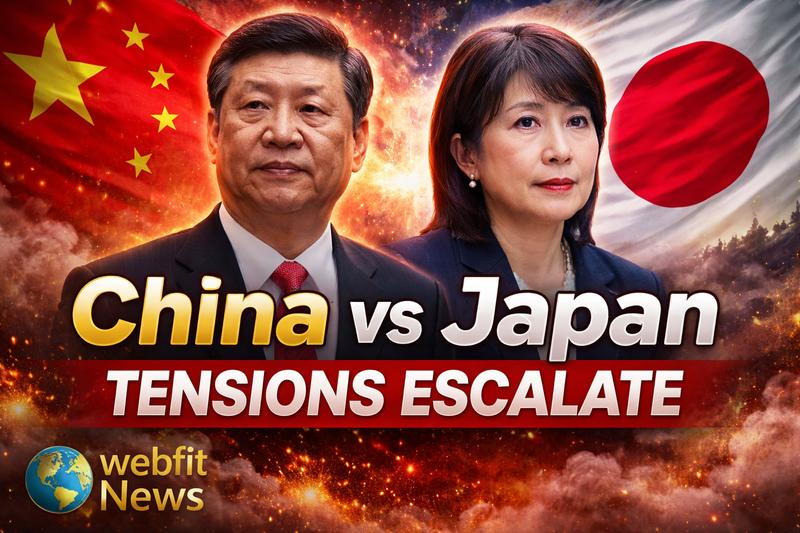
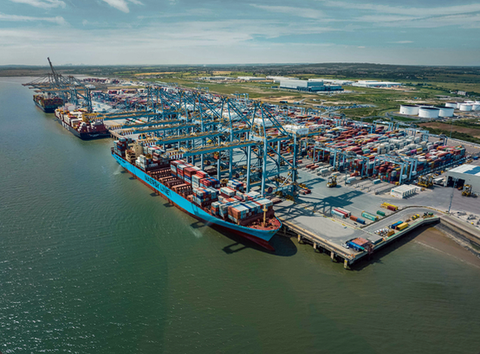
China also launched an investigation into imports of dichlorosilane, a chemical used in chip manufacturing. Officials claimed Japanese suppliers sold the product at prices that harmed Chinese producers.
Nuclear accusations raise the stakes
The dispute escalated further after a China-based arms control group released a report warning about Japan’s military direction.
The report accused Japan’s right-wing political forces of pursuing nuclear capabilities and failing to fully confront wartime history. It argued that expanded military power could threaten regional peace.
Japan rejected the claims. Officials stressed that the country’s constitution restricts its military to defensive roles.
A relationship shaped by history
History continues to shape China-Japan relations.
Japan’s occupation of parts of China in the early 20th century left deep scars. In China, public memory of wartime suffering remains strong and visible in education and media.
Actions by Japanese leaders, such as visits to the Yasukuni Shrine, still provoke anger in Beijing. China views these visits as a refusal to acknowledge past aggression.
Territorial disputes over islands known as Diaoyu in China and Senkaku in Japan also fuel nationalist sentiment on both sides.
China turns toward South Korea
As ties with Tokyo cool, Beijing has strengthened engagement with Seoul.
South Korea’s president recently visited China for several days. Chinese media gave the trip prominent coverage and highlighted new agreements on trade, technology, and environmental cooperation.
Chinese outlets also reported that South Korea became the top destination for outbound Chinese flights over the New Year period. At the same time, Beijing issued warnings that discouraged travel to Japan, citing safety concerns.
Why the dispute matters globally
China and Japan rank among the world’s largest economies. Prolonged tension between them affects trade, supply chains, and regional stability.
Countries such as New Zealand, which rely on calm relations in the Asia-Pacific, watch these developments closely. Escalating rivalry complicates diplomacy and economic planning.
The situation grows more complex as the United States deepens military support for Taiwan, a move that Beijing strongly opposes.
No easy path forward
Neither China nor Japan appears to want open conflict. For now, the dispute remains diplomatic and economic.
However, experts warn that room for compromise is shrinking. Domestic politics, nationalism, and unresolved history make de-escalation difficult.
Without clear communication channels, even small missteps could raise tensions further.
Conclusion
China and Japan’s latest clash reflects a relationship shaped by memory, mistrust, and shifting power in Asia.
As 2026 continues, both nations face a choice. They can keep using pressure and history as political tools, or they can work to prevent rivalry from escalating further.
So far, signs of restraint remain limited.