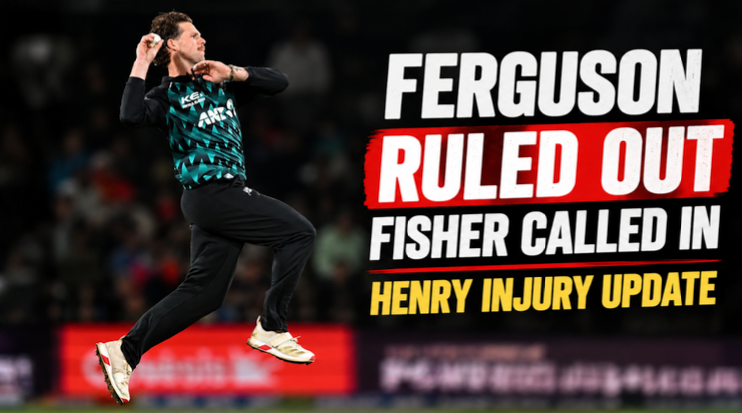
His pace and experience provide New Zealand with an option during the middle and final overs, when batters are looking to accelerate and bowlers have little margin for error.
His absence removes one of the team's established fast-bowling options.
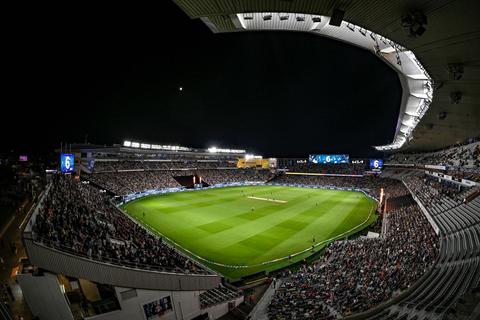
It also comes at a disappointing moment for the Auckland-born bowler, who had been looking forward to playing India in front of a sold-out Eden Park crowd.
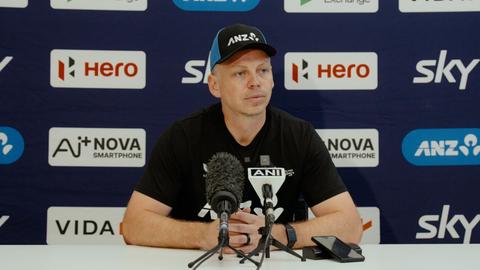
BLACKCAPS head coach Rob Walter acknowledged the disappointment.
"I know Lockie was fizzing to play in front of a sell-out home crowd at Eden Park tomorrow, but he's determined to be back for the ODIs."
The immediate challenge for New Zealand is deciding how to distribute the responsibility for bowling the most demanding overs without Ferguson.
Against a strong batting side, those decisions can influence the outcome of a close match.
Matt Fisher Gets His Opportunity
Fisher, who had already joined the squad in Wellington as bowling cover, now moves into Ferguson's place for the remainder of the T20I series.
The selection gives New Zealand another pace option, although the announcement does not confirm whether Fisher will play at Eden Park.
For Fisher, the call-up presents an opportunity to contribute at international level.
For the coaching staff, it creates a selection decision: whether to bring him straight into the playing eleven or adjust the bowling responsibilities among the available players.
His promotion has also triggered a change elsewhere.
Central Stags fast bowler Brett Randell has been called into the New Zealand A squad for its second match against India A, replacing Fisher.
The movement between squads illustrates how injuries at international level can affect team selections across New Zealand cricket.
Henry's Injury Adds Another Concern
Matt Henry also experienced pain during the second T20I, with scans confirming a low-grade tear in his right quadriceps.
His recovery is expected to take one to two weeks.
However, Henry had already been scheduled to miss the remaining T20Is as part of his workload management programme.
New Zealand Cricket says he remains on track for the upcoming ODI series against India.
That distinction is important.
Henry's injury does not represent an additional unexpected withdrawal from the remaining T20Is, but it does introduce some uncertainty around his recovery ahead of the longer-format matches.
Walter remains hopeful that both injured bowlers will be available for the ODIs.
"We're gutted for Lockie and Matt," he said.
"Injuries are part and parcel of international cricket but it doesn't make it any easier when you have to miss games."
Why Eden Park Could Be a Difficult Test
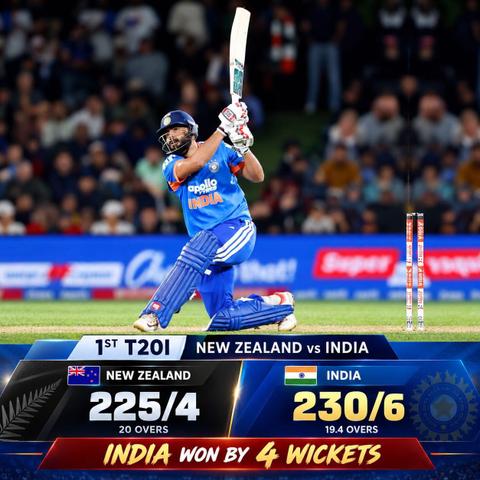
New Zealand's first two T20Is against India were decided in the final overs.
Those narrow finishes underline how important bowling execution can become when matches remain competitive deep into an innings.
At Eden Park, the BLACKCAPS will need to manage their available pace resources carefully.
The challenge is not necessarily to find a direct replacement for Ferguson's speed.
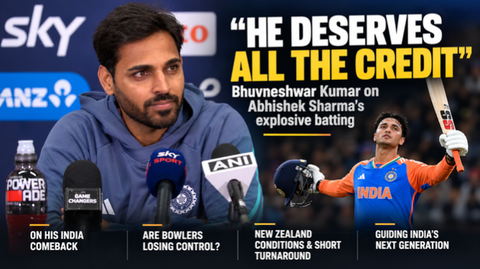
It is to maintain control across the innings, particularly when India looks to accelerate.
That may require greater responsibility from other bowlers and more flexibility in how the attack is used.
The injuries also place additional importance on fielding, catching opportunities and restricting unnecessary runs.
In close T20 matches, those details can become decisive.
Jamieson Managed With the ODI Series in Mind
Kyle Jamieson will remain in Wellington as part of his planned workload management.
He is available for Canterbury's second Ford Trophy match on Saturday before rejoining the BLACKCAPS on Monday for the ODI series.
The arrangement shows that New Zealand is continuing to manage its fast bowlers with the wider summer schedule in mind.
Rather than making every player available for every match, the coaching staff is balancing immediate selection requirements against preparation for upcoming fixtures.
That approach may become increasingly important as the international calendar continues.
The Bigger Picture: Managing a Fast-Bowling Group Under Pressure
The injuries to Ferguson and Henry highlight a challenge that extends beyond this series.
Fast bowlers are regularly required to move between formats, with different demands on their workloads and recovery.
New Zealand needs experienced players available for major international matches, but it also needs developing bowlers capable of stepping in when injuries occur.
Fisher's inclusion is an example of that depth being tested.
The upcoming ODI series will bring another set of selection and workload decisions.
For now, the BLACKCAPS have an immediate task at Eden Park.
They must respond to India's batting challenge without Ferguson, while allowing Henry the recovery time he needs.
The result will depend on more than raw pace. New Zealand's ability to adapt its bowling plans, execute under pressure and make the most of its available players will be under scrutiny.
Friday's match offers the next opportunity to see how the team responds.
Source: New Zealand Cricket (NZC), 29 October 2026.