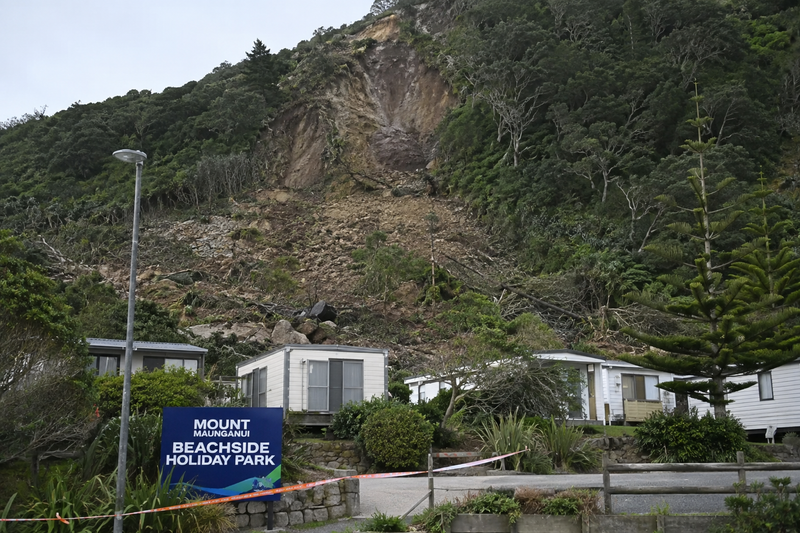
He said consultants had identified the landslide hazard to the campground over a period of more than two decades, including the risk associated with the same slope that ultimately failed.
The review found that opportunities were missed over many years to respond more effectively to those warnings.
Council accepts findings in full
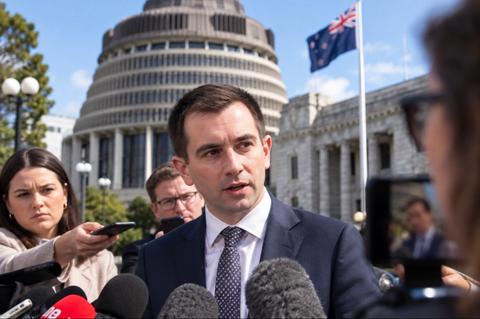
Tauranga Mayor Mahé Drysdale said the findings were "clear and deeply confronting".
He said the report did not attribute blame to any one individual, but identified weaknesses in the council's systems, processes and approach to risk management.
"While this report does not attribute blame to any individual person, it concludes that over many years, Tauranga City Council missed opportunities that may have helped prevent this tragedy," Drysdale said.
He said the council accepted Davison's findings and recommendations.
That acceptance is significant because the report goes beyond identifying isolated mistakes.
Its central finding is that the problems were organisational and developed over time.
Mayor apologises to families
Before the report was made public, Drysdale and Davison met with the families of those who died to share the findings.
Drysdale said he had apologised to each family on behalf of Tauranga City Council.
"I have offered each family a sincere apology, on behalf of Tauranga City Council, for the failings Mr Davison has identified in his report," he said.
At the public announcement, the mayor said the victims and their families remained at the centre of the council's thoughts.
"While this tragedy has had a profound and lasting impact on our community, it is those who lost their lives, and the family and friends who continue to live with that loss every day, who remain at the centre of our thoughts."
What the council has been ordered to do next
The council says the review will now trigger substantial changes to the way it manages organisational risk.
Drysdale said councillors had instructed Chief Executive Marty Grenfell to provide a detailed plan setting out how the council would strengthen its risk management processes, systems and organisational practices.
"We have demanded change from the organisation with a clear expectation that the recommendations made by Mr Davison will be implemented," he said.
A formal report will be presented at a council meeting on 1 September.
That report is expected to outline:
actions already underway
measurable indicators of improvement
changes to risk management systems
changes to organisational practices
steps intended to improve council culture and accountability
The council says it expects the work to be carried out with urgency.
Chief executive says recommendations will be implemented in full
Chief Executive Marty Grenfell also accepted the findings on behalf of the organisation.
He apologised for the loss experienced by the families and acknowledged the impact the tragedy had on the wider Tauranga community.
"We fully accept and will be implementing the recommendations in full," Grenfell said.
He described the findings as deeply confronting and said the organisation needed to ensure the lessons resulted in meaningful and lasting change.
That commitment will now be tested by the detail and pace of the council's response.
The 1 September meeting will be the first major opportunity for councillors and the public to assess exactly what changes are being made.
A hazard identified over decades
One of the most important aspects of the review is its finding that the landslide risk had been repeatedly identified.
According to Davison, consultants had warned about the hazard for more than 20 years.
That shifts the focus away from whether the danger could have been predicted and towards a different question: what was done with the information already available?
The report's conclusion that the tragedy was preventable will likely intensify scrutiny of how the council handled historical advice, risk assessments and monitoring.
It also raises broader questions for local authorities about how long-term natural hazard risks are tracked and escalated when public facilities operate in potentially dangerous locations.
Further investigations are still underway
The external review is not the final process examining the tragedy.
Drysdale noted that separate investigations are being conducted by the Coroner, Police and WorkSafe, while a Government inquiry is also underway.
Those processes may examine different legal, regulatory and operational questions.
The council's external review therefore represents one part of a wider examination of what happened and whether further responsibility or accountability should follow.
Why the findings matter
The Mount Maunganui landslide was not only a natural disaster.
According to the independent review, it was a known hazard that had been identified repeatedly and was not managed adequately.
That distinction is central to understanding the significance of the report.
When risks are known, recorded and repeatedly raised by experts, organisations responsible for public facilities are expected to have systems capable of recognising, escalating and responding to them.
The review's conclusion that systemic failure occurred suggests the problem was not simply one missed decision.
It points instead to weaknesses across the organisation's approach to risk.
For Tauranga City Council, accepting the findings is only the first step.
The more difficult task will be demonstrating that its systems have genuinely changed and that similar warnings in future cannot fall between departments, processes or levels of responsibility.
For the families of the six people who died, no organisational reform can undo what happened.
But the council now faces a clear obligation to ensure the lessons identified in this review are acted on, transparently and permanently.
Source
This article is based on a 19 August 2026 media release from Tauranga City Council announcing its acceptance of the findings and recommendations from the independent external review into the Mount Maunganui Beachside Holiday Park landslide.
The external review was conducted by former High Court Judge Hon Paul Davison KSO KC.
The council says the full review and a recording of the public announcement are available through its external review page.