An Auckland community leader says he was assaulted, his phone destroyed and his face bruised during a roadside confrontation. His decision not to retaliate raises an uncomfortable question: when confronted with violence, how should someone respond?
By Webfit News | 23 October 2026
At around 5 pm on Thursday, as Aucklanders were making their way through the evening traffic, a confrontation near Lambie Drive, Druces Road and Kerrs Avenue reportedly turned violent.
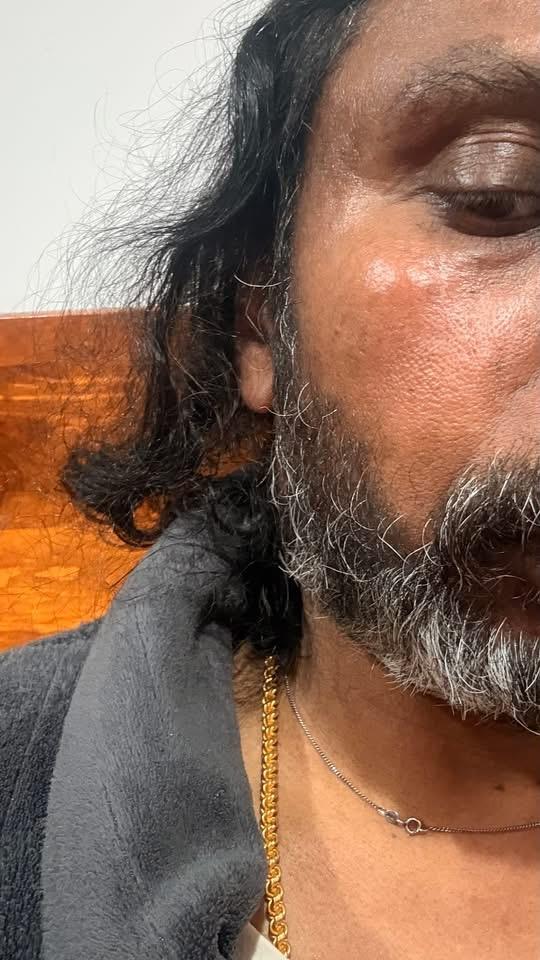
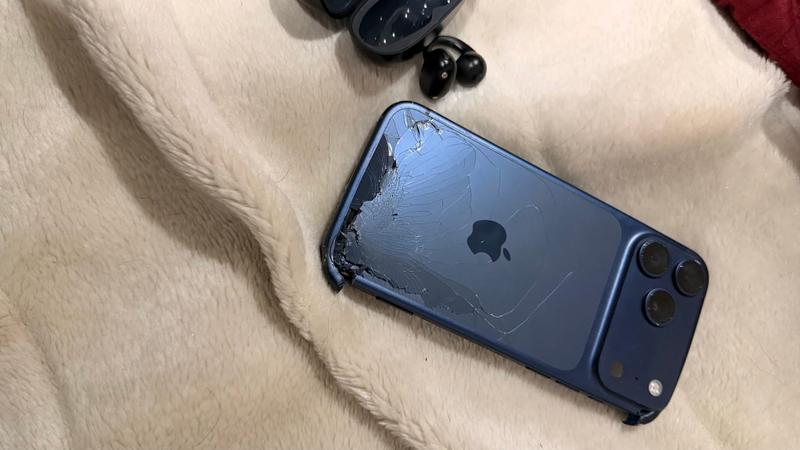
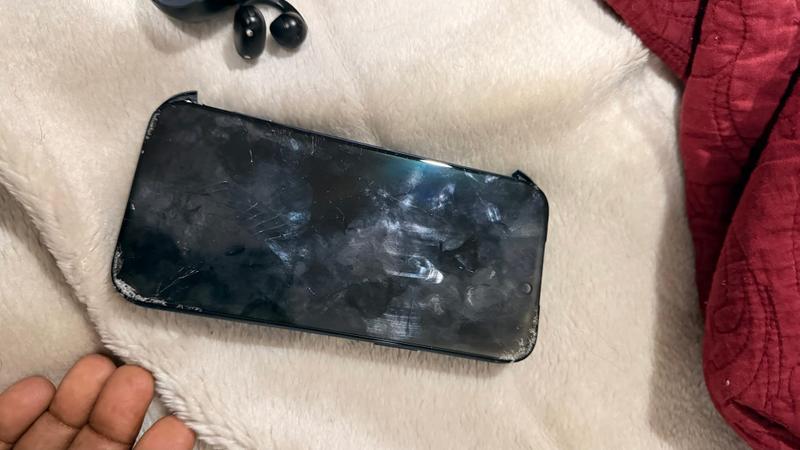
For community leader Ilango Krishnamoorthy, what should have been an ordinary journey in his company van ended with a visit to the doctor, a smashed phone and bruising to his right cheekbone.
But the most revealing part of his account is not the damage visible in the photographs he shared.
It is the decision he says he made while the confrontation was unfolding.
He knew how to fight. He chose not to.
And that decision opens a conversation extending well beyond one South Auckland roadside incident.
When Self-Defence Becomes a Difficult Decision
In a Facebook statement published on 22 October, Krishnamoorthy described himself as the victim of a road-rage assault.
He said he had previous martial-arts experience, although he no longer practises, and believed he could face serious consequences if he responded physically.
His concern was that defending himself might be interpreted as using excessive force.
So, according to his account, he decided not to strike back.
It is a striking decision, but it also raises an important legal distinction.
New Zealand law recognises the right to use reasonable force in self-defence. Section 48 of the Crimes Act 1961 provides that a person is justified in using force in defence of themselves or another person when the force is reasonable in the circumstances as they believe them to be.
That does not mean every physical response is legally justified. Nor does it mean someone who has martial-arts training automatically loses the right to defend themselves.
The circumstances, the perceived threat and the force used all matter.
Krishnamoorthy’s decision was his own assessment in a frightening situation. Whether he could legally have used force cannot be determined from his Facebook account alone.
But his experience illustrates something worth discussing: the choice between defending yourself, avoiding escalation and protecting yourself from further harm is not always straightforward.
A Broken Phone, a Bruised Face and an Unexpected Witness
Photographs shared alongside Krishnamoorthy’s statement show redness around his cheekbone and significant damage to a mobile phone.
He said the phone was destroyed during the confrontation and that he later sought medical attention.
His account also describes an important intervention by a stranger.
A Punjabi man who witnessed the incident reportedly stopped and provided his contact number.
In an incident where competing accounts may emerge, independent witnesses can be particularly important in helping investigators establish what happened.
Krishnamoorthy said Police arrived within five minutes, secured the situation, reviewed available traffic-camera evidence and took his statement.
He thanked the attending officers for their response.
Webfit News has not independently confirmed those details with Police or established whether any charges have been laid.
Two Young Women, and a Side of the Story Still Missing
There is another important detail in Krishnamoorthy’s statement.
He refers to two young women involved in the incident.
He does not publicly explain the full circumstances of their involvement, what led to the confrontation or what account they may have given Police.
That matters.
While his photographs and statement document his reported experience, they do not establish every aspect of what happened.
The accounts of other people involved, witness evidence and any available camera footage could provide additional context.
Krishnamoorthy himself acknowledged the danger of drawing conclusions from a single social-media post.
It is a caution worth applying to this incident as well.
Why His Response Deserves Attention
After describing an assault, damaged property and an unsettling experience, Krishnamoorthy could have used his public statement to demand punishment or express anger.
Instead, he asked people to pray for him and for the two young women involved.
He expressed hope that they would receive help and healing.
That response does not resolve the unanswered questions about the confrontation. Nor does it diminish the seriousness of the assault he alleges.
But it offers a different perspective on how someone might respond after experiencing violence.
There is a difference between being unable to fight back and deliberately choosing not to escalate a confrontation.
Krishnamoorthy says his decision was deliberate.
Whether others would have made the same choice is another question entirely.
The Bigger Issue Is What Happens on Our Roads
Road rage is often discussed as a traffic problem, involving aggressive driving, impatience or disputes between motorists.
But when a disagreement moves beyond the vehicles and becomes physical, the consequences can extend well beyond a damaged car or an argument.
There can be injuries, criminal investigations, financial losses and lasting emotional effects.
Krishnamoorthy’s account also illustrates why the actions of witnesses, the availability of camera evidence and a timely Police response can matter.
For motorists who find themselves in threatening situations, avoiding a physical confrontation where safely possible, remaining in a secure location and contacting Police can reduce the risk of further harm.
None of that removes a person’s legal right to reasonable self-defence when necessary.
One Incident, Several Unanswered Questions
The full circumstances of Thursday’s confrontation have yet to be independently established.
What triggered the dispute? What do witnesses and any available camera footage show? Have Police identified any offences or taken further action?
Those questions deserve answers before anyone involved is judged publicly.
For now, Krishnamoorthy’s account leaves readers with something more substantial than another disturbing road-rage headline.
When someone threatens you, is walking away a sign of weakness, or can choosing not to fight be its own form of strength?
His experience does not provide a universal answer. But it gives Aucklanders a reason to consider the question.
Source: Public Facebook statement by Ilango Krishnamoorthy, 22 October 2026.
Photographs: Ilango Krishnamoorthy / Facebook.
Verification note: The incident, Police response and accounts of other people involved have not been independently confirmed by Webfit News. This article distinguishes Krishnamoorthy’s allegations from established legal principles and does not presume anyone’s criminal responsibility.