One of RealNZ’s recent conservation initiatives has been its support for the return of kiwi pukupuku, or little spotted kiwi, from Kāpiti Island to Ao-Ata-Te-Pō / Cooper Island in Fiordland.
The company raised more than $300,000 for the project through its annual Night for Nature fundraising event and its 1% for Conservation initiative, which directs support from online bookings towards conservation work.
The project builds on a decade of predator control undertaken by RealNZ on Cooper Island under a community agreement with DOC.
Predator management is an important part of efforts to protect vulnerable native species, particularly in areas where introduced predators threaten birds and other wildlife.
The kiwi project provides a practical example of how tourism-generated funding can contribute to conservation beyond visitor experiences.
Under the new partnership, RealNZ, DOC, iwi and other stakeholders will work together to identify future conservation priorities.
DOC: Conservation Cannot Be Achieved Alone
DOC Director-General Peter Chrisp says partnerships with businesses and communities are important to achieving lasting conservation outcomes.
“DOC cannot do the job of conservation on its own. Partnerships play a critical role in helping us achieve lasting outcomes for nature,” Chrisp said.
He acknowledged RealNZ’s long-standing environmental work and said the agreement would strengthen their ability to protect native species and important natural places.
“RealNZ has demonstrated a genuine, long-term commitment to conservation. This agreement strengthens our ability to work together to protect the species and places New Zealanders care about. RealNZ and DOC share the same cause.”
The comments reflect the scale of the conservation challenge facing New Zealand, where protecting native biodiversity requires sustained effort across public agencies, communities, landowners and businesses.
Tourism and Conservation Working Together
RealNZ operates several well-known visitor experiences across the South Island, including Milford Sound and Doubtful Sound cruises, the TSS Earnslaw, Te Anau Glowworm Caves and activities in Queenstown, Fiordland and Rakiura / Stewart Island.
The New Zealand-owned company traces its origins back more than 70 years.
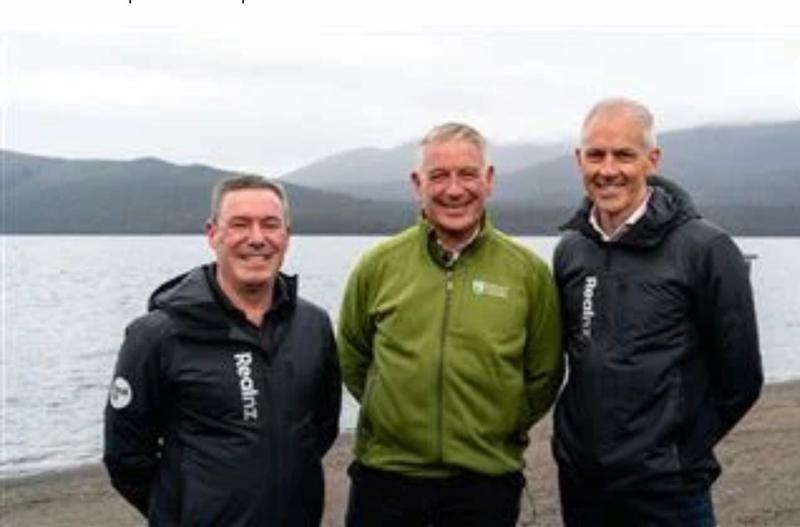
RealNZ Chief Executive Dave Beeche says environmental protection is closely connected to the company’s identity and purpose.
“We believe people protect what they value, which is why our purpose is to help the world fall in love with conservation,” Beeche said.
“It’s been in our core DNA since our founding more than 70 years ago and carries through to the work we do today to support conservation work of national importance.”
Beeche said the company was proud to work alongside DOC, iwi and communities to protect New Zealand’s natural environments.
The partnership reflects an important relationship within the tourism sector: natural landscapes attract visitors, while their long-term protection requires ongoing investment and management.
For businesses operating in conservation areas, the health of the environment is directly connected to the experiences they offer.
A Decade of Predator Control in Fiordland
RealNZ’s involvement in conservation is not beginning with this agreement.
The company has already undertaken approximately a decade of predator control on Ao-Ata-Te-Pō / Cooper Island.
That work has formed part of its wider conservation activities in the southern South Island.
DOC Regional Director Southern South Island Aaron Fleming says RealNZ has developed a strong record through sustained investment and practical involvement.
“RealNZ backs its commitment with action,” Fleming said.
“From long-term predator control programmes to species recovery projects, the team has made a significant contribution to conservation outcomes across the southern South Island.”
Fleming also acknowledged the company’s willingness to take a hands-on approach rather than limiting its involvement to financial contributions.
The combination of fundraising, predator control and species recovery work illustrates the different ways businesses can support conservation programmes.
What Will the Three-Year Agreement Deliver?
The announcement establishes a framework for continued collaboration rather than setting out a complete list of projects for the next three years.
According to DOC, the partnership will focus on identifying and supporting priority conservation initiatives.
Future projects will be selected through cooperation between DOC, RealNZ, iwi and other stakeholders.
The existing approach of supporting a priority conservation project through annual fundraising is expected to continue.
However, the announcement does not specify a total funding commitment for the three-year partnership or identify every project that will receive support.
Those details will be important in assessing the partnership’s longer-term contribution.
For now, the little spotted kiwi project and Cooper Island predator control work provide examples of the conservation activity on which the agreement builds.
DOC Says Regulatory Decisions Will Remain Independent
The agreement also includes an important distinction between conservation partnerships and DOC’s statutory responsibilities.
DOC says the National Programme Partnership is separate from its regulatory and decision-making functions.
That means the partnership does not influence decisions concerning concessions, approvals or other authorisations involving public conservation land.
This distinction is particularly relevant because RealNZ operates tourism experiences in and around some of New Zealand’s most significant natural areas.
The company may collaborate with DOC on conservation initiatives, but the agreement does not provide preferential treatment in regulatory processes.
Maintaining that separation is important for public confidence in how conservation land is managed.
Why the Partnership Matters
New Zealand’s natural environment is central to both its biodiversity and its international tourism appeal.
Native species such as kiwi require ongoing protection, while conservation programmes often depend on long-term funding, monitoring and practical fieldwork.
The partnership between DOC and RealNZ demonstrates one approach to meeting those challenges.
It combines the expertise and statutory responsibilities of a public conservation agency with the resources, fundraising capacity and local involvement of a private tourism operator.
The return of little spotted kiwi to Cooper Island is a tangible example of the type of work that can benefit from such cooperation.
The longer-term measure of success will be whether the new agreement produces sustained improvements for native species and habitats.
Conservation Beyond the Visitor Experience
For many visitors, New Zealand’s landscapes are experienced through cruises, walking tracks, mountain activities and wildlife encounters.
But protecting those environments involves work that is often less visible: controlling predators, restoring habitats, supporting species recovery and maintaining conservation programmes over many years.
The DOC–RealNZ partnership brings those activities into closer focus.
With the agreement extending over three years, attention will now turn to which conservation priorities are selected and what outcomes can be achieved.
The significance of the partnership will ultimately be measured not by the agreement itself, but by the wildlife and natural places it helps protect.
Source: Department of Conservation (DOC) and RealNZ partnership announcement.
Organisations: Department of Conservation / Te Papa Atawhai and RealNZ.
Reporting: Webfit News.