Such decisions can be crucial when an on-field umpire's ruling is challenged through the DRS.
For example, when a batter is given out caught behind, or a fielding team believes a batter has edged the ball, the third umpire may examine audio evidence alongside video replays to assess whether contact occurred.
Sonic is designed to assist with this process by providing audio-based evidence for the review.
Importantly, Sonic does not replace the umpire. It provides additional information to support the third umpire's decision.
The distinction matters because even sophisticated technology operates within cricket's established rules and decision-making procedures.
Why This Approval Is Significant for New Zealand
Virtual Eye is already an established name in international cricket technology.
The New Zealand company has held ICC accreditation for ball-tracking technology since 2008.
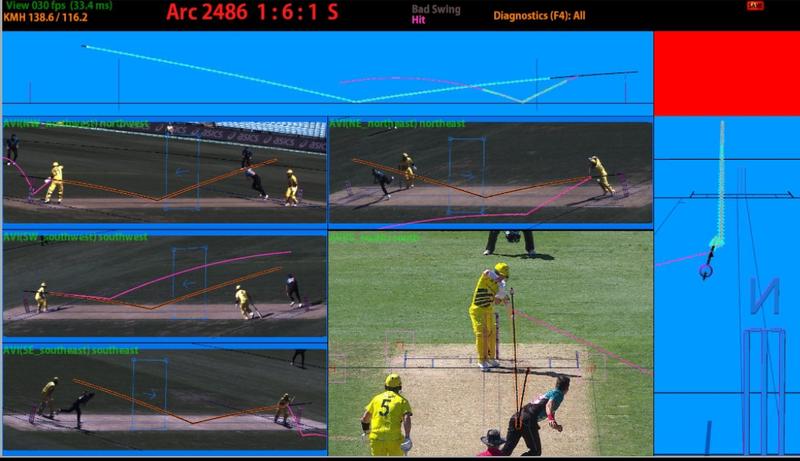
Ball tracking is used in DRS to help assess the projected path of a delivery, particularly in leg-before-wicket (LBW) reviews.
With Sonic now approved for the India series, Virtual Eye will be able to supply the complete DRS technology package for the tour, combining its existing ball-tracking capability with audio-based edge detection.
That is an important milestone for the company.
Rather than providing only one part of the review process, Virtual Eye can now support both the ball-tracking and edge-detection components of DRS for this series.
It also demonstrates how New Zealand's technology sector is contributing to international sport beyond the playing field.
Extensive Testing Before Approval
The approval did not come automatically.
According to New Zealand Cricket, Sonic underwent a comprehensive programme of testing, technical validation and independent assessment.
The process involved consultation with the ICC and support from the BCCI, reflecting the importance of confidence in technology used to assist match officials.
Glenn Critchley, NZC's Chief Marketing and Commercial Officer, said maintaining the integrity of cricket's decision-making process was fundamental.
He emphasised that the technology had undergone extensive scrutiny before receiving approval.
Critchley also acknowledged the collaboration between the ICC, BCCI, Sky and Virtual Eye, describing the outcome as a positive example of New Zealand innovation contributing to international cricket.
For players and supporters, the expectation is that the system will provide another source of evidence during difficult reviews.
However, the approval itself should not be interpreted as proof that every disputed decision will become error-free. The technology's performance in live international matches will be an important practical test.
Years of Development Behind the Technology
For Virtual Eye, Sonic's approval represents the result of sustained research and development.
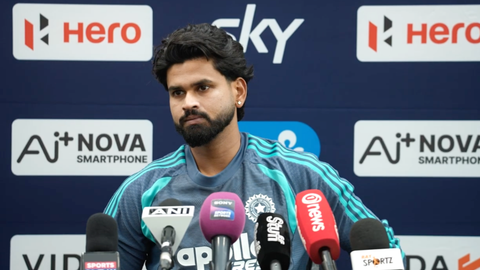
Ben Taylor, Chief Executive Officer of Virtual Eye, said the company's team had spent years refining the system, with particular attention to accuracy, consistency and the technical standards required in international sport.
The company regards the approval as a significant achievement for its engineering and development teams.
The milestone also places attention on New Zealand's wider capability in specialist sports technology.
Although the country is internationally recognised for its sporting achievements, companies such as Virtual Eye illustrate another side of that reputation: the development of technology used to support officiating and broadcasting.
Sky Welcomes the Development
Sky, which is working alongside NZC and Virtual Eye, has welcomed Sonic's approval ahead of the international summer.
Gary Burchett, Sky's Head of Sport Content, said the broadcaster was committed to supporting innovations that improve cricket coverage and the viewing experience.
He said the approval reflected the substantial work involved in testing and assessing the system.
The introduction of Sonic could also give television audiences additional insight into decisions being reviewed during matches.
For viewers, DRS has become a familiar part of modern cricket, with ball-tracking graphics, replays and audio evidence often central to understanding close decisions.
A locally developed system contributing to that process adds another dimension to New Zealand's international cricket coverage.
A Major India Tour Provides the First Test
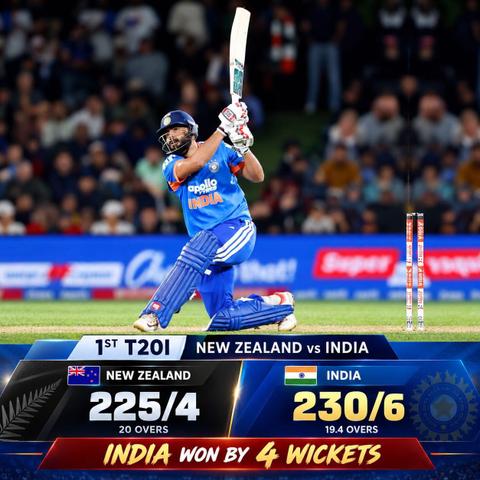
Sonic's introduction coincides with a landmark tour by India, beginning on 22 October 2026.
The BLACKCAPS and India are scheduled to contest 12 international matches across three formats, making it the largest bilateral inbound tour in NZC history by number of matches.
The programme includes:
| Format |
Matches |
Dates |
| T20 Internationals |
5 |
22 October – 1 November |
| One Day Internationals |
5 |
4 – 15 November |
| Test matches |
2 |
19 November – 1 December |
| Total |
12 |
22 October – 1 December 2026 |
Matches will be staged across Christchurch, Wellington, Auckland, Hamilton and Tauranga.
Interest in the tour has already been substantial.
NZC reported on 19 October that more than 110,000 tickets had been sold across the tour, including approximately 63,000 for the T20 series.
Both Christchurch T20 matches and the Hamilton T20 fixture had sold out ahead of the opening match.
The scale of the tour means Sonic will be introduced during a high-profile international sporting event, with considerable attention from players, officials and audiences in both countries.
Does This Mean Sonic Is Approved for All International Cricket?
No. The current approval is specific to the BLACKCAPS vs India tour in New Zealand.
NZC has made clear that any future use of Sonic will remain subject to the ICC's ongoing accreditation and approval processes.
This is an important distinction.
While the technology has completed the assessment required for the upcoming series, it has not been announced as a universal replacement for other edge-detection systems across international cricket.
Its deployment in future competitions will depend on the relevant approvals.
What This Means for Cricket's Future
Technology has increasingly become part of how international cricket is officiated and presented to audiences.
Ball tracking, video replays and audio-based edge detection have helped make review decisions more transparent, while also introducing greater scrutiny of the evidence used by officials.
Sonic's introduction is another development in that process.
Three questions will be particularly important as the technology enters live international use:
- Accuracy: How consistently does Sonic identify relevant audio evidence during difficult reviews?
- Reliability: How effectively does the system perform under different match and stadium conditions?
- Transparency: How clearly can officials and viewers understand the evidence presented during a review?
These are practical considerations rather than established shortcomings of the new system.
The India series provides an opportunity to observe how the technology performs in the environment for which it was developed.
A Significant Moment for Kiwi Sports Technology
The BLACKCAPS vs India series is already attracting attention because of its scale, ticket demand and international significance.
The introduction of Sonic adds a distinctly New Zealand technological achievement to the occasion.
For Virtual Eye, it is the culmination of years of development.
For NZC and Sky, it is an opportunity to introduce another tool to support officiating and enhance coverage.
And for cricket fans, it means that the next time a close catch or disputed edge goes upstairs for review, a New Zealand-developed system could be helping the third umpire reach a decision.
The technology may operate behind the scenes, but its contribution could become visible at some of the most decisive moments of the series.
Sources and Acknowledgements
Primary source: New Zealand Cricket (NZC), Virtual Eye's 'Sonic' Technology Approved for India Tour, 21 October 2026.
Additional information: New Zealand Cricket's official 2026–27 international schedule and India tour announcements.
Statements attributed to: Glenn Critchley (NZC), Ben Taylor (Virtual Eye) and Gary Burchett (Sky).
Source credit: New Zealand Cricket (NZC).