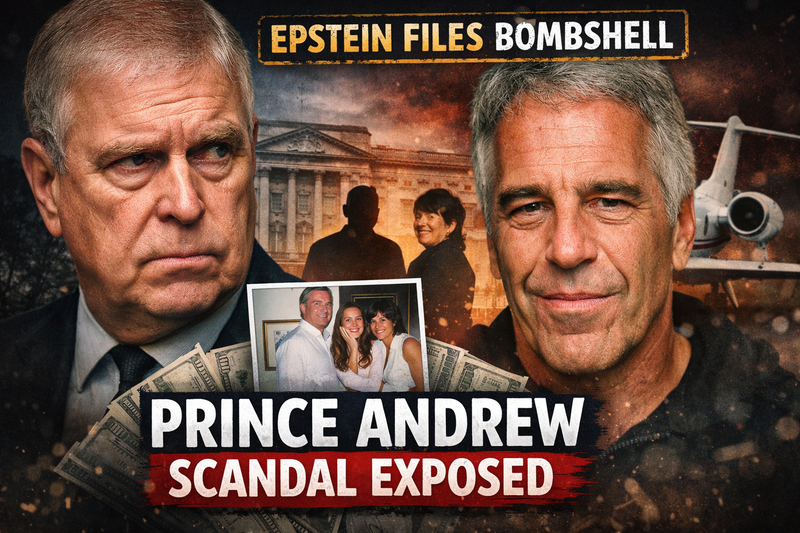
Among the most widely circulated images is a photograph showing Prince Andrew inside the royal estate at Sandringham, reclining across the laps of several women, with Ghislaine Maxwell visible in the background. Other images show Maxwell in close proximity to senior political locations in Britain, reinforcing how embedded Epstein’s circle once was within elite society.
The release also includes previously unseen emails that suggest a warm and ongoing correspondence between Andrew and Maxwell well into the early 2000s.
The Prince Andrew Connection Explained
Prince Andrew’s association with Epstein has been scrutinised for years. The Duke of York has acknowledged knowing Epstein but has repeatedly denied any involvement in criminal activity.
In 2019, Andrew stepped back from royal duties after a disastrous television interview failed to reassure the public. In 2022, he reached a financial settlement with Virginia Giuffre, who alleged Epstein trafficked her to have sex with the prince when she was underage. Andrew admitted no wrongdoing as part of that settlement.
Since then, he has been stripped of his military titles and royal patronages and no longer represents the Crown in any official capacity.
The newly released documents do not introduce new criminal charges. What they do provide is greater context about the depth and duration of Andrew’s association with Epstein and Maxwell, long after Epstein’s first conviction.
Other Powerful Names in the Frame
Prince Andrew is not the only prominent figure mentioned or depicted in the files.
The documents and images reference or show associations involving:
- Bill Clinton, whose past connections to Epstein were previously documented
- Business leaders and international financiers
- Academics and political donors
- Social figures who moved easily between Washington, London, and private Caribbean estates
Former U.S. president Donald Trump is also referenced in broader Epstein records. Trump has stated he severed ties with Epstein years before his arrest. Some images linked to Epstein’s social circle briefly appeared online during the release before being removed and re-redacted, adding to confusion and suspicion around what the public is allowed to see.
It is important to note that appearance in Epstein’s records does not equate to criminal wrongdoing. However, the scale of elite proximity remains troubling.
Why This Story Keeps Returning
This is not just about salacious photographs or scandal fatigue.
The Epstein files sit at the intersection of three issues that resonate strongly in New Zealand and beyond:
- Power and privilege
- The treatment and credibility of abuse survivors
- Transparency in institutions that expect public trust
Each document release chips away at the idea that wealth and status can permanently shield individuals from scrutiny. For many readers, the enduring anger is not only about what Epstein did, but about who continued to associate with him and why.
Palace Silence and Public Skepticism
Buckingham Palace has declined to comment on the latest disclosures, repeating earlier statements that Prince Andrew is a private citizen.
In Britain, public opinion remains unforgiving. Polling consistently shows little appetite for Andrew’s rehabilitation. The monarchy, already navigating modernisation under King Charles, appears keen to keep the Duke of York firmly out of view.
From a New Zealand perspective, this silence is telling. Our political culture places high value on accountability, resignation, and public explanation. The royal family’s reluctance to address these revelations head-on continues to jar with modern expectations.
What Legal Experts Are Saying
Legal analysts stress that the new material does not change Prince Andrew’s legal position. He faces no criminal charges, and UK police have not reopened investigations.
Reputationally, however, the damage is ongoing.
Experts note that U.S. authorities previously sought to interview Andrew as part of Epstein-related inquiries. Those efforts stalled, largely due to jurisdictional limits. The renewed document release may revive political pressure, even if legal consequences remain unlikely.
Why It Matters in Aotearoa New Zealand
For Kiwi readers, this is not royal gossip from afar.
It is a case study in how systems respond when allegations reach the highest levels of society. It raises questions about who gets believed, who gets protected, and how long justice can be delayed before it effectively disappears.
The Epstein files are a reminder that silence, social deference, and institutional caution can enable harm just as effectively as active wrongdoing.
A Reckoning Still Unfinished
The Epstein story has no clean ending.
The man at its centre is dead. Many questions will never be tested in court. Survivors continue to live with the consequences, while those once close to Epstein navigate reputational fallout rather than prison sentences.
What the latest files do is sharpen the historical record. They make it harder to look away, harder to deny proximity, and harder to pretend ignorance.
For Prince Andrew and others drawn into Epstein’s orbit, the passage of time has not brought closure. Instead, each release reinforces an uncomfortable truth: power may delay accountability, but it does not always erase it.