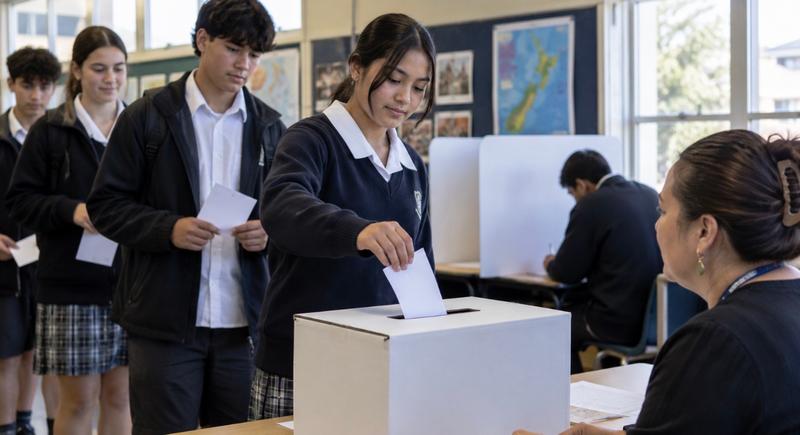
"Kids Voting is a great way for students to experience democracy first-hand and understand how voting works at the same time as the real general election," Le Quesne said.
With registrations closing soon, he was direct about the urgency for schools still weighing whether to take part.
"With hundreds of schools already set to get involved, we want to make sure schools that are still considering taking part don't miss their opportunity."
Not Just for Schools
Beyond the classroom programme itself, the Electoral Commission is also encouraging parents, whānau, teachers and youth organisations to have direct conversations with young people about voting, helping ensure they understand the process and feel prepared to participate when the time comes.
What This Means for Older Teens Specifically
While Kids Voting itself is open to students of any age as an educational exercise, there's an important distinction worth understanding for older teenagers approaching real voting eligibility.
Young people aged 18 or older can enrol and vote in the actual General Election. Notably, 17-year-olds can also complete an enrolment form now, and will be automatically enrolled the moment they turn 18, removing one potential barrier to first-time voting.
How to Get Involved
For individuals wanting to check or update their own enrolment details, options include:
- Online at vote.nz
- By calling 0800 36 76 56 to request an enrolment form
For schools and kura still considering taking part in Kids Voting, registration is available online through the Elections NZ website, with the window closing at 5pm on Friday 25 September.
Why This Programme Matters
For a country where voter turnout, particularly among younger age groups, has been a persistent topic of discussion, programmes like Kids Voting offer a practical way to build familiarity with the democratic process well before students are old enough to cast a real vote. With more than 114,000 students already set to take part this year, the initiative gives a substantial slice of New Zealand's next generation of voters a genuine, hands-on introduction to how their country's elections actually work.
This article is based on a media release issued by the Electoral Commission (Te Kaitiaki Take Kōwhiri).