Ramayana: Rise of a Legend Review | A Spectacular Celebration of Indian Storytelling, Emotion and Cinematic Ambition
From the serenity of Lord Rama to the formidable presence of Ravana, breathtaking visual effects and a deeply emotional story, Ramayana: Rise of a Legend brings one of India's most...
Ramayana: Rise of a Legend Review | A Grand Cinematic Celebration of Indian Storytelling, Emotion and Cultural Heritage
From Lord Rama's quiet strength to Ravana's commanding presence, spectacular visual effects and a story that has inspired generations, Ramayana: Rise of a Legend brings one of India's most treasured epics to the big screen. Webfit News examines the performances, music, storytelling and cultural significance of this ambitious production, with a special focus on audiences in Auckland and across New Zealand.
Webfit News Rating: ★★★★☆ | 4/5
By Webfit News Entertainment Desk
AUCKLAND, NEW ZEALAND | 6 November 2026
Some stories belong to a particular time. Others become part of who we are.
For generations of Indian families, the Ramayana has been much more than a tale of kings, kingdoms and battles. It has been a story told by grandparents, revisited during festivals, discussed around family tables and passed from parents to children.
Its characters are familiar even to people who have never read the complete epic. Lord Rama represents duty, compassion and righteousness. Sita embodies dignity, courage and devotion. Ravana remains one of mythology's most fascinating figures, a powerful ruler whose extraordinary abilities are overshadowed by pride and the consequences of his decisions.
Bringing these characters to the cinema is an enormous responsibility.
Ramayana: Rise of a Legend approaches that challenge with considerable ambition, combining contemporary filmmaking technology, large-scale visual storytelling and the emotional foundations of a story that has endured for centuries.
For audiences in Auckland and across New Zealand, the film also offers something particularly meaningful: an opportunity for families, including younger generations growing up far from India, to reconnect with a familiar cultural story through a modern cinematic experience.
And for those encountering the Ramayana for the first time, it opens the door to one of the world's great storytelling traditions.
The Story: Much More Than a Battle Between Good and Evil
At its heart, the Ramayana follows Lord Rama through a journey shaped by love, duty, sacrifice, separation and difficult moral choices.
Rama's greatness does not rest solely on his strength or royal position. It comes from his willingness to honour his commitments, even when doing so demands extraordinary personal sacrifice.
That is what gives the story its lasting emotional power.
The Ramayana asks questions that remain relevant today.
What does it mean to keep a promise when circumstances change? How much should someone sacrifice for family? Can power exist without responsibility? And what happens when pride becomes more important than wisdom?
These questions are explored through characters whose relationships and decisions shape the epic.
Rama's devotion to duty, Sita's resilience, the loyalty of those who stand beside them and Ravana's formidable ambition give the narrative its emotional and philosophical depth.
The story may be ancient, but the feelings it explores are immediately recognisable.
That is why it continues to resonate across cultures and generations.
Nitesh Tiwari and Namit Malhotra's Ambitious Vision
The production's association with director Nitesh Tiwari and producer Namit Malhotra reflects an ambition to present the Ramayana through the possibilities of modern filmmaking.
The challenge is substantial.
The world of the Ramayana contains magnificent kingdoms, extraordinary landscapes, powerful personalities and events that extend far beyond ordinary human experience.
Recreating that world requires more than elaborate sets and expensive visual effects.
It demands a consistent visual identity, carefully designed environments and a cinematic language capable of making the extraordinary feel believable.
The film's visual presentation is among the strongest elements highlighted in the audience review material examined by Webfit News.
Its richly imagined environments and large-scale compositions aim to transport viewers into the story rather than simply show them a succession of impressive images.
The most effective visual storytelling creates a sense of place. Audiences should feel that the characters belong to the world around them.
That is the standard an ambitious adaptation of the Ramayana must seek to achieve.
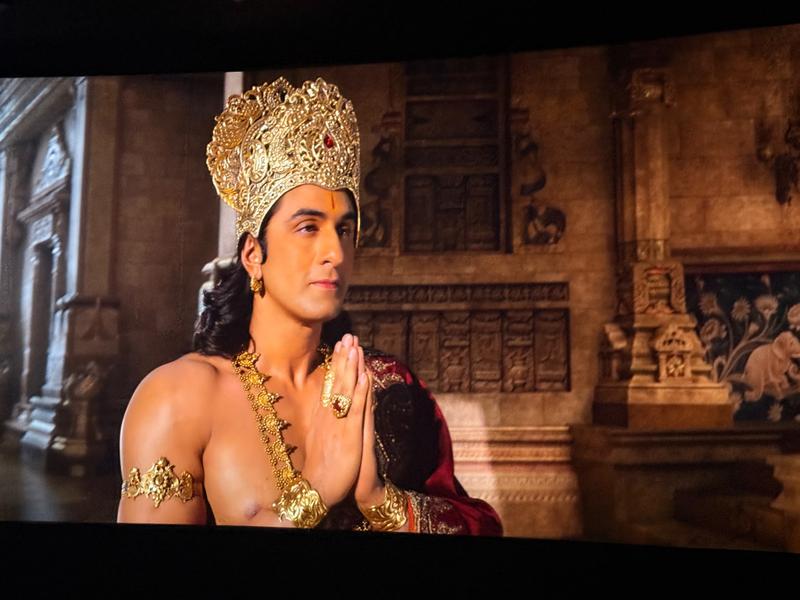
Ranbir Kapoor as Lord Rama: The Power of Restraint
Portraying Lord Rama requires a particular kind of screen presence.
Unlike a conventional action hero, Rama is defined as much by his restraint as by his courage.
His composure, patience and sense of responsibility are essential to understanding the character.
Ranbir Kapoor's portrayal has been praised in the audience impressions available to Webfit News for emphasising these qualities.
The performance is described as calm, dignified and emotionally sincere.
That approach matters because Rama's strength is not always expressed through confrontation.
Sometimes it is visible in his patience. Sometimes in his willingness to accept hardship. At other times, it emerges through his concern for the people around him.
A successful interpretation must communicate that inner strength while remaining emotionally accessible.
The relationship between Rama and Sita is particularly important.
Their connection provides moments of tenderness and humanity within a story otherwise filled with extraordinary events.
For viewers who already know the epic, these moments can evoke familiar emotions. For newcomers, they offer an accessible introduction to the characters at its centre.
Yash as Ravana: Power, Pride and an Intimidating Presence
Ravana is not an ordinary antagonist.
He is remembered as a ruler of immense power, intelligence and knowledge, yet his story is inseparable from the dangers of arrogance and unchecked ambition.
That complexity makes him one of the most compelling figures in the Ramayana.
Yash brings the kind of commanding screen presence that such a character demands.
Audience reactions shared in the review material particularly emphasise his intensity, powerful expressions and formidable personality.
Ravana's dramatic importance comes from the contrast he creates with Rama.
Where Rama represents discipline and moral responsibility, Ravana demonstrates how extraordinary power can become destructive when separated from restraint.
This is not simply a conflict between two powerful individuals.
It is a clash between different understandings of strength, leadership and personal responsibility.
That contrast gives the story much of its dramatic weight.
Sai Pallavi as Sita: Dignity, Courage and Emotional Strength
Sita is central to the Ramayana's emotional meaning.
Her character represents far more than devotion to Rama.
She is associated with resilience, personal conviction, courage and the ability to endure extraordinary hardship without surrendering her dignity.
Sai Pallavi's casting places attention on a character whose strength is expressed differently from the warriors and rulers surrounding her.
The story's emotional power depends heavily on how convincingly Sita's humanity and inner strength are communicated.
The relationship between Rama and Sita provides an essential counterbalance to the film's grand visual presentation.
Their world is described in the shared audience impressions as peaceful, colourful and beautiful.
That atmosphere helps establish the emotional foundation of their relationship.
It also gives greater significance to the challenges and separation that form part of the wider epic.
Two Contrasting Worlds: Rama and Ravana
One of the more interesting aspects of the film's visual storytelling is the contrast between the environments associated with Rama and Ravana.
The world surrounding Rama and Sita is described as serene, colourful and harmonious.
Ravana's world carries a very different atmosphere, filled with intensity, dramatic energy and a sense of unpredictability.
This distinction is important because cinema communicates meaning through more than dialogue.
Lighting, colour, movement and production design can reveal something about a character before a single word is spoken.
The tranquillity associated with Rama reflects his composure.
The dramatic atmosphere surrounding Ravana reinforces his formidable nature.
Together, these contrasting environments help audiences understand the personalities and values at the centre of the story.
It is an effective example of how visual design can support narrative meaning.
Visual Effects: Bringing an Ancient Epic to Modern Audiences
Visual effects are an important part of contemporary fantasy and epic filmmaking.
But technology alone cannot make a film memorable.
Audiences must believe in the world being presented to them.
The strongest visual effects are those that become part of the storytelling rather than drawing constant attention to the technology behind them.
The viewer reactions considered for this review highlight the film's immersive environments and the smooth integration of its visual elements.
From expansive landscapes to dramatic fantasy imagery, the production seeks to give the Ramayana the scale expected of a major cinematic epic.
For audiences in New Zealand, where Hollywood fantasy productions are widely familiar, the visual ambition offers an interesting point of connection.
The Ramayana contains an imaginative world every bit as rich in characters, conflicts and extraordinary events as many internationally recognised fantasy narratives.
What distinguishes it is its cultural foundation.
Its identity comes from Indian traditions, philosophy and storytelling rather than from an attempt to imitate another cinematic franchise.
That distinction deserves recognition.
The Big-Screen Experience in New Zealand
A film built around expansive landscapes, dramatic compositions and powerful sound naturally invites audiences to experience it in a cinema.
For Auckland viewers, however, the recommendation should be straightforward: choose a local cinema and screening format that is actually available.
Premium formats offered in other countries should not be assumed to be available for the same film in New Zealand.
The appeal of the cinema experience is not limited to any one format.
A large screen, theatrical sound and the opportunity to experience the story without everyday distractions can make a substantial difference to how audiences engage with a visually ambitious production.
For families, there is also the shared experience.
Parents can introduce children to characters they grew up hearing about. Friends can discuss their favourite moments afterwards. People unfamiliar with the epic can discover a story that has influenced generations.
That collective experience is one of cinema's enduring strengths.
Music: Giving the Epic Its Emotional Voice
Music has always been an essential part of Indian storytelling.
It helps communicate emotions that words alone cannot fully express.
In a story such as the Ramayana, music carries particular significance.
The narrative moves between love, devotion, courage, grief, sacrifice and moments of enormous dramatic tension.
Each of those emotions requires a different musical sensitivity.
The production's association with A. R. Rahman and Hans Zimmer has generated considerable interest in its musical direction.
The audience impressions examined by Webfit News describe an emotionally powerful soundscape that complements the film's visual ambition.
A strong musical score can transform a dramatic confrontation, deepen a moment of separation or give greater meaning to an act of courage.
At its best, music does not simply accompany the action.
It helps audiences feel what the characters are experiencing.
That emotional connection is particularly important when adapting a story already deeply familiar to many viewers.
Why the Emotional Storytelling Matters Most
Spectacular images may attract attention, but they are rarely enough to sustain a meaningful story.
The Ramayana's lasting appeal comes from its characters and the choices they make.
Rama's willingness to place duty above personal comfort is compelling because sacrifice carries a cost.
Sita's courage matters because she faces extraordinary adversity.
Ravana's story remains powerful because it demonstrates how strength and intelligence do not automatically produce wisdom.
These are deeply human ideas.
One of the audience reactions shared in the source material came from a viewer familiar with the Ramayana through his work as a Hindu temple priest.
Despite knowing the story well, he described being moved by its cinematic presentation.
That response illustrates an important point.
A familiar story can still create a powerful emotional experience when audiences encounter it through a different form of storytelling.
Knowing the outcome does not mean knowing exactly how a particular interpretation will make you feel.
Why Ramayana Matters to Indian Families in Auckland
For Indian families living in New Zealand, cultural traditions often take on additional importance.
Children grow up navigating different influences, languages and identities.
They may learn about Indian mythology through family conversations, festivals, community gatherings or stories shared by their grandparents.
But their everyday entertainment increasingly comes from a global media environment.
That creates both an opportunity and a challenge.
How can a story passed down over centuries remain meaningful to children who are growing up in a very different world?
Cinema can help bridge that gap.
A visually ambitious adaptation of the Ramayana offers families an opportunity to introduce younger viewers to its characters and themes in a format they recognise.
For parents, it may bring back memories of hearing the story during childhood.
For children, it may be their first encounter with Rama, Sita and Ravana.
And for families with different levels of familiarity with the epic, it can become the starting point for conversations about culture, history, faith and personal values.
This is particularly relevant in Auckland, where Indian communities contribute significantly to the city's multicultural identity.
The Ramayana is not simply a story from a distant place.
For many New Zealand families, it remains part of their living cultural heritage.
A Story That Can Connect Beyond the Indian Community
The Ramayana's appeal is not limited to audiences who already know its characters.
Its central themes are universal.
Love, loyalty, courage, responsibility, pride and sacrifice are familiar across cultures.
Someone watching the story for the first time may not understand every cultural reference, but they can still recognise the emotions driving the characters.
That creates an opportunity for the film to reach a broader New Zealand audience.
The visual world may attract viewers who enjoy fantasy and epic cinema.
The performances may introduce them to major Indian actors.
And the story itself may encourage them to explore the Ramayana and its wider cultural significance.
That is one of the most valuable possibilities offered by international cinema.
It allows audiences to discover stories outside their own traditions while recognising the shared human experiences within them.
Webfit News Video Review
Webfit News also explores the film's cinematic ambition, performances, emotional storytelling and cultural significance in its accompanying video review.
WATCH THE WEBFIT NEWS VIDEO REVIEW BELOW
Webfit News Verdict: A Celebration of Storytelling and Cultural Heritage
★★★★☆ | 4/5
Ramayana: Rise of a Legend is a production defined by ambition.
Its expansive visual world, contrasting central characters
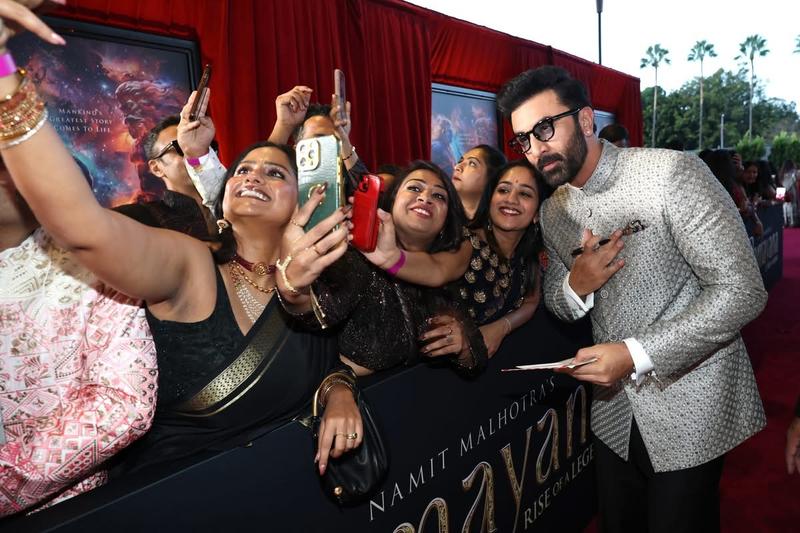
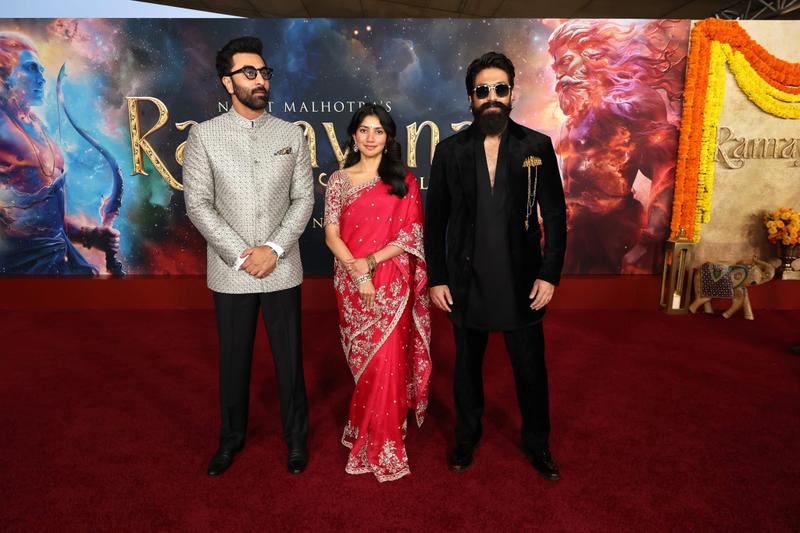
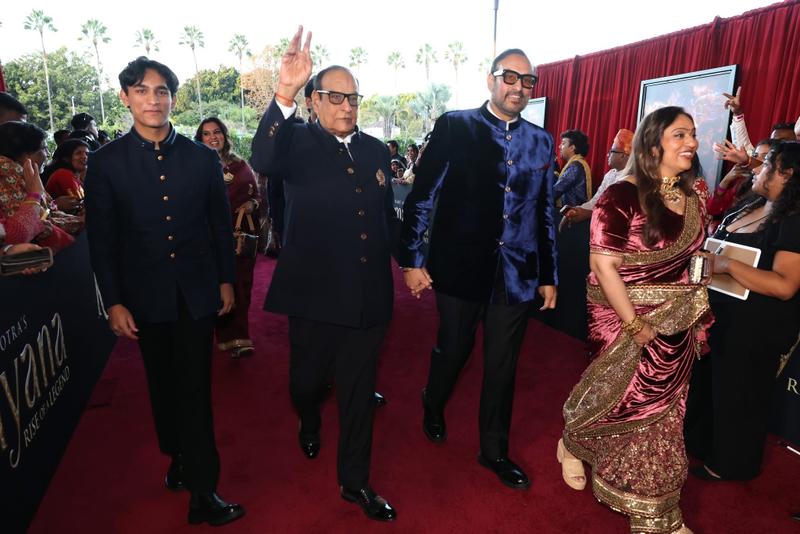
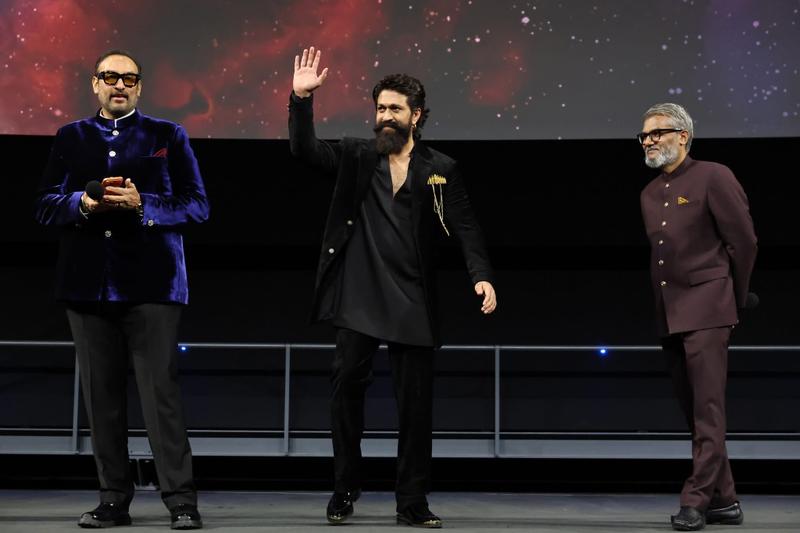
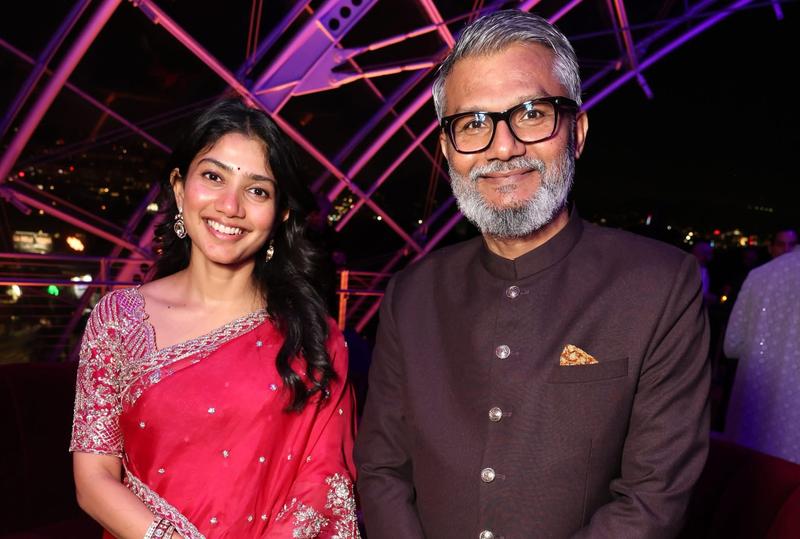
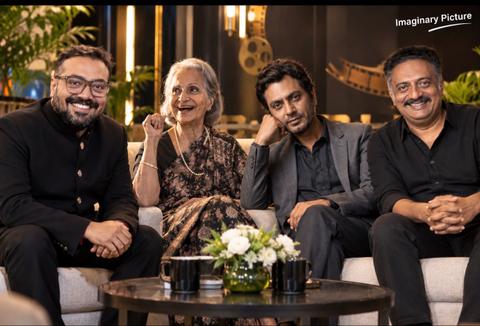
Below are the pictures coming from india where star casts have walked on red carpet during world premier event :-