The Public Service Association (PSA) is warning that proposed cuts to the Department of Internal Affairs team that helps community groups access funding will strip away years of trusted, face-to-face relationships, with rural Māori communities set to bear the brunt of the change.
The restructuring proposal, unveiled to staff today, targets DIA's Community Operations / Hāpai Hapori team, which helps community, iwi and hapū groups navigate Lottery Grants and other funding sources.
What's Actually Being Proposed
The scale of the change is significant. According to the PSA, the proposal would result in a net loss of 28 roles, roughly one in four positions, from a current workforce of 116.
|
Change |
Detail |
|
Total workforce reduction |
28 roles (1 in 4) |
|
Current Community Advisor roles |
70 |
|
Proposed Community Advisor roles |
40 |
|
Local service centres currently |
16 |
|
Proposed regional hubs |
3 (Auckland, Wellington, Christchurch) |
Notably, all 70 existing Community Advisor roles would be formally disestablished, with 40 new roles created in their place, a structural change that effectively means every advisor would need to reapply for a smaller pool of positions.
Why the PSA Says This Matters
PSA National Secretary Fleur Fitzsimons argued the cuts would eliminate something that can't easily be rebuilt once it's gone.
"This is a huge hollowing out of expertise and trust that has been built up in communities right across New Zealand, extending deep into rural areas," Fitzsimons said.
She described the practical, on-the-ground role these advisors currently play.
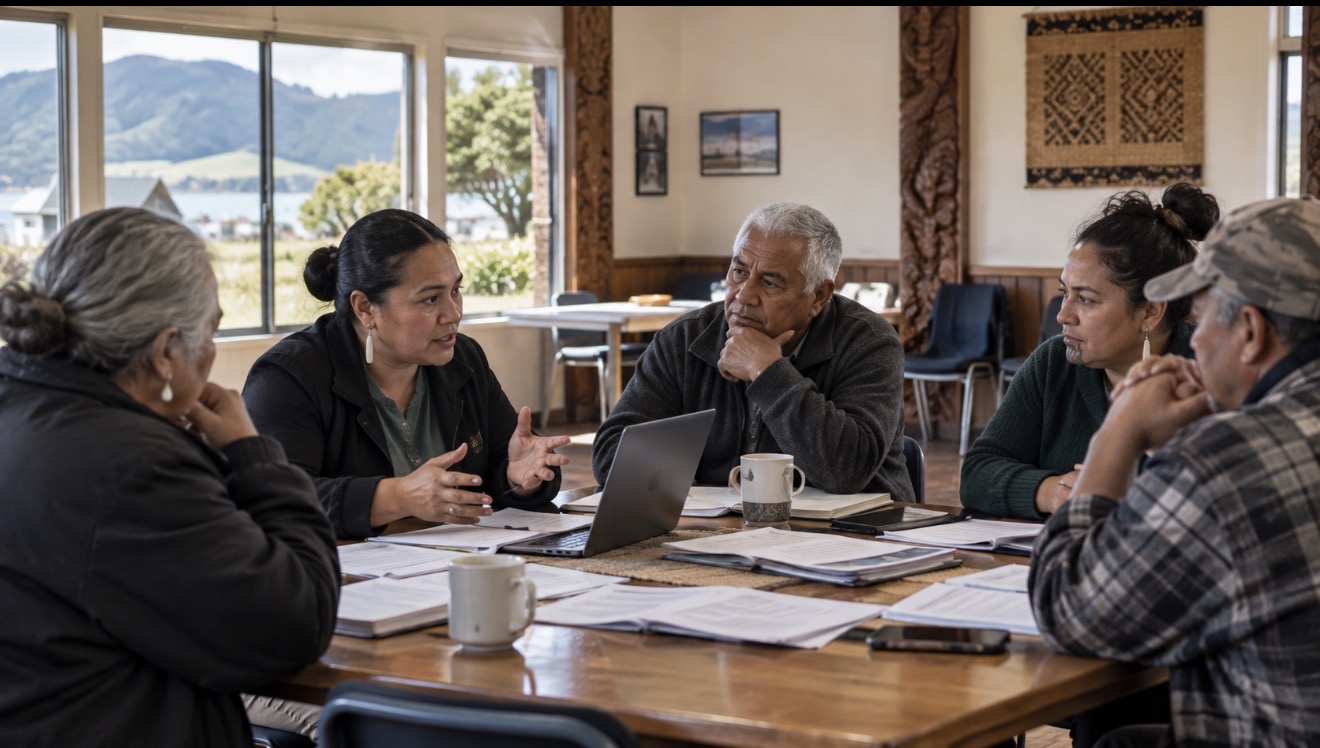
"These are the people who sit down face-to-face with a marae committee, a small rural sports club or a church trust and help them work through the maze of funding they're entitled to access," Fitzsimons said. "That relationship, and the knowledge these advisors carry about their communities, can't be replaced by a phone line or a website."
The Geography of the Cuts
Beyond the raw numbers, the PSA raised specific concern about what consolidating 16 local service centres into just three regional hubs would mean for regional access.
"This means whole regions will be left without a single local advisor," Fitzsimons said, specifically naming Northland, Tairāwhiti and the West Coast as areas that would need to deal with advisors based hours away in a different city.
Fitzsimons argued the practical consequence would be longer waits for funding decisions at precisely the moments communities need support most.
She was particularly direct about who she believes will be most affected.
"Māori communities in remote areas will bear the brunt of this," Fitzsimons said. "These are exactly the communities that rely most on a trusted local advisor who understands their context, not a self-service digital portal."
"This Is About Saving Money, Not Better Services"
The PSA didn't hold back on what it believes is really driving the decision.
"Let's be clear about what's really going on, this is about saving money, not better services," Fitzsimons said. "It's more short-term thinking from the Government that keeps demanding deeper and deeper cuts, and DIA is just the latest department to buckle under that pressure."
The union is calling for a "public good test" that would require government agencies to properly weigh impacts on services, communities and Te Tiriti obligations before proposing changes like this one.
Fitzsimons also pointed to an earlier Government commitment she believes is being broken.
"Remember the Government promised no cuts to the frontline," she said. "There is nothing more frontline than an experienced community advisor travelling into communities to meet face-to-face with groups."
Part of a Broader Pattern at DIA
This proposal doesn't exist in isolation. According to reporting tracked by Scoop, DIA has cut hundreds of jobs since 2023 across multiple divisions, including reductions to its Digital Safety team and National Library and Archives staff, with the department's total workforce reportedly set to be around 15 percent smaller than it was two years ago once recent cuts are finalised.
Timing Becomes a Political Flashpoint
With a General Election approaching, the timing of this specific proposal has become part of the PSA's objection.
"The PSA is calling on DIA to halt these cuts so close to the General Election," Fitzsimons said. "Significant decisions like this should not be made when voters are about to choose the next government."
What Happens Next
Consultation on the proposal closes on 8 October, with final decisions expected to be communicated to affected staff on 21 October, timing that places the decision squarely in the middle of the election period.
The PSA has confirmed it will strongly oppose the plan through the consultation process. DIA has been approached for comment on the proposal.
This article is based on a media release issued by the Public Service Association (PSA).