Hawke's Bay Regional Council will begin major upgrade works on the Brookfields Lower stopbank on Monday 21 September, delivering greater flood protection to the Awatoto area following the devastation of Cyclone Gabrielle.
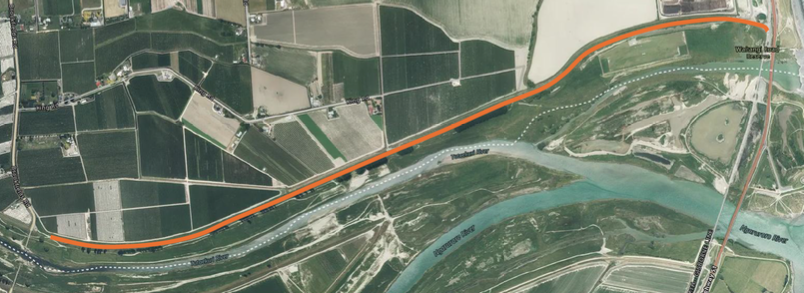
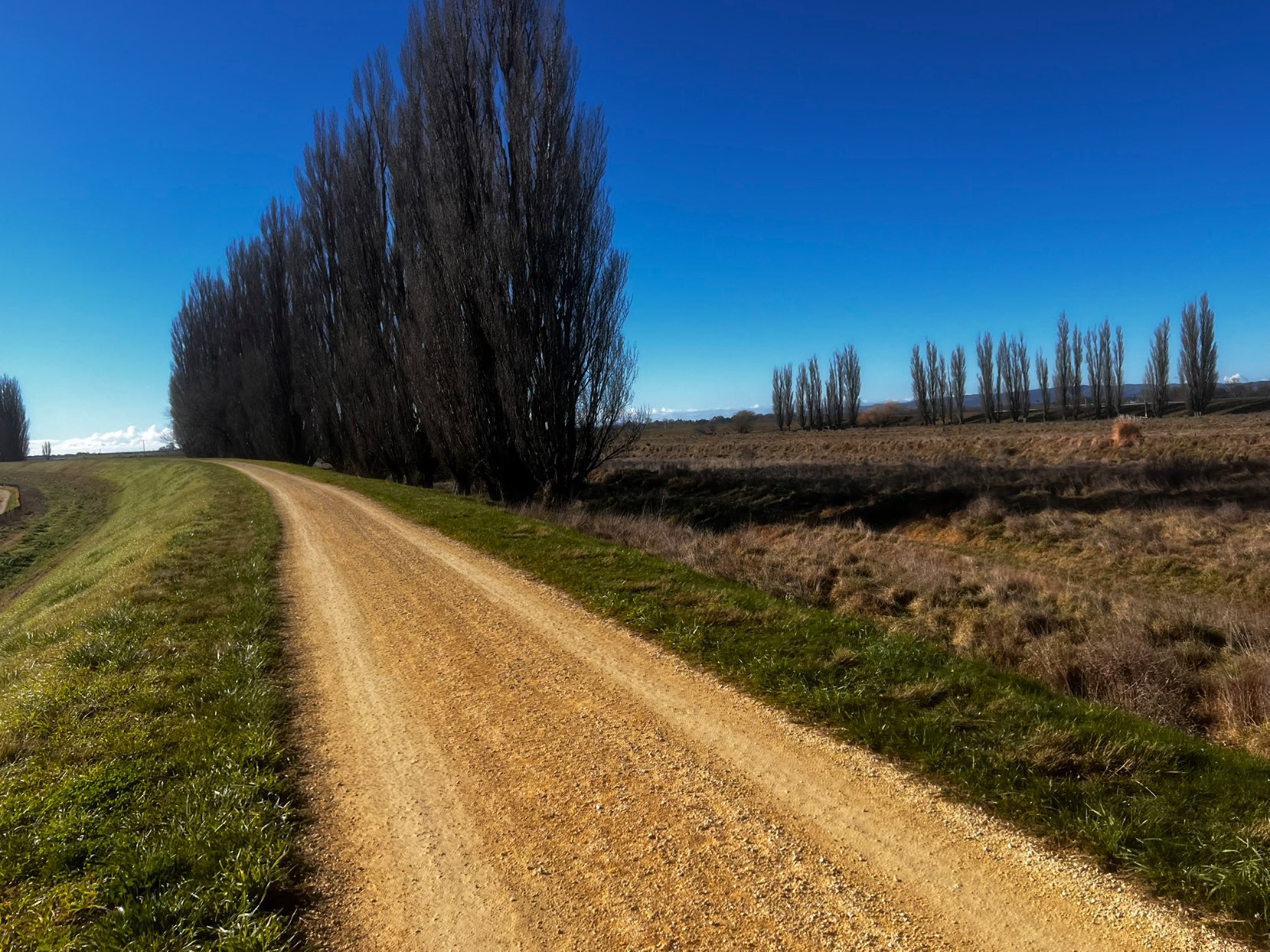
The works will strengthen 3.6 kilometres of stopbank running from Brookfields Bridge to the SH51 railway bridge, along the true-left side of the Tūtaekurī River.
What's Actually Changing
The upgrade itself is fairly substantial in scope. Contractor Goodman Contracting Limited will widen the stopbank by up to 2 metres on the river side and raise it by up to 0.6 metres in some sections.
|
Detail |
Specification |
|
Length being upgraded |
3.6km |
|
Widening (river side) |
Up to 2 metres |
|
Height increase |
Up to 0.6 metres |
|
Expected completion |
April 2027 |
Initial site works will focus on clearing trees, vegetation and fences along the stopbank before the main construction begins.
Why This Matters After Cyclone Gabrielle
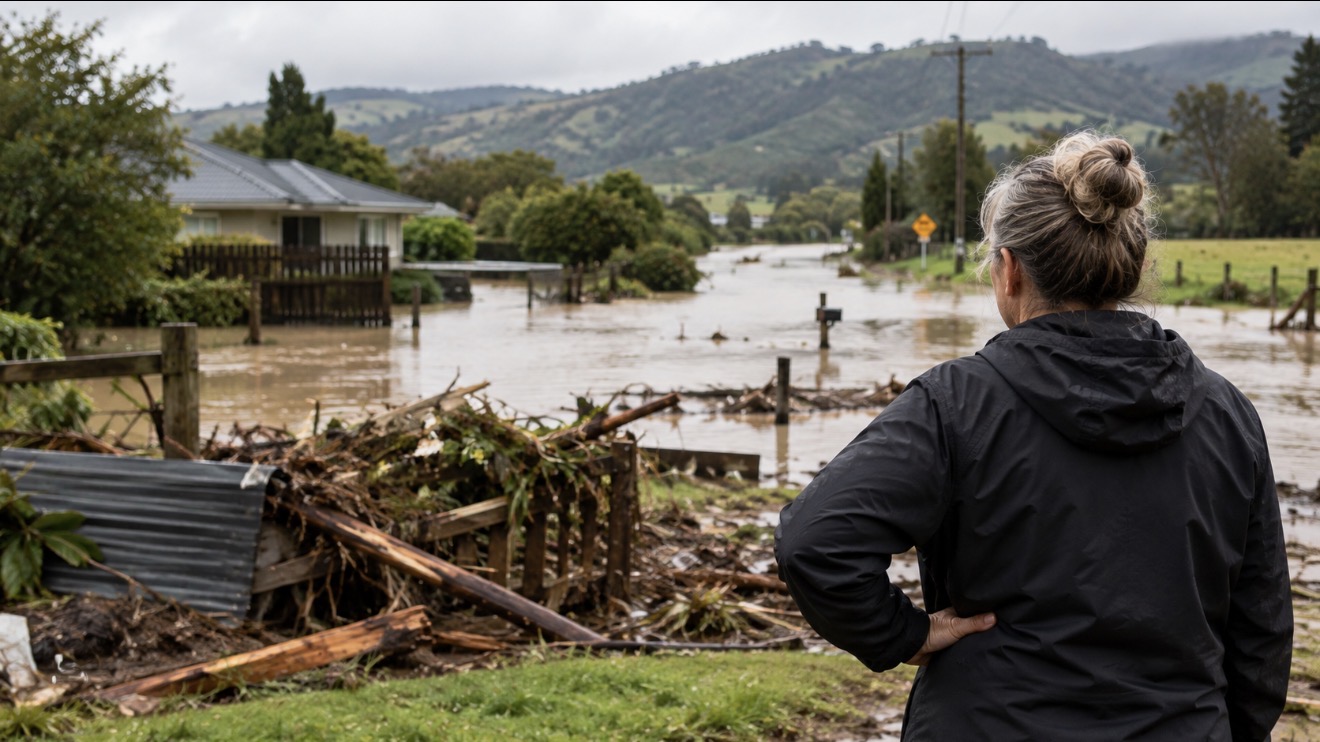
The upgrade carries particular weight for Awatoto residents given what the area experienced during Cyclone Gabrielle, when floodwaters up to 2 metres deep inundated homes and businesses after the existing stopbank overtopped and breached.
Councillor Neil Kirton was direct about both the value and the limits of this investment.
"This is a significant investment in the safety of Awatoto homes and businesses," Kirton said. "Cyclone Gabrielle showed us just how vulnerable this area can be, and while no stopbank can stop an event of that scale, this work will have a genuine impact in more common flood events."
Understanding What Level of Protection This Actually Provides
It's worth being precise about what this upgrade will and won't protect against, since the numbers involved illustrate an important distinction.
The upgraded stopbank is designed to mitigate floods with a 1 percent chance of occurring in any given year, known as a 1% Annual Exceedance Probability (AEP) event.
By comparison, a Cyclone Gabrielle-level event on the Tūtaekurī River has a 0.25 percent chance of occurring in any given year, equivalent to roughly a 1-in-400-year event.
In plain terms: this upgrade significantly improves protection against the kind of flooding that happens relatively regularly, but a storm on the scale of Gabrielle would still overwhelm the improved defences. That's not a shortcoming of this specific project, it reflects the reality that protecting against truly extreme, rare events requires infrastructure investment on an entirely different scale.
Cycle Trail Closure During Construction
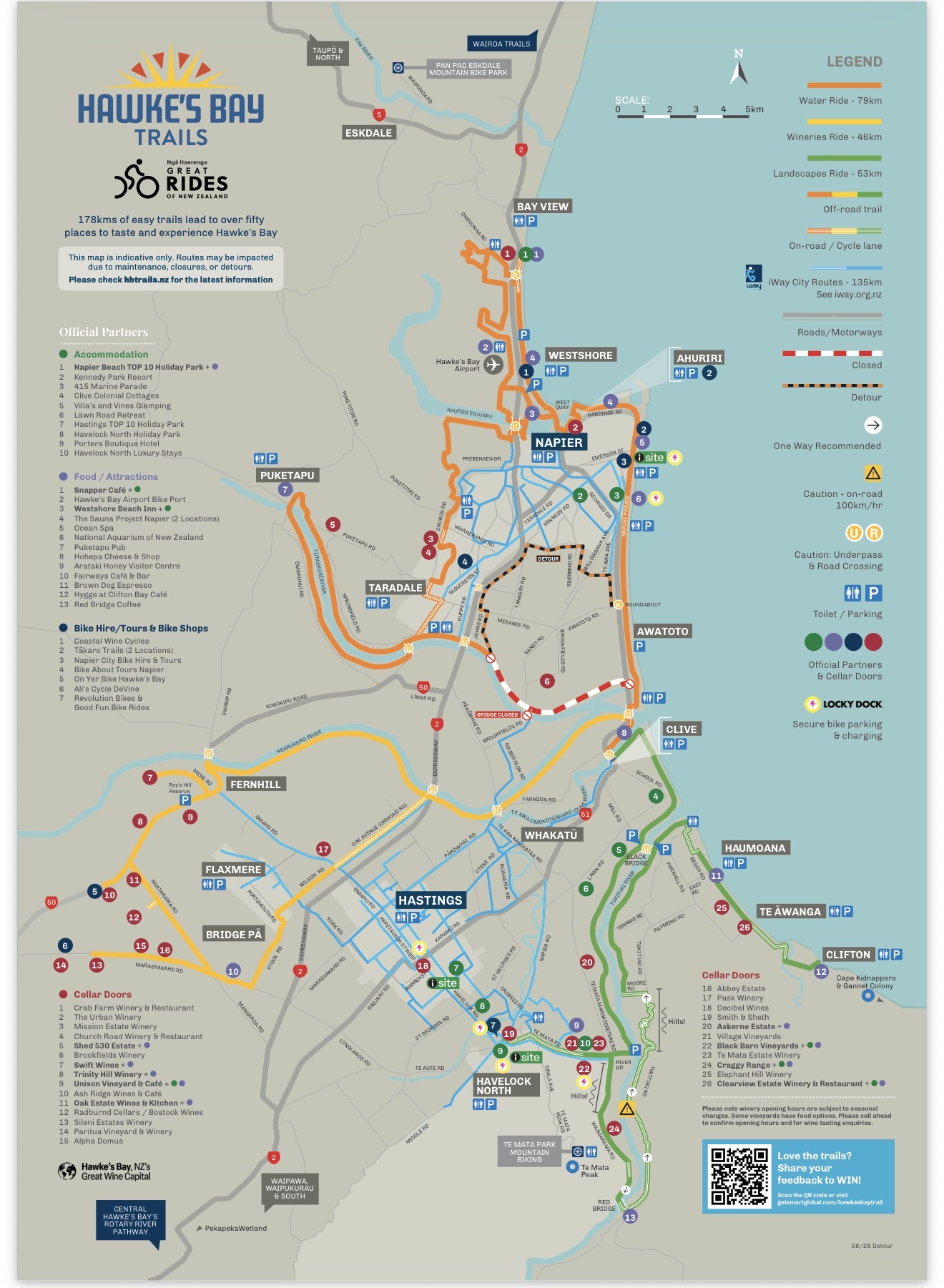
For those who use the area recreationally, one practical disruption is worth noting. The cycle trail between Awatoto and Johns Road, Meeanee, will be closed for the duration of construction.
A detour will be in place via the iWay route, running from Johns Road through Te Awa.
Kirton acknowledged the inconvenience this creates.
"We know changes like this can be disruptive, especially with the cycle trail detour, but we're grateful for the community's patience while we carry out this important flood resilience work," he said.
Part of a Much Larger Flood Resilience Push
This project isn't happening in isolation. It sits within Hawke's Bay Regional Council's wider $256.5 million flood resilience programme, which covers a broad range of infrastructure work including:
- Stopbank upgrades across the region
- Telemetry site improvements
- Pump station upgrades
- New flood infrastructure
- Reviews of existing flood schemes
How It's Being Funded
The funding structure behind this work reflects its connection to post-cyclone recovery efforts. National Infrastructure Funding and Financing (NIFF), operating under the Government's Cyclone Recovery Programme, is covering an estimated 75 percent of the total project cost, with the remaining funding coming from Regional Council.
More Than Just a Stopbank
Alongside the stopbank works, Regional Council is also carrying out site establishment works to upgrade the Awatoto drainage pump station, previously known as the Mission pump station, adding an additional layer of drainage resilience to the area beyond the stopbank itself.
Why This Work Matters for Awatoto
For a community that experienced firsthand what happens when flood infrastructure fails during an extreme event, this upgrade represents tangible progress toward reducing risk for the more frequent flooding scenarios the area is statistically far more likely to face. While it won't eliminate the risk of another Gabrielle-scale disaster, strengthening defences against the kind of flooding that occurs roughly once every hundred years offers real, practical protection for homes and businesses in the years ahead, backed by significant government investment tied directly to the region's broader cyclone recovery effort.
This article is based on a media release issued by Hawke's Bay Regional Council.