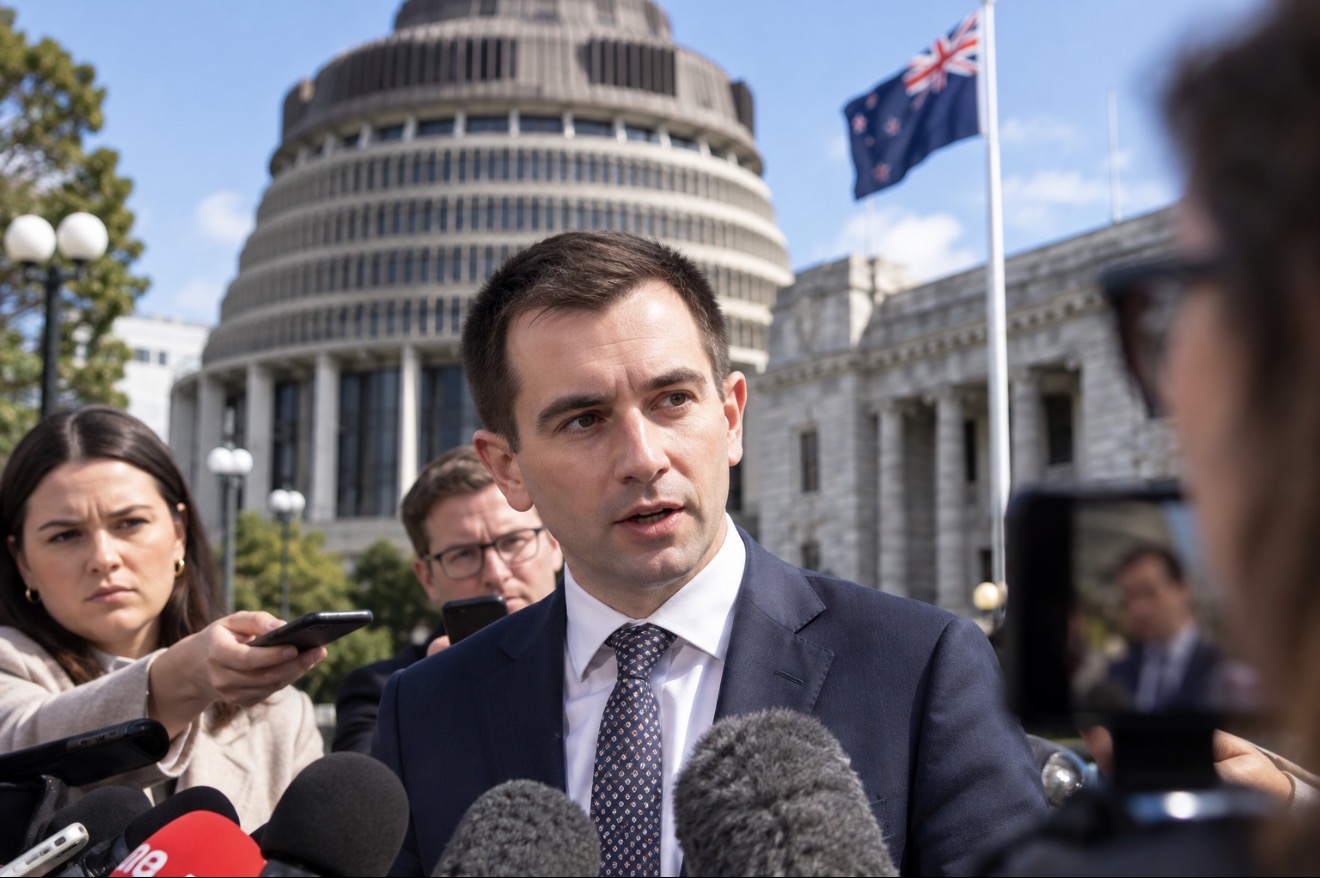
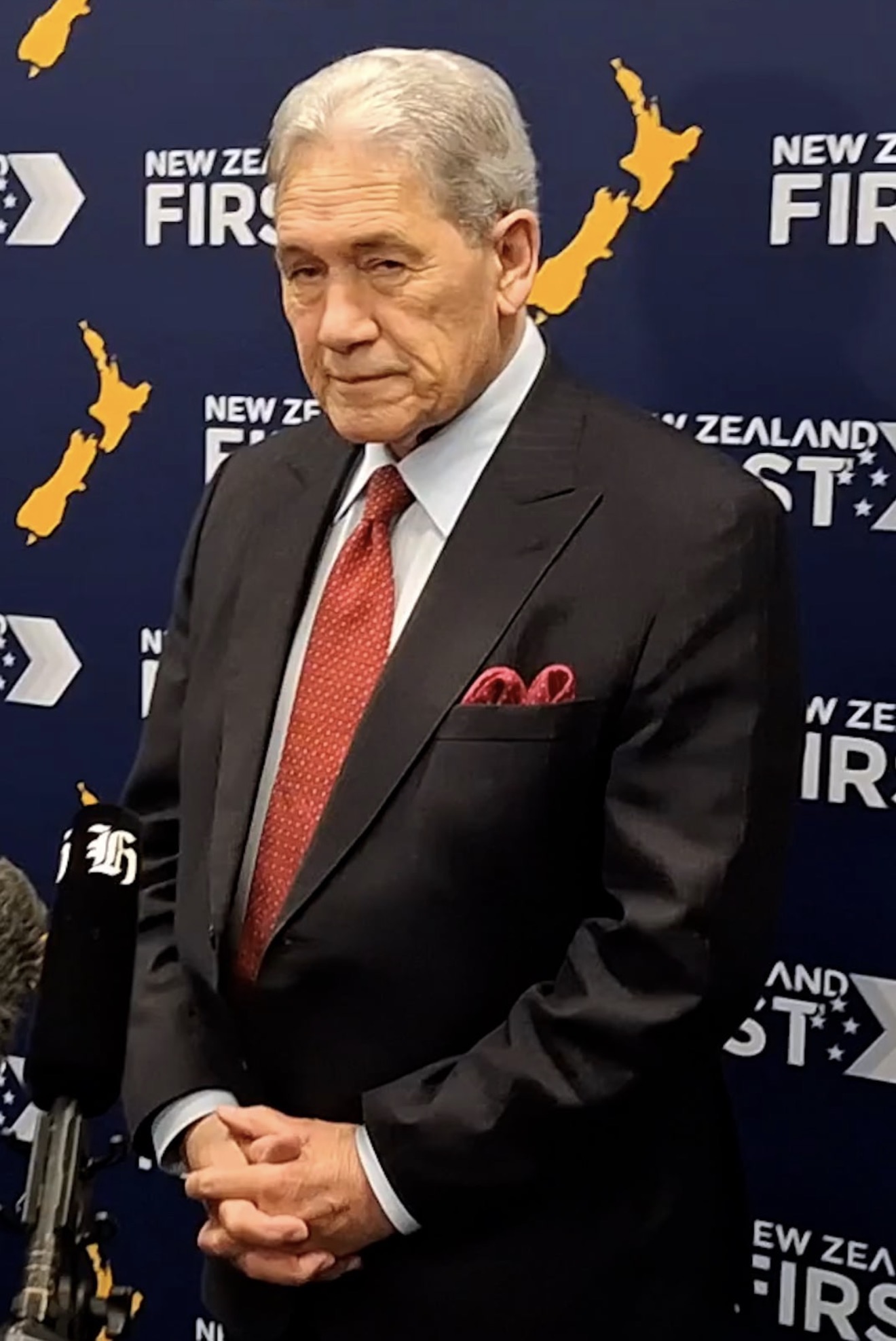
New Zealand First has put one of the most significant welfare policy changes of the election campaign on the table: from 2029, only New Zealand citizens would be eligible to receive NZ Superannuation.
Party leader Winston Peters announced the policy at a public meeting in Hamilton, framing it as a matter of fairness rather than an attack on migrants specifically.
What the Policy Actually Changes
Right now, you do not need to be a citizen to receive NZ Super. The current rules require:
- Being aged 65 or older
- Living in New Zealand or certain associated territories
- Holding citizenship, permanent residency, or a residence-class visa
- Meeting minimum residency years after age 20, including at least five years after turning 50
Under NZ First's proposal, that third requirement would tighten significantly. From 2029, only citizenship would qualify someone for Super, permanent residency and residence-class visas would no longer be enough. The party has proposed a three-year grace period before the change takes effect.
In Peters' Own Words
Peters argued the scheme was never designed for today's migration levels.
"Our taxpayers should no longer continue to be used as a bottomless pit," he said, referring to the cost of Super for some migrants.
He also framed the change as being about identity as much as economics, telling the Hamilton meeting the policy was about restoring "value" to citizenship itself.
Peters pointed to New Zealand's migration numbers to make his case: over the past 20 years, the country has recorded roughly 650,000 in net migration, averaging more than 30,000 people annually.
The Case Peters and NZ First Are Making
Supporters of the policy point to a specific fairness argument, laid out plainly by Peters himself. He contrasted two groups:
|
Group |
Peters' Description |
|
Long-term Kiwis |
Left school young, worked two or three jobs for 40 to 50 years, paid tax through the highest tax periods in NZ history |
|
Some migrants |
May receive the full Super rate despite living and paying tax in NZ for less than half that time |
Under this framing, the tax burden of funding a full pension for someone with a shorter tax-paying history in New Zealand falls unfairly on those who worked and paid tax here their entire lives.
Notably, NZ First is not proposing to change the pension age of 65, nor introducing a contributory model where payments scale with how many years someone worked and paid tax. Citizenship, not tax history, would become the deciding line.
The Case Against It
Critics, including political commentators and some other parties, have raised a different framing: does citizenship status, a legal and often lengthy process, actually reflect someone's real contribution to the country better than years spent living, working and paying tax here does?
Long-term residents who have lived and worked in New Zealand for decades while retaining a foreign passport would be directly affected, regardless of how much tax they have paid into the system over that time. For some, becoming a citizen is not simply a formality, it can involve giving up citizenship elsewhere, family, or legal complications tied to their country of origin.
There is also a practical question raised by journalists covering the announcement: what happens to someone who loses Super eligibility under this policy but is already 65 or older and no longer working? Peters has said welfare eligibility more broadly, including jobseeker support, would likely require citizenship too, but has said further detail on that will come "next time," rather than at this announcement.
Why This Matters for the Election
This policy lands in the middle of a broader campaign theme New Zealand First has built around national identity and citizenship, the party is also campaigning on restricting voting rights to citizens only.
It also taps into a genuine, long-running debate in New Zealand about the affordability of NZ Super as the population ages. Peters has previously used sharp language on this point, having described the growing cost of Super for migrants as a "ticking time bomb" in earlier campaign comments.
What Happens Next
As with any campaign promise, its future depends entirely on the outcome of the November election and any coalition negotiations that follow. NZ First would need either an outright mandate or the negotiating position to make this a condition of forming government.
For now, the policy has succeeded in doing what election announcements are designed to do, it has put both immigration and the future cost of NZ Super squarely into the public conversation ahead of polling day.
This article draws on reporting from 1News, RNZ, NZ Herald, Stuff and Waatea News.