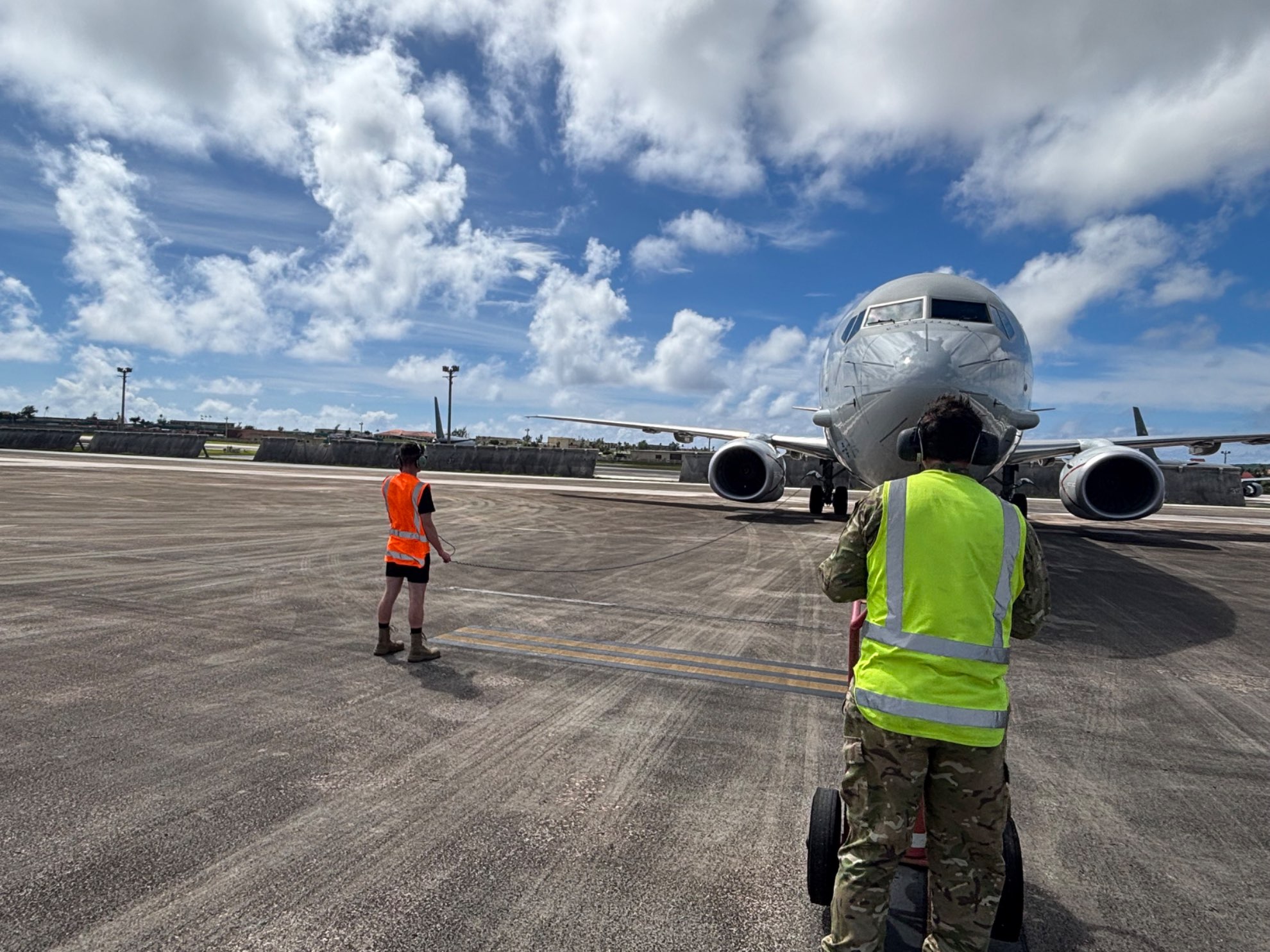
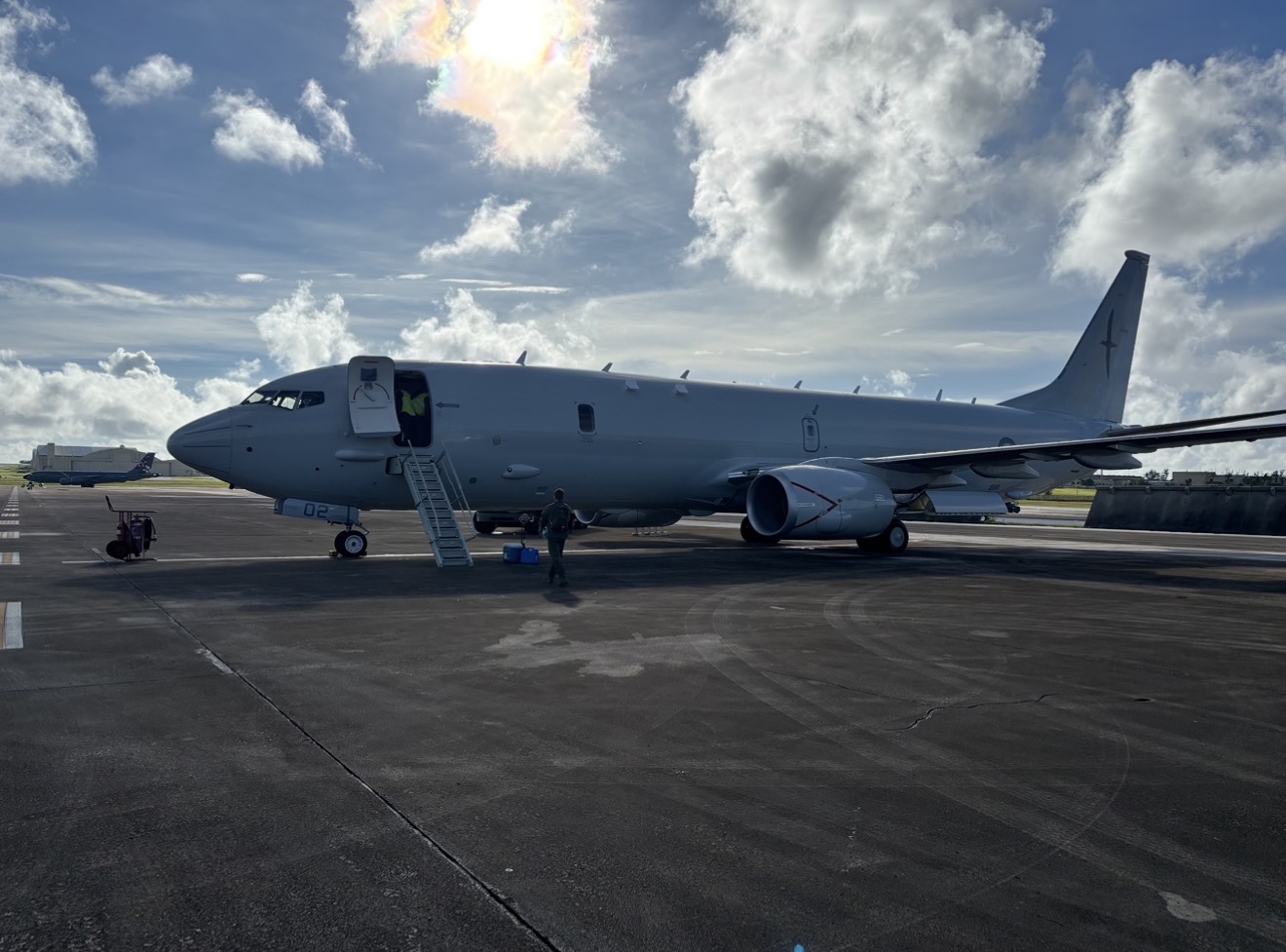
A Royal New Zealand Air Force P-8A Poseidon aircraft and around 35 personnel are taking part in a major multinational maritime warfare exercise near Guam, working alongside forces from Australia, Canada, the United States, Japan and South Korea.
Guam, 9 September 2026: The Royal New Zealand Air Force is participating in Exercise Pacific Vanguard, an eight-day multinational military exercise designed to strengthen maritime warfare skills and improve cooperation between partner nations.
The RNZAF contribution includes a P-8A Poseidon aircraft from No. 5 Squadron and about 35 personnel.
The New Zealand contingent includes aircrew, communications operators, aircraft maintainers, intelligence specialists and exercise control personnel.
They are training alongside around 2,500 personnel from Australia, Canada and the United States, with Japan and South Korea leading the exercise.
Focus on maritime warfare
Most of the assets involved in Pacific Vanguard are ships and submarines, but the RNZAF P-8A Poseidon is operating alongside a United States Navy P-8A aircraft.
The exercise is divided into several phases involving maritime warfare operations.
These include scenarios focused on both surface and sub-surface threats.
Detachment Commander Wing Commander Mark Chadwick said the exercise will become progressively more demanding as it moves toward its final warfare phase.
“Towards the end of the exercise will be the execution of the warfare phase that involves a scenario that will run for about 36 hours,” he said.
The long-duration scenario will test the ability of participating forces to operate together in a complex maritime environment.
Working with multiple nations
A major focus of the exercise is interoperability.
For the RNZAF, that means making sure New Zealand aircrew can communicate clearly and operate safely alongside military forces from several different countries.
Wing Commander Chadwick said multinational operations require a high level of coordination.
“We will need to ensure clear communication and understanding is established to provide coherent and safe coordination among the different participating nations,” he said.
He said the ability to work seamlessly with partner nations needs to be built through regular engagement and exercises.
“Achieving coherence across multinational operations doesn't happen by chance. It requires consistent engagement with our partners.”
He added that understanding how other militaries operate is important if those nations ever need to work together during a real conflict.
Guam heat and humidity add another challenge
The exercise is taking place as Guam enters its wet season, bringing hot and humid conditions along with frequent rainfall.
Those conditions are creating additional challenges, particularly for aircraft maintenance crews working outside.
Wing Commander Chadwick said heat stress is a key concern.
“We’re getting daily rainfall and that, combined with the heat, is a challenge for the maintenance team who work outside,” he said.
“It’s important we ensure they don’t get into any heat-stress situations.”
Managing those environmental conditions is part of operating effectively in the Western Pacific.
Why the P-8A Poseidon matters
The P-8A Poseidon is the RNZAF’s modern maritime patrol and surveillance aircraft.
In exercises such as Pacific Vanguard, the aircraft is used to support maritime operations and help crews practise working with ships, submarines and other aircraft.
The RNZAF’s participation allows No. 5 Squadron personnel to build experience operating in a large multinational environment while also testing procedures used by partner nations.
Exercise finishes on 10 September
Pacific Vanguard is due to conclude on 10 September 2026.
By the end of the exercise, the RNZAF crew will have completed several days of combined training focused on maritime operations, communication, coordination and operating in challenging environmental conditions.
For New Zealand, the exercise provides another opportunity to strengthen defence relationships and ensure its aircrew can operate effectively alongside major regional partners.
Source: New Zealand Defence Force release dated 9 September 2026.