New Zealand's electricity system leaned harder on renewable power than ever before in a June quarter, according to the latest Energy Quarterly data released by the Ministry of Business, Innovation and Employment.
Renewable sources generated 92 percent of the country's electricity in the June 2026 quarter, the highest share ever recorded for that time of year, and the third quarter in a row where renewables have crossed the 90 percent mark.
What Is Driving the Numbers
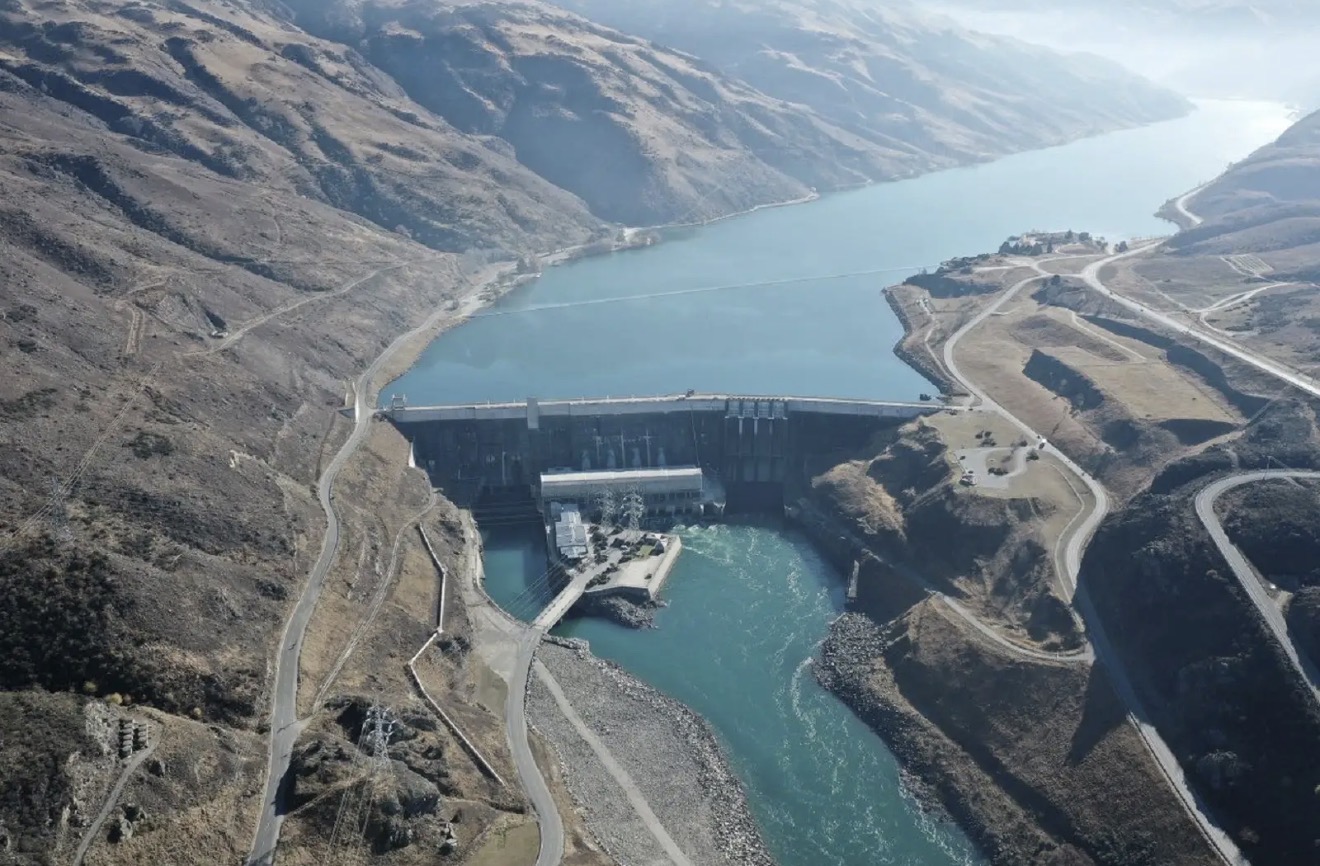
MBIE Domains Manager Amapola Generosa said strong hydro inflows combined with ongoing growth in renewable generation capacity were behind the result.
"Strong renewable generation helped meet increasing electricity demand while significantly reducing the need for coal and gas generation," Generosa said.
Here is how the key renewable sources performed compared to the same quarter last year:
|
Source |
Change vs June 2025 |
|
Overall electricity generation |
Up 1.9% |
|
Renewable generation |
Up 11.4% |
|
Hydro generation |
Up 14.7% |
|
Geothermal generation |
Record high of 2,621 GWh |
|
Solar generation |
Highest-ever June quarter |
Hydro's strong showing in particular gave the system enough headroom to scale back its reliance on fossil fuels significantly.
Coal and Gas Use Drops to Historic Lows
The flip side of the renewable surge was a steep decline in fossil fuel generation.
- Gas-fired generation fell to its lowest June-quarter level since 1981
- Coal-fired generation dropped to its lowest June-quarter level since 1996
That is a stretch of roughly four and five decades respectively, underlining just how unusual this quarter's generation mix was by historical standards.
Good News for Wholesale Prices, Mixed News for Households
The surge in cheap renewable generation flowed through to wholesale electricity markets in a big way.
Wholesale electricity prices fell 66 percent compared with the same quarter last year, a substantial drop driven largely by the abundance of low-cost hydro, geothermal and solar power available on the grid.
However, that saving did not fully reach household power bills. Generosa explained why:
"Residential electricity costs nevertheless increased 10 per cent, primarily due to higher network charges supporting investment in electricity infrastructure."
In short, cheaper generation costs were offset by rising charges tied to maintaining and upgrading the poles, wires and infrastructure that get electricity to homes.
Gas Sector Continues to Shrink
Away from electricity generation, New Zealand's broader gas sector kept contracting through the quarter.
- Gas production fell 19.5 percent
- Total gas demand fell 20.4 percent
Both figures are measured against the June 2025 quarter, continuing a trend of declining gas production and consumption across the country.
Middle East Conflict Pushes Up Fuel Costs
While the electricity story was largely positive, the report paints a very different picture for fuel prices, where global instability left a clear mark on what New Zealanders paid at the pump.
Fuel imports themselves stayed relatively stable, rising 3.2 percent year on year. Notably, the quarter also included the first ever import into New Zealand's strategic diesel reserve, a step aimed at strengthening the country's fuel security.
But the cost of bringing that fuel into the country rose sharply due to international supply disruptions linked to the ongoing Middle East conflict:
- Petrol prices rose about 22 to 23 percent over the year
- Diesel prices rose 69 percent over the year
Despite that jump, petrol prices remained slightly below the peaks reached during the 2022 global energy crisis. Diesel was not so fortunate. Prices this quarter came in higher than those recorded in June 2022, at the height of that earlier crisis.
The Bigger Picture
Taken together, the quarter tells two very different energy stories happening at once. On the electricity side, New Zealand is leaning further into renewables than ever before, cutting fossil fuel use to levels not seen in decades and driving wholesale prices sharply lower. On the fuel side, the country remains exposed to global instability, with international conflict translating directly into higher costs for drivers and businesses that rely on petrol and diesel.
For households, the result is a mixed bag. Cheaper wholesale electricity has not yet translated into cheaper power bills, largely due to necessary investment in ageing network infrastructure, while at the same time, fuel costs have climbed sharply due to forces well outside New Zealand's control.
Full data, graphs and the complete Energy Quarterly report are available on the MBIE website.
This article is based on a press release issued by the Ministry of Business, Innovation and Employment.