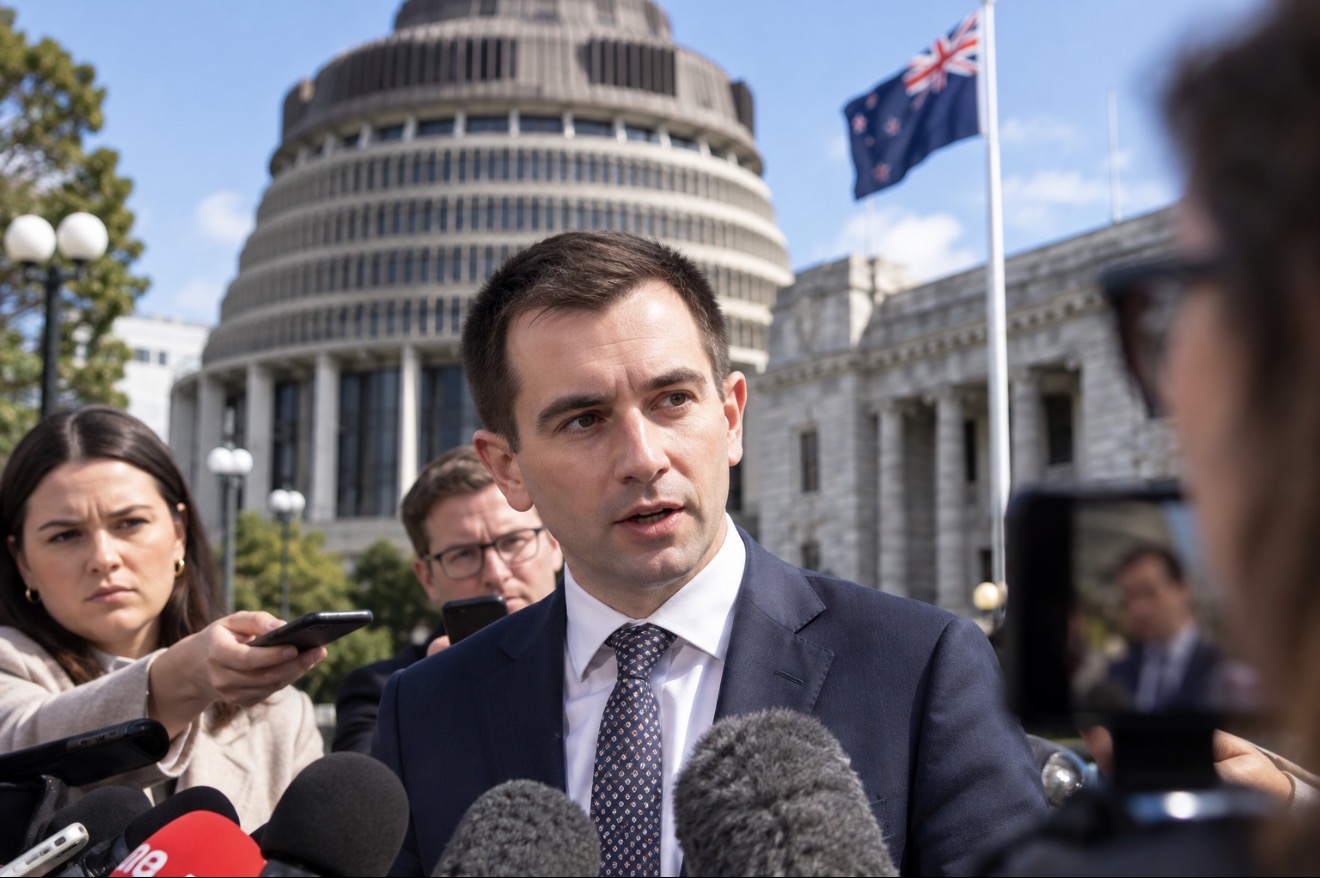
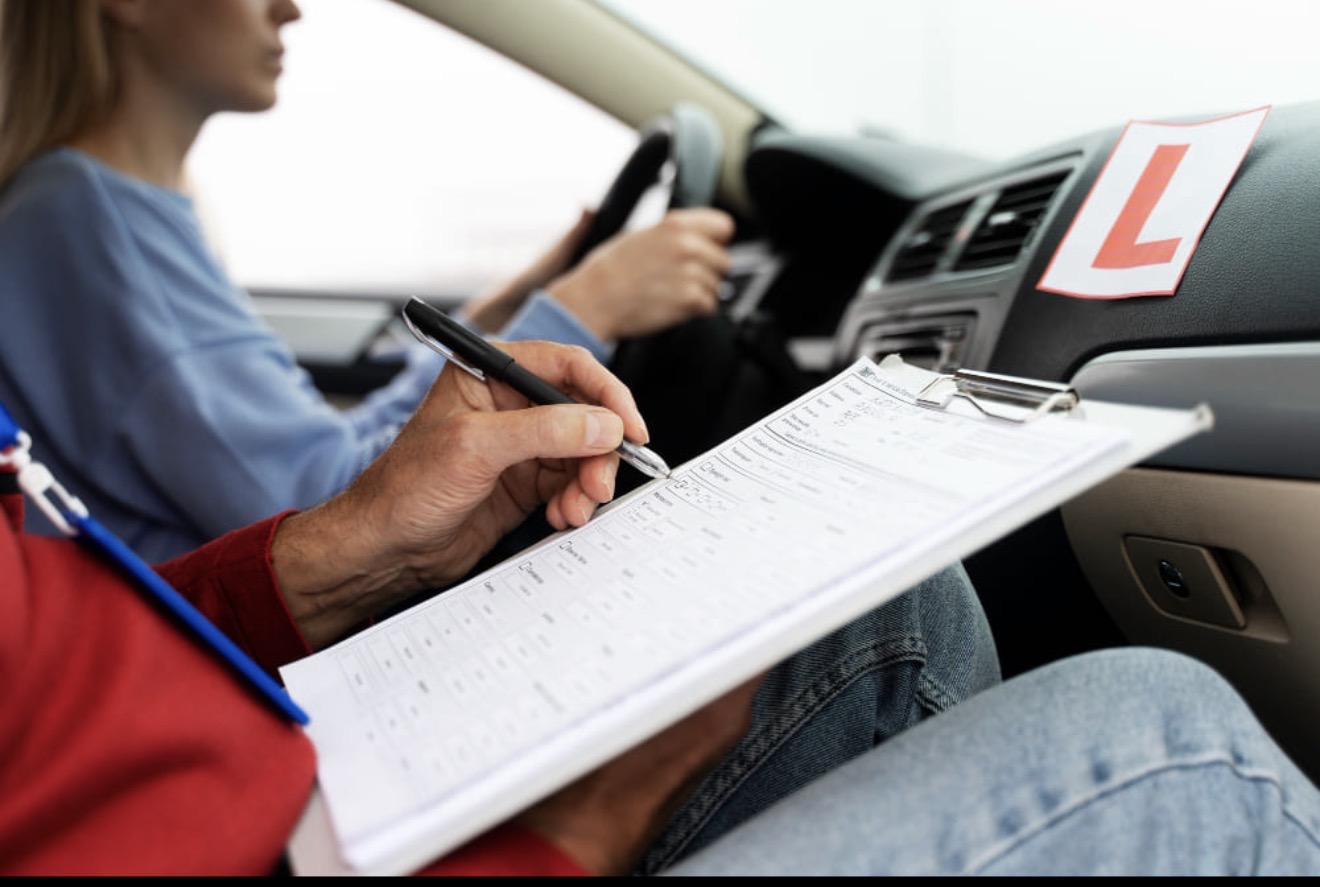
The New Zealand Transport Agency is investigating allegations of bribery, corruption and fraud spreading across the country's driver licensing system, according to information obtained through the Official Information Act.
The probe comes at a time when the agency is also weighing up whether to introduce body cameras for driver testing officers, a move that signals just how seriously the matter is being treated behind closed doors.
What Triggered the Investigation
It started with numbers that did not add up.
Last year, NZTA noticed that test results from a group of driver testing officers were sitting well outside expected norms. That discovery led to a formal investigation beginning in October 2025.
By July this year, the fallout had become public. A total of 23 testing officers were suspended or stood down from conducting practical driver licence tests. Seven more, who were not actively testing at the time, were also stood down as a precaution.
NZTA director of land transport Mike Hargreaves confirmed that this review of abnormal test results is running alongside a separate and broader look into potential fraud, bribery and corruption within the driver licensing system as a whole.
Inside the Numbers: VTNZ Highbrook
One of the clearest examples of the scale of the problem comes from VTNZ's Highbrook branch in Auckland.
In February last year, an internal intelligence assessment raised red flags about possible bribery at the site. VTNZ, working alongside NZTA, investigated further. Five driver testing officers were dismissed as a result, and practical testing at that branch was shut down entirely.
The numbers from the retesting process that followed tell their own story:
|
Metric |
Result |
|
Drivers required to retest |
631 |
|
Drivers who actually sat the retest |
497 |
|
Pass rate at Highbrook |
59.8% |
|
National average pass rate |
83.4% |
That gap of nearly 24 percentage points is significant. As the briefing to Transport Minister Chris Bishop put it, the low pass rate was "indicative of an elevated safety risk," meaning a number of people may have been driving on New Zealand roads with licences they should not have received in the first place.
A Nationwide Problem, Not an Isolated Case
The Highbrook case was not a one-off. Around 650 drivers nationwide have now been told they need to retake their tests as part of the wider clean-up.
The next stage of the investigation has been given its own name: Operation Kea. It officially began on 30 June and is expected to run through the rest of the year.
NZTA has warned this will come with real, practical consequences for people trying to book a driving test. According to the briefing:
- Testing capacity is expected to shrink in some areas
- Short notice rescheduling of booked tests may occur
- The heaviest impact is expected in Auckland
- Heavy vehicle licence testing is likely to be hit hardest
To soften the blow, NZTA says it is coordinating measures such as reserved bookings with VTNZ while the retesting programme rolls out.
How Officers Were Flagged
So how exactly does NZTA spot a testing officer worth investigating? The OIA documents reveal a set of specific red flags used in risk assessments, including:
- Unusually short test times or gaps between tests
- Pass rates that deviate sharply from national or regional averages
- Tests logged as completed well before the scheduled time
That last point stood out. One passage in the documents states that tests recorded as finished more than an hour before the booked time are "considered highly unlikely to reflect normal practice" and may point to a test that was never properly carried out at all.
NZTA's Response
Hargreaves was keen to stress that the findings do not mean the whole system is broken.
"It is important to note that the investigations showed the vast majority of driving tests have been undertaken properly," he said.
He described the agency's actions as part of standard regulatory practice rather than a sign of a system in crisis.
"The action we have taken relates to specific driver testing officers who may not have conducted tests properly. Monitoring for, identifying and then acting on these sorts of issues is part of our core business as a regulator, and when we identify concerns, we will act."
NZTA has already set up an internal fraud taskforce, established in June last year, which is now running active investigations into testing fraud, compliance reviews of course providers, and audits of overseas licence conversions. Officials say fraud attempts have risen sharply both in New Zealand and globally in recent years, driven by financial pressure, disruption following the Covid pandemic, workforce changes and greater access to technology.
Additional safeguards are also in the works, including fraud and integrity training for agency staff and the possible rollout of body cameras for testing officers, though a timeline for that will depend on how Operation Kea unfolds.
Minister Weighs In
Transport Minister Chris Bishop confirmed he has been briefed on the situation but was careful not to say too much publicly given the investigation is ongoing.
"As this is an ongoing investigation, it would be inappropriate for me to comment further," he said. "However, I am pleased the matter is being taken seriously and is being thoroughly investigated."
For now, NZTA says drivers across the country, particularly in Auckland and those holding heavy vehicle licences, should expect some disruption to testing over the second half of 2026 as the agency works through its retesting and rectification programme.
This article was first reported by RNZ and has been republished with attribution by Webfitnews.